SAEDNEWS: In this article, you will learn about methods for removing scratches from phone glass and discover home tricks for fixing scratches on mobile phones.
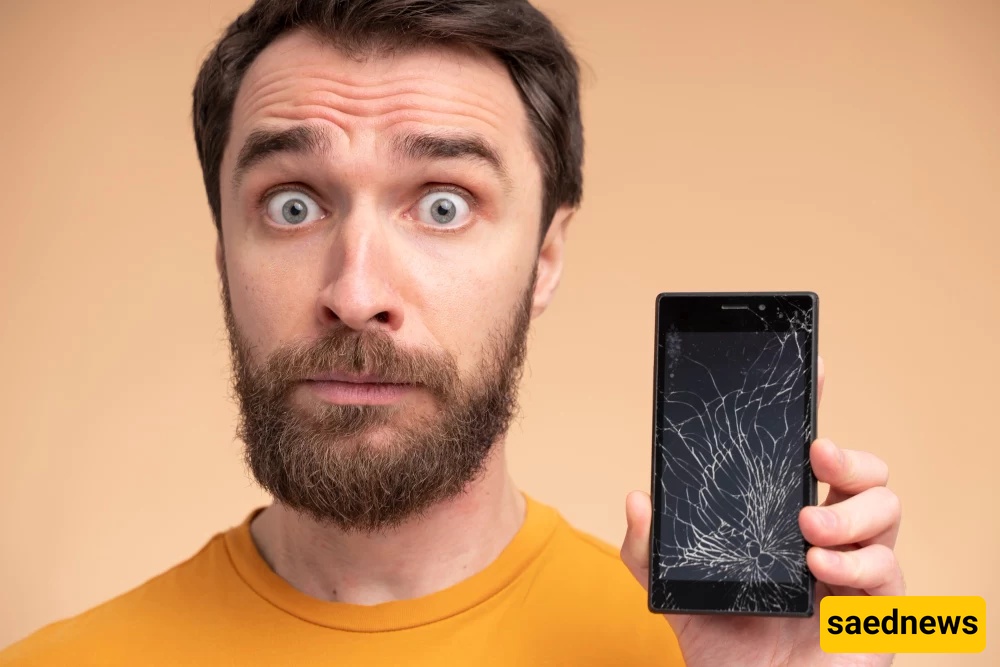
According to Saednews, Nothing is more annoying than seeing small or deep scratches on the glossy, high-quality screen of your smartphone. Many users think the only solution is to completely replace the screen protector, but in reality, you can repair many of these damages using simple household tools. In this article, we review methods that help you restore your phone’s glass to a like-new condition without spending much money.
Toothpaste, due to its very fine abrasive particles, works like a polishing agent. Apply a small amount of non-gel toothpaste onto a microfiber cloth and gently rub it over the scratched area in circular motions. This helps smooth out uneven edges of the scratch and makes fine lines less visible or disappear.
Baking soda is a gentle yet effective abrasive for glass surfaces. Mix two parts baking soda with one part water to create a thick paste. This mixture is stronger than toothpaste and may help reduce deeper scratches. Be careful not to let it enter the phone’s ports.
If you prefer a milder method, baby powder can be a good alternative. When mixed with water, it forms a paste that can help reduce dullness and remove very light scratches caused by contact with keys or coins.
For very superficial scratches, a drop of vegetable oil may help. The oil fills microscopic gaps and changes the way light refracts, making scratches temporarily less visible. However, this is not a permanent solution and is mainly useful for improving appearance temporarily.
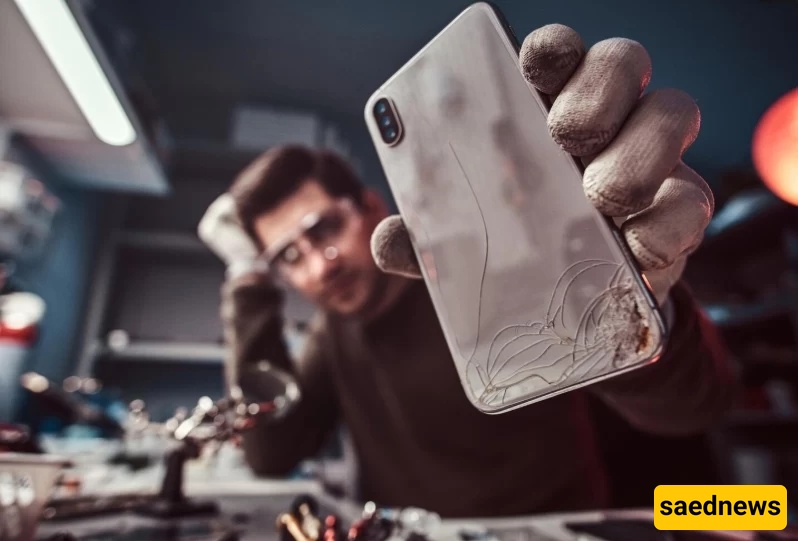
A modern and popular method is using nano repair kits. These products create a very thin polymer layer over the screen protector, filling small cracks and lines. They not only reduce the appearance of scratches but also add a new oleophobic layer that helps prevent fingerprints and smudges.
Dirty environments: tiny dust and sand particles act like sandpaper and damage the glass.
Low-quality protectors: cheap screen protectors often have weak scratch-resistant coatings.
Improper cleaning: using rough cloths or paper tissues can create micro-scratches.
Method | Target Scratch Type | Tools Needed | Effectiveness |
|---|---|---|---|
Toothpaste | Very fine scratches | Soft cloth | Moderate |
Baking soda | Medium to deeper scratches | Bowl & water | High |
Baby powder | Light scratches & haze | Cotton or cloth | Good |
Vegetable oil | Barely visible scratches | Cotton swab | Temporary |
Always use a bumper-style protective case to create space between the screen and flat surfaces.
Avoid placing your phone in the same pocket as keys or metal objects.
Use proper microfiber cleaning cloths and anti-static screen cleaners.
While these home remedies can extend the life and appearance of your screen protector, deep scratches that affect underlying layers are best solved by replacing the protector. By applying these methods correctly, you can save money and keep your screen looking clear and smooth for longer.