SAEDNEWS: Japan is home to a vast number of extraordinary and unique inventions, so much so that its innovations are often considered among the most leading and influential in the world.

According to Saednews, There are many strange and fascinating inventions by the Japanese. Throughout history, the “eastern-eyed” nation has introduced some of the world’s most significant human inventions. These unusual and impressive Japanese creations—from weapons to various electronic devices—have contributed greatly to culture, entertainment, and our daily lives. Even today, they continue to make life easier through new technological innovations. Here, we will introduce 25 strange and astonishing Japanese inventions.

One of the most important modern Japanese inventions is the high-speed train. After the invention of the automobile, trains lost popularity in the United States, but in Japan this technology returned stronger than ever. In 1964, Japan launched its first high-speed rail line between Tokyo and Osaka. This invention quickly became widely used, especially in crowded areas that required fast transportation systems.

A rickshaw is a cart-like vehicle pulled by a person to transport another individual. This clever vehicle was first invented in Japan in the 1860s. At that time, it was considered an affordable and popular means of transportation, and also a way to maintain physical fitness.
Do you like instant noodles? Then you should thank the Japanese. Momofuku Ando invented them after observing the devastation caused by World War II. Chicken ramen was first sold in 1958, and since then, students have been among its biggest fans.
The Tale of Genji, written in 11th-century Japan, is considered the world’s first novel. It was written by a woman named Murasaki Shikibu and tells the story of a handsome nobleman and his romantic experiences.
Although it is said that the early version of the katana was brought from China, the version known today is a lighter and higher-quality weapon developed in Japan and used by samurai warriors. It first appeared during the Muromachi period (1392–1573).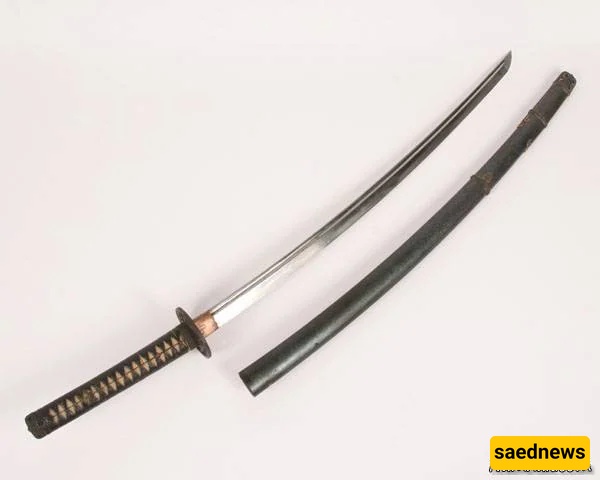
Porcelain tableware was invented in 16th-century Japan and exported by the Dutch East India trading company. It was created by the potter Ri Sampei.

The first microcomputer, called Sord SMP80/08, was invented in 1972. Although it was initially considered a failure and was not mass-produced, it contributed to the development of modern computers.
Although portable audio technology already existed, Sony was the first company to place cassette tapes into a device that allowed people to listen to music while walking. This device, called the Walkman, was introduced in 1979 and significantly boosted cassette tape sales.
Toyota developed the lean production system in post-war Japan by studying Ford’s production system and adapting it to its own needs. The goal was to minimize waste while maintaining efficiency. This system is now widely used worldwide.
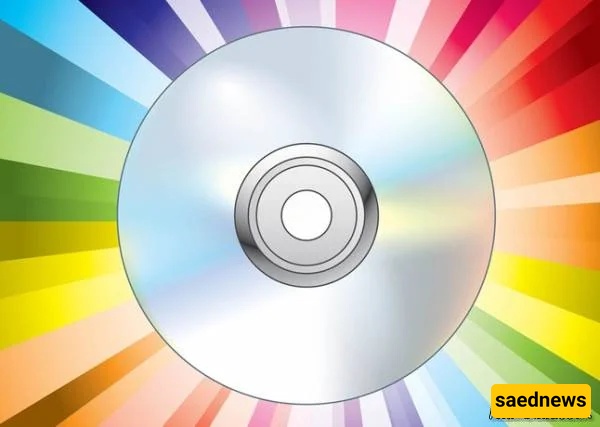
Compact discs were developed by Sony and Philips. After negotiations, they produced 115 mm discs capable of storing 74 minutes of audio. Later, Sony developed DVDs and Blu-ray discs, replacing earlier formats such as DVD-HD.
The Roland TR-808, developed by Ikutaro Kakehashi, was the first programmable drum machine. Released in 1980, it revolutionized music production, especially due to its bass drum sound.
Karaoke was invented in 1969 by Daisuke Inoue, though it was not released commercially until 1971. Initially, it was not very popular but later became widely used in Japanese bars. The term comes from “kara okesutura,” meaning “empty orchestra.”
Emoji are another widely used Japanese invention. They were created by Shigetaka Kurita and his team at NTT DoCoMo to express emotions beyond plain text messages.
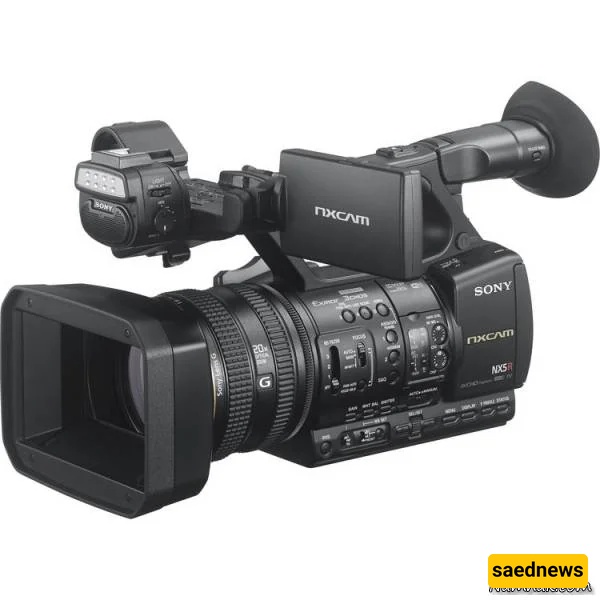
Although handheld video cameras existed in the 1950s, Sony produced one of the first modern video cameras in 1983. It made video recording simpler than earlier devices.
The first electric rice cooker was produced by Toshiba in 1955. It transformed Japanese cooking in the 1960s, and in the 1970s, microcomputer-controlled models were introduced with temperature adjustment features.
Today, camera phones are common, but in 1999 they were revolutionary. Kyocera released the first camera phone, the VisualPhone VP-2110, which could store up to 20 JPEG images.
This technology allows heart patients to carry portable ECG devices. The first portable ECG device was invented in 1937 by Taro Takemi. Many of its basic functions are still used today.
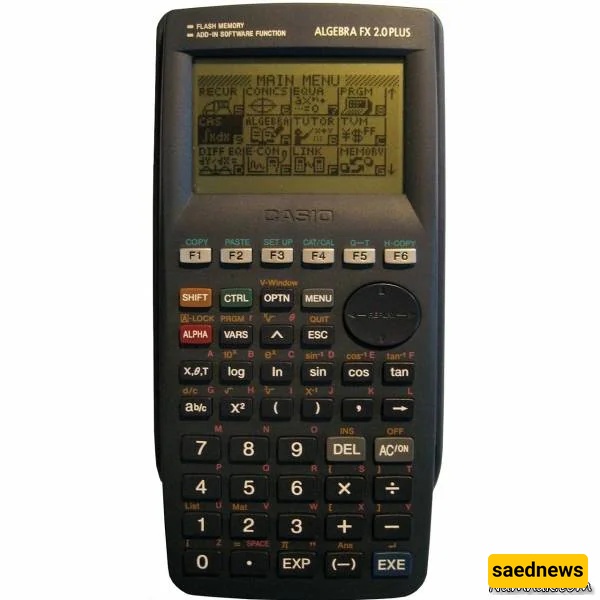
Pocket calculators were first invented in 1970 by the Japanese company Busicom.
Three Japanese scientists—Isamu Akasaki, Hiroshi Amano, and Shuji Nakamura—developed the first blue LED in the 1990s. This breakthrough led to modern LED lighting and earned them the Nobel Prize.
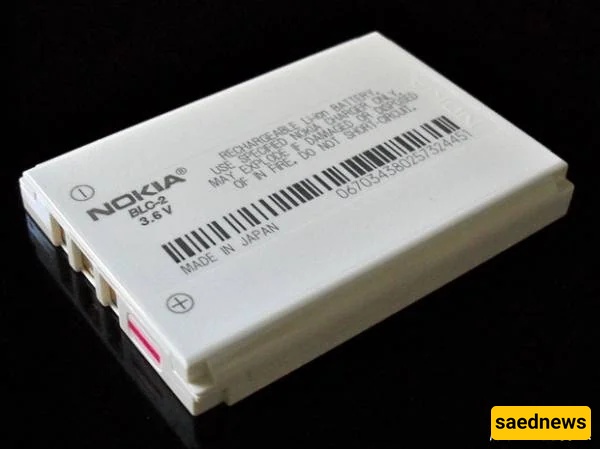
Asahi Kasei in Japan worked extensively on rechargeable lithium-ion battery technology. It was later commercialized by Sony and became widely used.
QR codes, widely used today for accessing information, were invented in 1994 by Toyota to improve manufacturing processes.
Although not originally “invented” in the modern sense, CRISPR-related research was discovered in 1987 by Yoshizumi Ishino and his team at Osaka University. At the time, they did not fully understand its significance. Later research led to today’s gene-editing technologies.
While 3D printing is considered a modern technology, its concept dates back to 1981 when Hideo Kodama introduced rapid prototyping using photopolymers. This became the foundation of modern 3D printing.
Memory cards, used to store data such as music, photos, and videos, were invented in 1984 by Fujio Masuoka at Toshiba to solve storage issues in electronic devices.
One of Japan’s remarkable inventions is the Android robot. The first humanoid robot, WABOT-1, was developed in 1970 at Waseda University. It had artificial eyes, ears, and mouth, and could lift objects.

An invention is the result of an idea by one or more individuals that introduces a new process or product and solves a problem in industry, technology, or related fields.
Iran has enacted laws to protect inventions, including:
The 1931 Patent Registration Law
The 2007 Law on Registration of Patents, Industrial Designs, and Trademarks (currently in force)
According to Article 1 of the 2007 law, an invention is a new idea that provides a specific process or product and solves a problem in industry or technology.
If an invention meets legal requirements, it is granted patent protection, giving the inventor exclusive rights.
An invention must:
Be globally new
Involve an inventive step
Have industrial applicability
A key requirement is global novelty. If an invention has already been disclosed anywhere in the world, it cannot be patented again.