SAEDNEWS: Women lose about 30–80 ml of blood and 15–25 mg of iron during each menstrual cycle. Therefore, iron deficiency should be compensated by consuming iron-rich foods. However, it is recommended to be cautious with vegetable intake during this period and avoid excessive consumption, as it may cause bloating.
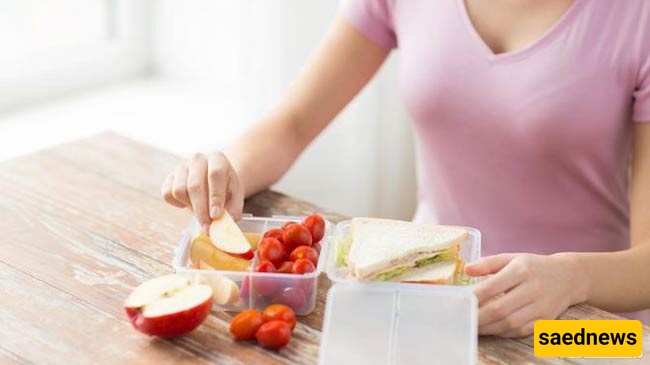
According to Saed News website and quoted by Nabz-e Ma, apart from pregnancy, the biggest difference between men and women is the menstrual period. During this time, women often feel more fatigue and may experience issues such as abdominal cramps and mild to severe pain. Stay with us to become familiar with foods that are beneficial during menstruation.
Menstruation may begin very early for some women, for example at the age of 11, while others may reach menopause around the age of 60. Some women have longer cycles with an average of 28 days, while others experience much shorter menstrual cycles. Despite these differences, most women face discomfort during this period. Certain beneficial foods can help reduce pain and stress during menstruation.
During this time, women may experience mood swings, shortness of breath, bloating, and other discomforts that can lead to unpleasant feelings.
Water is a gift of nature and, unsurprisingly, the most essential requirement for sustaining life. Water is one of the most beneficial substances during menstruation. Drinking more water during this period helps reduce various types of bloating.
The body retains water when it does not receive enough hydration. As a result, it may lose a significant amount of fluids, increasing the need for water intake during this time. Drinking water also supports regular bowel movements and helps reduce abdominal pain.
Women lose about 30 to 80 milliliters of blood and 15 to 25 milligrams of iron during each menstrual cycle. Therefore, iron deficiency should be compensated with iron-rich foods. However, vegetable intake should be moderate during this period, as excessive consumption may cause bloating.
Vegetables are among the beneficial foods during menstruation. Parsley contains compounds that are effective in reducing menstrual cramps. Spinach is rich in nutrients such as vitamin E, vitamin B6, and magnesium, which help prevent muscle cramps during menstruation.
According to comprehensive health research reports, women should consume at least 1200 mg of calcium daily. Women who receive 1200 mg of calcium over a three-month period experience fewer menstrual-related problems.
Cabbage is one of the best plant-based sources of calcium and has high antioxidant properties. Calcium intake enhances the body’s ability to eliminate free radicals.
Broccoli is also a beneficial food during menstruation. It contains 91% water and helps reduce inflammation and fatigue during this period. Additionally, broccoli is rich in calcium, vitamins A, C, B6, and E, as well as potassium and magnesium, all of which help reduce menstrual symptoms and cramps.
Fruits and vegetables are highly beneficial for women during menstruation. Low-sugar fruits help reduce fatigue and weakness during this time and are rich in fiber, which improves overall well-being.
Among fruits, bananas are particularly useful for regulating bowel function and are effective for women experiencing diarrhea during menstruation. Due to their vitamin B6 content, bananas help reduce abdominal cramps, while their potassium content helps reduce bloating.