SAEDNEWS: If you suffer from stomach ulcers, fig leaves may help you. Simply chew the leaves and swallow the juice produced in your mouth, and it is said that this may help improve stomach ulcers.
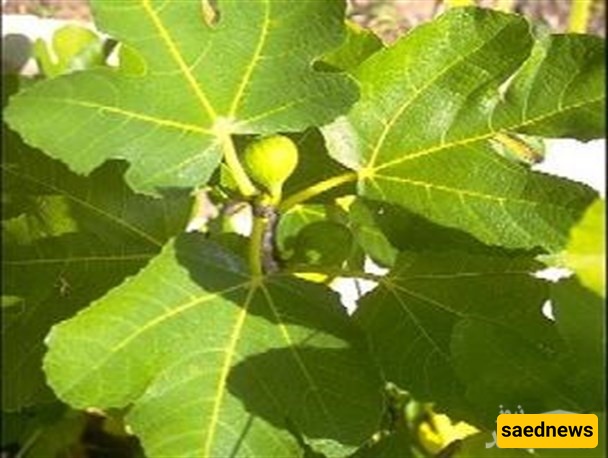
According to the Saed News medical service, citing Alodoctor, figs are warm-natured fruits rich in phosphorus, calcium, and potassium. Fig leaves are also highly effective in treating skin and digestive conditions. This article introduces the therapeutic benefits of fig leaves.
To reduce body swelling, place fig leaves on the affected areas.
Boiling fig tree leaves in water and allowing it to cool slightly, then pouring it into a basin and sitting in it can help treat painful and swollen hemorrhoids.
A decoction of fig leaves can relieve stomach pain.
A herbal infusion made from 26 to 30 grams of fig leaves in one liter of water acts as a sedative and is recommended for treating cough.
Fresh fig leaves are effective in healing wounds, injuries, and speeding up the recovery of superficial cuts. Fresh leaves can be placed briefly on minor wounds.
A decoction of young fig branches helps eliminate excess fluid from the body.
Fig leaves contain high levels of insulin-like compounds. To benefit from them, consume water prepared from these leaves. Boil the leaves in drinking water, let it cool for 15 minutes, and then drink it. If the taste is unpleasant, it can be improved with a little honey or cinnamon.
Fluctuations in triglyceride levels are often caused by kidney diseases, genetic lipid disorders, and hypothyroidism. To maintain healthy triglyceride levels, it is recommended to drink fig leaf tea daily. This tea may also help reduce excess body weight and lower the risk of heart disease.
For those suffering from stomach ulcers, fig leaves may be beneficial. Simply chew the leaves and swallow the juice released in the mouth to help improve gastric ulcers. Make sure the leaves are thoroughly washed before use.
Figs are rich in fiber, which plays an important role in treating constipation. In addition, figs help maintain healthy cholesterol levels and improve digestive function. Digestive issues such as reflux, heartburn, and gastritis may also be alleviated by consuming figs. Including figs in the diet is therefore recommended for overall digestive health.
When unripe figs or fig branches are cut, a white, bitter, and irritant sap is released. This sap contains enzymes similar to those in the human pancreas (such as lipase and protease). In the past, it was even used to tenderize meat by placing fig wood or leaves in cooking pots or using fig wood as skewers to make meat softer.
Traditional physicians believed that fig sap and leaves had healing properties when applied externally:
Warts and corns: Applying 1–2 drops of fig sap to warts or corns twice daily may gradually remove them.
Wounds and injuries: Fresh leaves placed on superficial wounds may speed up healing.
Skin peeling: Dried fig leaves mixed with vinegar and applied to the skin may improve flaking skin.
Hair loss: Powdered dried fig leaves soaked in water and applied to the scalp or eyebrows may help reduce hair loss.
Toothache: A drop of fig sap applied to a decayed tooth may help relieve pain.
Eating figs in small amounts, whether fresh or dried, is generally safe for most people. However, fig latex (sap) may cause gastrointestinal bleeding if consumed in large quantities. Topical use of fig leaves on the skin may increase sensitivity to sunlight. Individuals with sensitive skin may experience itching or irritation from contact with figs.