SAEDNEWS: In this article, you'll discover six of the world's most significant sunken treasures that are still waiting to be found.
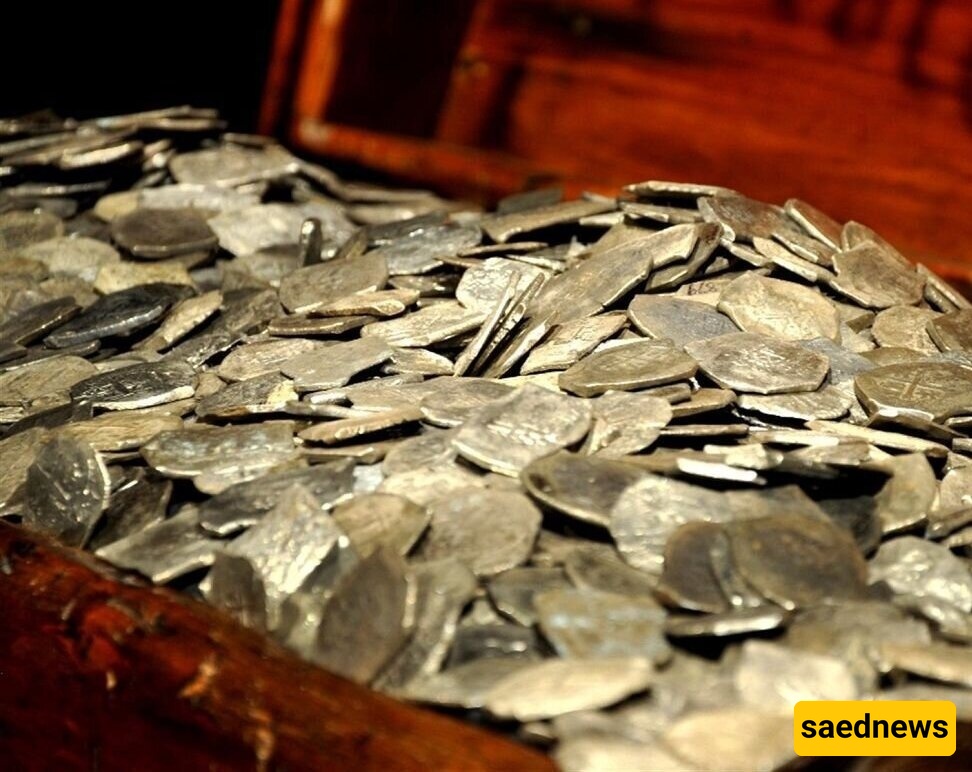
According to Faradeed, as reported by Saed News, Despite the legends, there are very few treasure caches today marked with a giant red "X" on a map. However, many famous lost treasures remain undiscovered, and some of the greatest are believed to lie beneath the world's oceans. According to the United Nations, at least three million shipwrecks rest on the ocean floor. While many hold historical significance, some are also thought to contain fortunes worth billions of dollars.
Here are six of the most famous sunken treasures that have yet to be fully recovered.
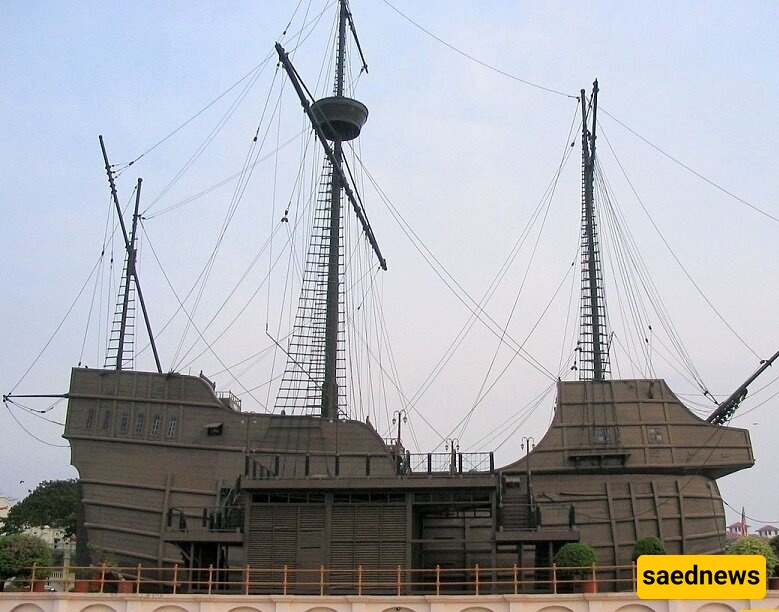
The Flor de la Mar is widely regarded as one of the richest lost ships in history. This Portuguese carrack from the early 16th century was among the finest vessels of its era and sailed extensively across the Indian Ocean. Over time, however, the ship deteriorated and was called into military service before undergoing much-needed repairs.
In 1511, after helping the Portuguese conquer Malacca (modern-day Malaysia), the Flor de la Mar encountered a violent storm and sank off the coast of Sumatra during its return voyage.
The ship is believed to have carried treasure worth more than $2 billion in today's value. Despite decades of searching and millions of dollars spent by treasure hunters, its wreck has never been found.
The Merchant Royal, commanded by Captain John Limbrey, was returning from trade with England's colonies in the New World when it stopped in Cádiz, Spain, for repairs.
While there, Limbrey secured a lucrative agreement with Spanish officials to transport treasure intended to pay 30,000 Spanish soldiers stationed in Antwerp (present-day Belgium).
The ship was believed to be carrying around 100,000 pounds of gold, along with an equally valuable cargo of jewels. Modern estimates place the treasure's value anywhere from several hundred million pounds to well over £1 billion.
During the voyage, the ship developed severe leaks and gradually filled with water. On September 23, 1641, it sank approximately 30 miles off the coast of Cornwall, England.
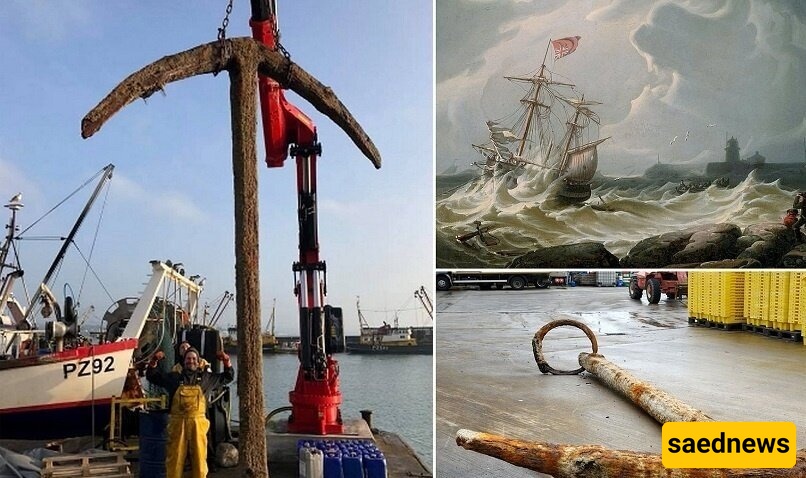
In 2019, fishermen discovered what is believed to be the ship's anchor, but the wreck and its legendary treasure remain missing.
When Italian explorer Christopher Columbus set sail on his first voyage to the Americas in 1492, his expedition consisted of three ships: the Niña, the Pinta, and the Santa María. The Santa María was the largest vessel and served as Columbus's flagship.
On Christmas Eve in 1492, while returning from the New World, the sailor responsible for steering the ship reportedly fell asleep after leaving an inexperienced cabin boy at the helm. As a result, the ship ran aground near present-day Haiti.
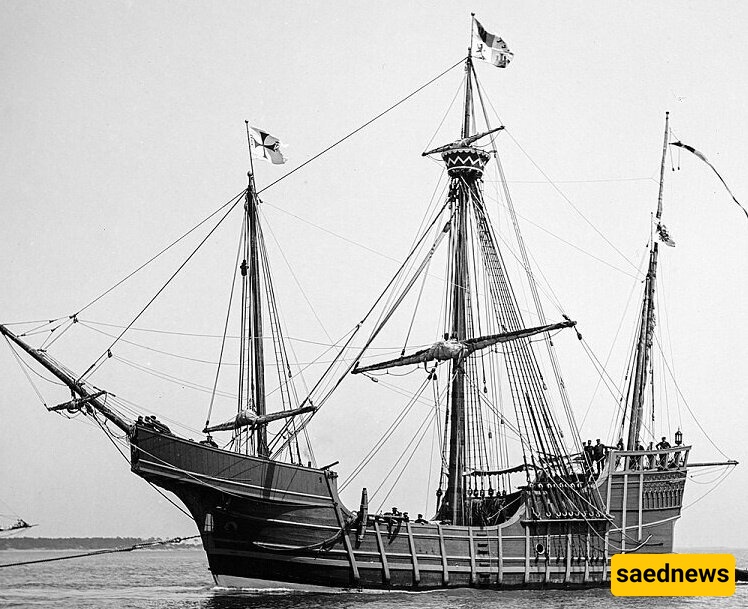
The crew salvaged valuable equipment and supplies before abandoning the vessel, which sank the following day.
Although the exact location of the Santa María has remained a mystery for more than five centuries, its immense historical importance continues to attract explorers and archaeologists.
In the summer of 1715, a fleet of 11 Spanish treasure ships departed Havana, Cuba, carrying enormous quantities of gold, silver, and other valuables back to Spain.
The fleet encountered a devastating hurricane off Florida's coast. All eleven ships sank, and more than 1,000 people lost their lives.
Pirates and salvage crews recovered portions of the treasure over the following years, but a significant amount remains underwater. Even after more than 300 years, divers continue to discover gold and silver coins from the wrecks.
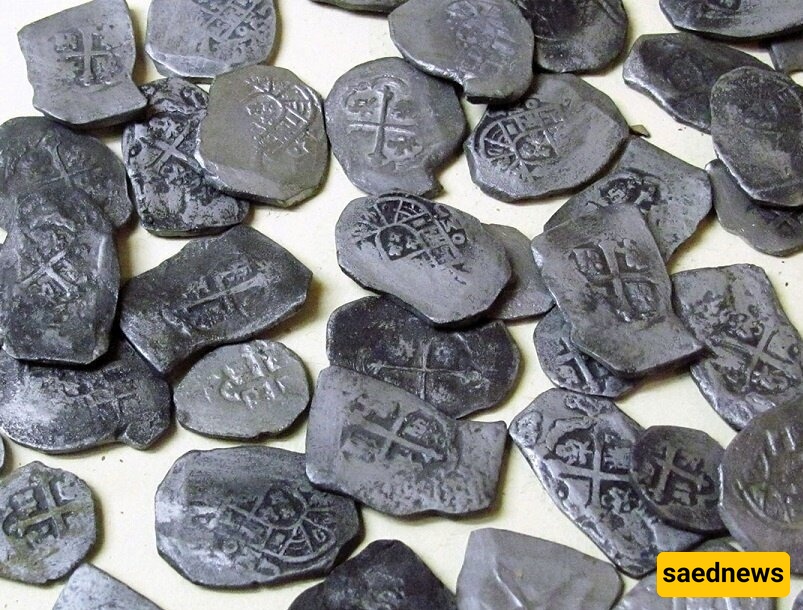
Occasionally, artifacts and coins from the fleet still wash ashore along Florida's Treasure Coast.
The RMS Republic was a steam-powered ocean liner built in Belfast in 1903 and operated by the White Star Line, the same company that later owned the Titanic.
In 1909, three years before the Titanic disaster, the Republic collided with another vessel in dense fog near Nantucket, Massachusetts, and sank. Six people died, while nearly 1,500 passengers and crew were rescued.
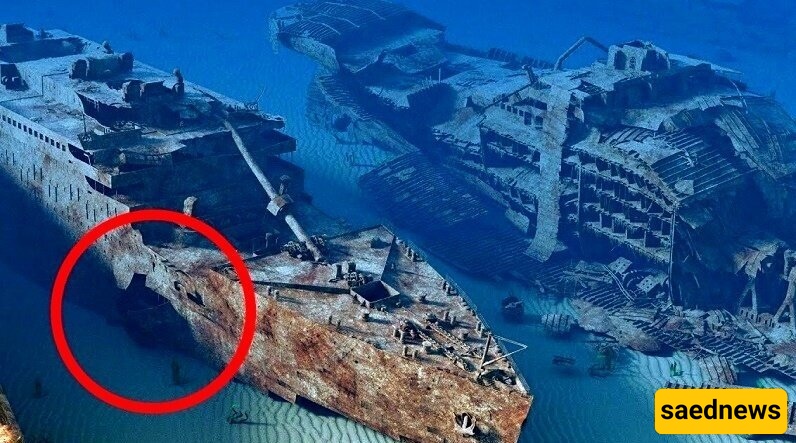
Nicknamed the "Millionaires' Ship" because of its wealthy passengers, the Republic was reportedly carrying $250,000 in U.S. gold coins. Rumors also claimed it held an additional $3 million in gold coins, a treasure that would be worth well over $1 billion today.
The wreck was discovered in 1981, but no major treasure was recovered. Many researchers believe valuable cargo may still lie buried within the wreck.
The Portuguese galleon Cinco Chagas was sunk during the Battle of Faial in 1594, part of the Anglo-Spanish War. The battle took place near Faial Island in Portugal's Azores archipelago.
Following the ship's loss, reports claimed it had been carrying 2,000 tons of treasure, including 22 chests filled with diamonds, rubies, and pearls.
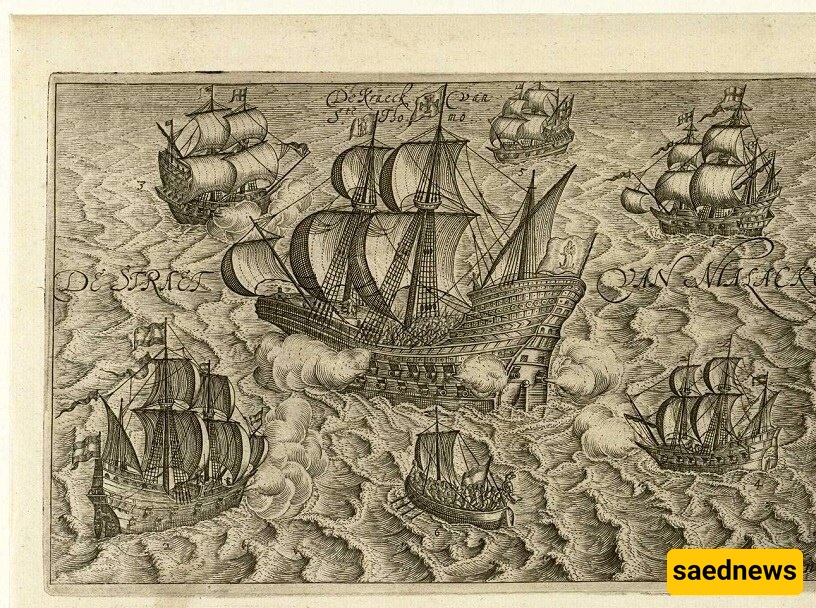
Today, the cargo is estimated to be worth more than $1 billion.
Although numerous expeditions have searched for the wreck, it has never been located. Many experts believe it remains hidden in extremely deep waters, making recovery exceptionally difficult.
From Portuguese warships and Spanish treasure fleets to Columbus's flagship and luxury ocean liners, these legendary shipwrecks continue to fascinate historians, archaeologists, and treasure hunters alike. Together, they represent some of the world's greatest unsolved maritime mysteries, with billions of dollars in potential treasure still believed to rest beneath the sea.