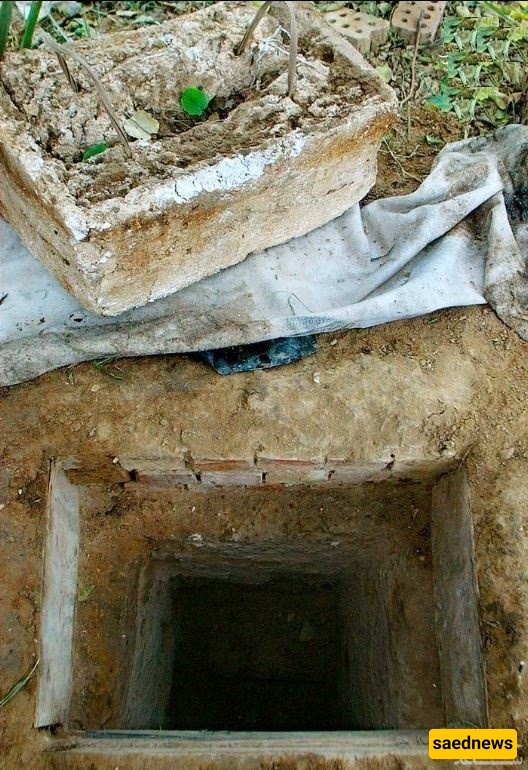
SAEDNEWS: American forces later found Saddam Hussein hiding in a dark underground hole. After he said, "Don't shoot," an Iraqi interpreter told him to come out. Saddam raised his hands, and U.S. soldiers pulled him out and arrested him.
According to the Society Desk of Saed News, Around 15 years after the capture of former Iraqi President Saddam Hussein by U.S. forces, many details of the operation remained little known. A report published by the American magazine Esquire revisited the December 2003 mission, featuring interviews with several people directly involved and revealing previously undisclosed aspects of the operation.
The search for Saddam Hussein continued for months after the U.S.-led invasion of Iraq. The operation reached a turning point in June 2003 when two Iraqi businessmen provided valuable intelligence about the Iraqi Presidential Security Service, an organization controlled by Saddam's close relatives and trusted associates.
Saddam Hussein was last seen publicly on April 9, 2003, shortly after the fall of Baghdad. Although he disappeared from public view, he remained the top target of U.S. forces. American intelligence believed he was hiding somewhere in western Iraq on a farm, but his exact location was unknown.
The intelligence identified two key individuals: Haddoushi and Mohammed Ibrahim al-Musallat. U.S. forces searched Haddoushi's farm, where they found numerous buildings and facilities. After breaking through the entrance, they encountered a hostile woman who frequently reacted angrily whenever American troops passed through the property.
While searching the farm, soldiers noticed a recently dug pit. After removing the soil, they uncovered approximately $8 million in U.S. currency hidden underground.
The search uncovered much more than cash. U.S. forces also found:
Four large storage boxes.
Jewelry and personal valuables.
Birth certificates and marriage documents considered important for intelligence purposes.
Further exploration revealed additional underground storage areas containing treasures believed to belong to Saddam Hussein's family.
Among the discoveries were large quantities of gold and jewelry belonging to Saddam Hussein's wife, Sajida Talfah, along with millions of additional dollars in cash.
Investigators reportedly found:
Thousands of bundles of $100 bills wrapped with Chase Manhattan Bank labels.
Several bags filled with jewelry.
Numerous gold rings and earrings.
Small gold daggers.
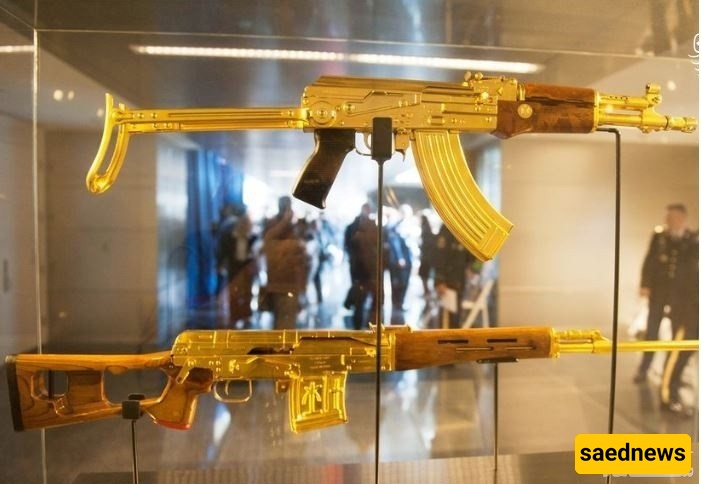
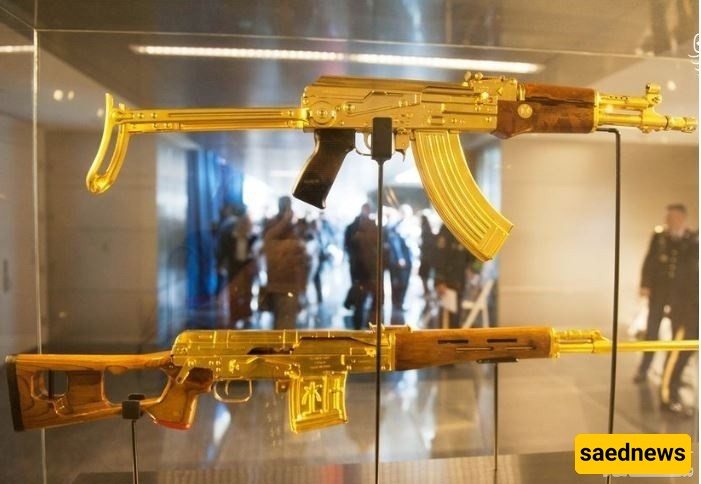
A gold-plated AK-47 rifle.
These findings highlighted the extent of the valuables hidden alongside Saddam's personal possessions.
Soon afterward, with assistance from Mohammed Ibrahim al-Musallat, who had been detained and was cooperating with U.S. forces, soldiers located Saddam Hussein hiding inside a concealed underground chamber.
Before entering the hiding place, an Iraqi interpreter named Samir, who accompanied the American troops, heard Saddam call out in Arabic:
"Don't shoot! Don't shoot!"
Samir instructed Saddam in Arabic to come out. Saddam emerged with his hands raised, and U.S. soldiers pulled him from the underground hideout and took him into custody.
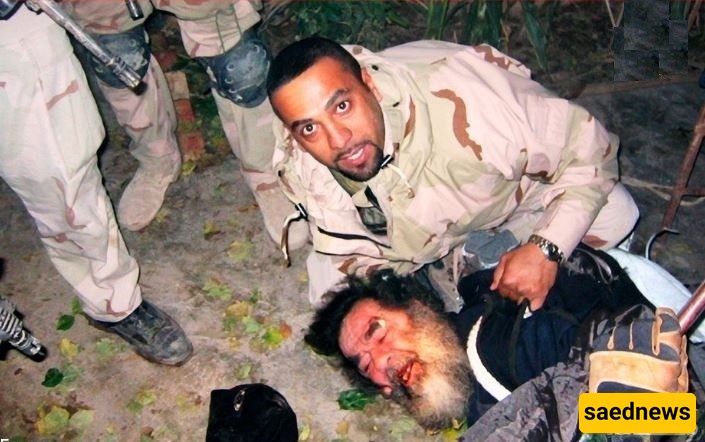
According to the report, in the tense moments immediately following the capture, Samir slapped Saddam several times before U.S. Special Forces intervened, reminding him that Saddam needed to be captured alive.
The operation that led to Saddam Hussein's capture was the result of months of intelligence gathering, cooperation from Iraqi informants, and extensive searches across rural Iraq. The discoveries made during the mission—including millions of dollars in cash, gold, jewelry, and personal documents—provided further insight into the resources hidden by Saddam's inner circle. Interviews with participants continue to shed light on one of the most significant military operations of the Iraq War.