SAEDNEWS: Fashion in 2026 is less about inventing an entirely new look than revisiting familiar ones—from ’90s minimalism and Y2K glamour to peplum, capris and even 2016-era styling. The surprise is how differently these old trends are being worn this time.
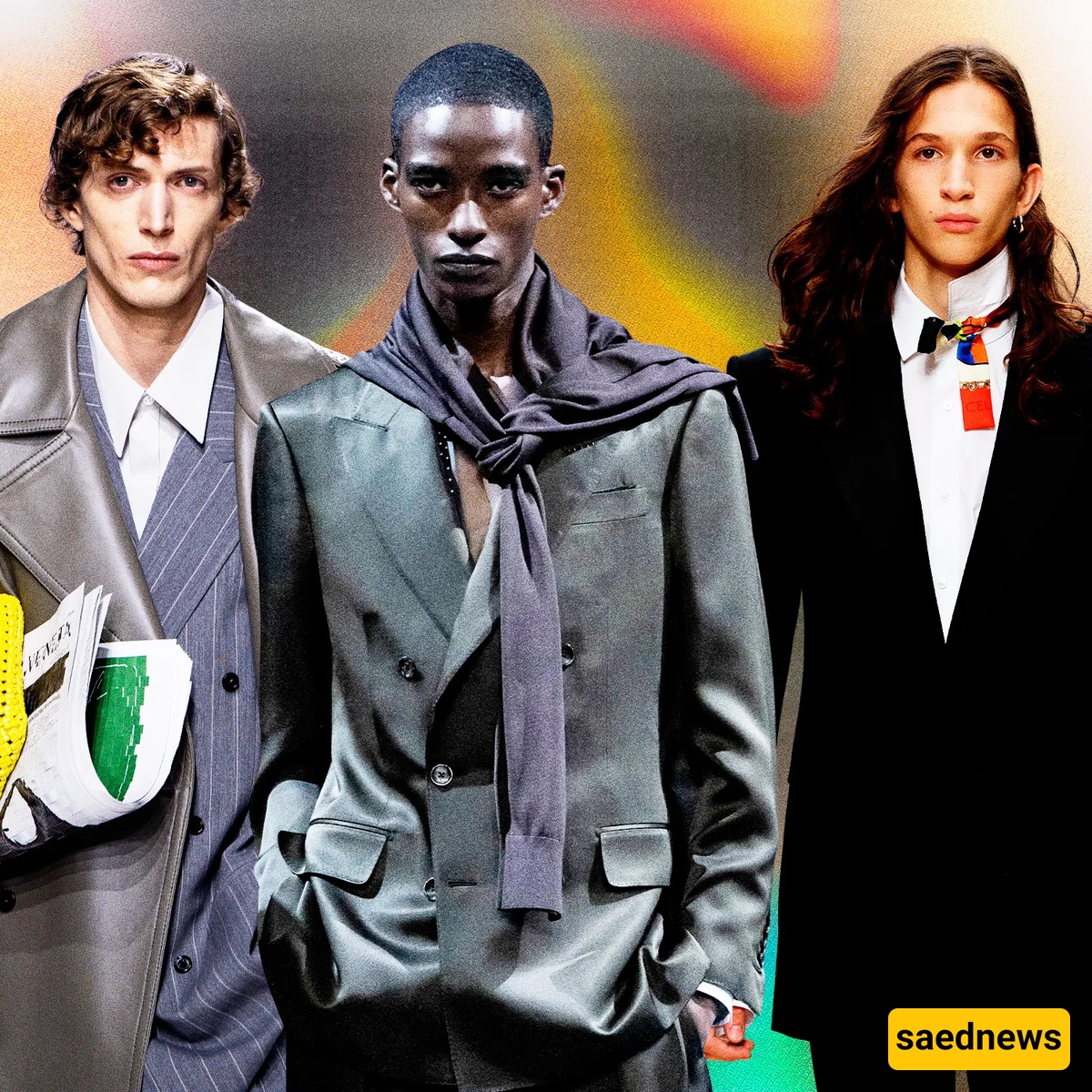
According to SaedNews, fashion in 2026 has developed a curious relationship with the past. Instead of choosing one decade and copying it from head to toe, designers, celebrities and younger shoppers are pulling individual pieces from different eras and rebuilding them for the present.
That is why a wardrobe can now contain a ’90s-inspired skirt, a 2000s-style bag, a ’70s-influenced print and a silhouette associated with the 1920s without looking like a costume.
The shift is visible across the 2026 fashion calendar. Vogue has identified strong ’90s influences in everything from denim and trousers to minimalist accessories, while its coverage of the fall 2026 collections highlights renewed interest in Art Deco, dropped waists, peplum proportions and updated tailoring.
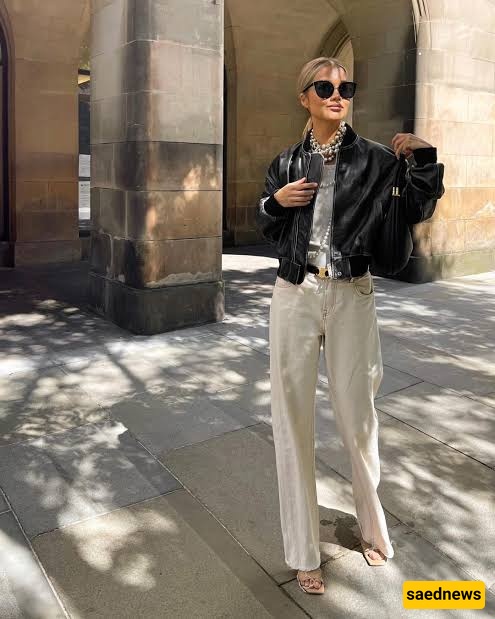
If there is one decade that keeps resurfacing in 2026, it is the 1990s.
The appeal is partly its restraint. Slip dresses, clean tailoring, simple handbags, straight or bootcut denim, plain hoops and silk scarves can look remarkably contemporary because they do not depend on elaborate decoration.
Vogue has described the current revival as a renewed affection for the clean-lined silhouettes and accessories associated with ’90s minimalism. Its 2026 denim coverage also points to mid-rise jeans, cuffed denim, bootcut shapes and other ’90s references returning to wardrobes.
The revival has also been helped by renewed interest in Carolyn Bessette-Kennedy’s understated style. Her combination of a white shirt, simple skirt, dark accessories and polished but unfussy tailoring has become a reference point for the current season.
The important difference is that 2026 does not require a complete ’90s outfit. One pair of jeans or a silk scarf can provide the reference without making the look feel dated.
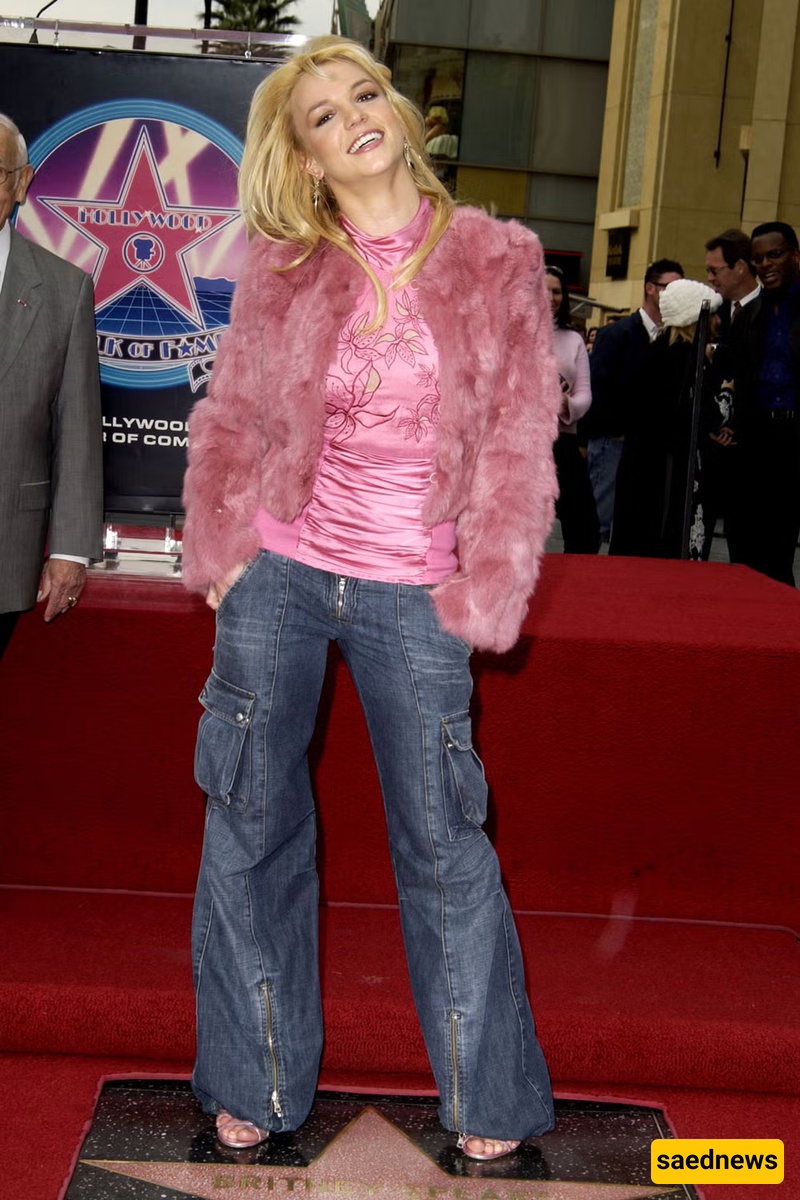
The early 2000s were supposed to be a temporary nostalgia cycle. Instead, they have repeatedly returned.
In 2026, the revival is particularly visible in denim, skinny silhouettes, oversized bags, miniskirts, layered accessories and sporty clothing. A fall 2026 collection from 7 For All Mankind explicitly revisited the 2000s, using ruffled miniskirts, skinny jeans, slouchy jackets and costume jewelry to evoke the era.
The comeback is not limited to runway collections. Vogue reported in June that collaborations involving brands associated with Juicy Couture and Freecity were helping fuel renewed interest in the classic Y2K sweatsuit.
Archival designer accessories are experiencing a similar revival. Louis Vuitton's early-2000s collaboration with Takashi Murakami, for example, has returned to the cultural conversation, while older Balenciaga and Fendi bags have been embraced again by celebrities and fashion followers.
What makes Y2K different in 2026 is the editing. The goal is usually not to recreate an entire 2004 celebrity wardrobe. A single archival bag, tracksuit, narrow scarf or pair of sunglasses can supply the nostalgic reference.
Few garments demonstrate fashion's cyclical nature better than capri pants.
The cropped style has roots stretching back well before the 2000s, but it became strongly associated with early-2000s fashion after earlier popularity in the mid-20th century. Vogue's 2026 coverage describes capris as one of the notable revived lengths of the season, with celebrities including Rihanna wearing them.
Their return is interesting because capris once seemed like the sort of trend that had permanently disappeared.
Instead, designers and stylists are treating the exposed ankle and calf as a deliberate part of the silhouette. Some versions are sleek and tailored; others lean into denim or sporty styling.
The lesson is familiar: fashion rarely throws an idea away forever. It simply waits until a new generation is ready to reinterpret it.
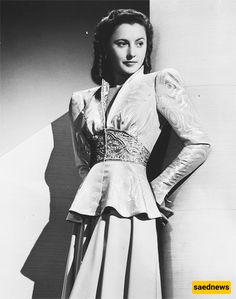
Another conspicuous comeback is the peplum.
The flared fabric attached around the waist became especially recognizable in the 2000s, although the silhouette has a much longer history. In 2026, designers are bringing it back in more sculptural forms rather than simply reproducing the fitted tops associated with earlier versions.
Vogue's spring/summer 2026 trend report identified a Peplum Revival, noting appearances at houses including Dries Van Noten, Khaite and Stella McCartney. The current interpretation tends to emphasize shape and proportion rather than the overtly fussy look that became associated with the trend years ago.
That distinction matters. A returning trend does not necessarily return unchanged.
Not every revival in 2026 comes from the recent past.
Fall 2026 collections have also looked toward the Jazz Age and Art Deco. Vogue identified dropped waists and Art Deco-inspired dressing among the season's important directions, with designers using historical references while giving them contemporary proportions.
The dropped waist is particularly interesting because the same broad silhouette has appeared in several periods, including the 1920s, 1960s and 1980s. In modern collections, it becomes less a historical costume and more an experiment with where the body of a garment begins and ends.
That is a recurring theme in 2026 fashion: the past is being used as design vocabulary rather than as a strict template.
The nostalgia cycle is not limited to the ’90s and 2000s.
Depop's 2026 trend report describes a form of “Neo Nostalgia” in which Gen Z and younger Millennials combine fragments of the 1970s, 1990s and early 2000s instead of committing to one historical aesthetic.
That helps explain the continuing presence of flowing silhouettes, fringe, vintage-inspired prints and bohemian styling.
Vogue's 2026 summer trend coverage similarly highlighted retro prints and resort dressing influenced by the 1960s and ’70s, including bold stripes, florals and polka dots.
Rather than recreating a literal 1970s outfit, today's version tends to mix one nostalgic element with cleaner contemporary pieces.
Perhaps the strangest revival is one that hardly feels historical yet: 2016.
In January, Vogue examined the cultural phenomenon of “2026 is the new 2016,” pointing to renewed nostalgia for the music, celebrity culture, social-media aesthetics and fashion of that period.
A separate Vogue trend report identified the return of several 2016-associated items, including skinny jeans, ankle boots, ballet flats, bomber jackets, skinny scarves and certain “It bags.”
This is a useful reminder that fashion nostalgia is accelerating. A decade ago, 2016 felt like the present. In 2026, it is already far enough away for people to remember it selectively—and reinterpret it.
There is no single explanation, but the current cycle appears to combine several forces.
First, nostalgia gives people familiar visual references at a time when fashion is increasingly fragmented. Depop's research describes consumers mixing decades rather than following one dominant aesthetic.
Second, social media makes old images immediately accessible. A look that once disappeared into an old magazine or celebrity photograph can now circulate again within hours.
Third, fashion houses have enormous archives. Reworking an established silhouette, logo, accessory or print can reconnect a brand with its history while giving younger customers something that feels both recognizable and new. The resurgence of early-2000s designer pieces illustrates this particularly clearly.
And there is a practical reason: many people already own yesterday's trends.
A comeback does not always require buying an entirely new wardrobe. A pair of old jeans, a scarf, a vintage handbag or a forgotten jacket can suddenly look current when styled differently.
The biggest mistake would be to interpret these revivals as a command to dress exactly as people did decades ago.
The more interesting development is the mixing of eras.
A modern outfit might combine ’90s denim with a ’70s print, a 2000s handbag with minimalist tailoring, or a 2016 ballet flat with contemporary proportions. That approach reflects what Depop calls “Neo Nostalgia”: the past is being edited rather than copied.
So if an old piece has been sitting in the back of your closet, 2026 may be the year to look at it differently.
Fashion's latest obsession is not really going backward.
It is asking what parts of the past are still worth bringing forward.