SAEDNEWS: Make soft, tender, and deliciously fragrant pancakes at home with this easy step-by-step recipe, then serve them with butter and honey or your favorite sauce.
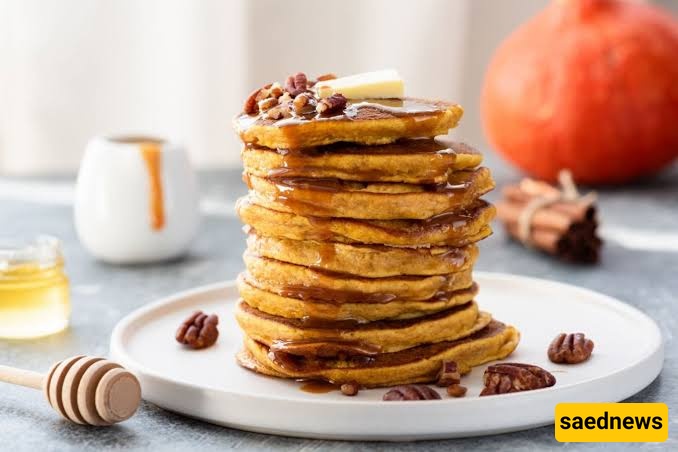
According to Saednews, Pancakes are one of the most popular breakfast and snack foods around the world. These soft and delicious treats, especially when topped with a piece of butter and honey, have countless fans and are served in many cultures as a complete breakfast or dessert. Many people assume that making pancakes at home is difficult, but in reality, with a simple recipe and ingredients found in almost every kitchen, you can prepare soft, fluffy, and fragrant pancakes in very little time. In this article, we’ll show you how to make simple pancakes step by step, along with useful tips and creative serving ideas.
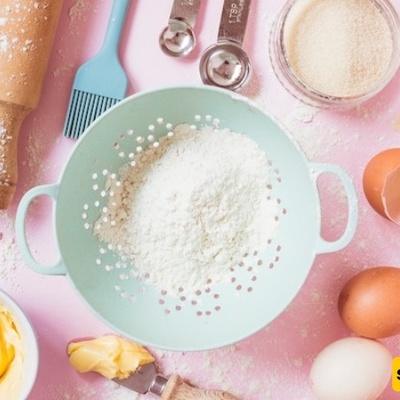
To make light and fluffy pancakes at home, prepare the following ingredients. This recipe makes approximately 4–5 medium-sized pancakes:
1 cup all-purpose flour
1 egg
1 cup milk
50 g butter
1½ teaspoons baking powder
2 tablespoons sugar
¼ teaspoon salt
Vegetable oil, as needed for cooking
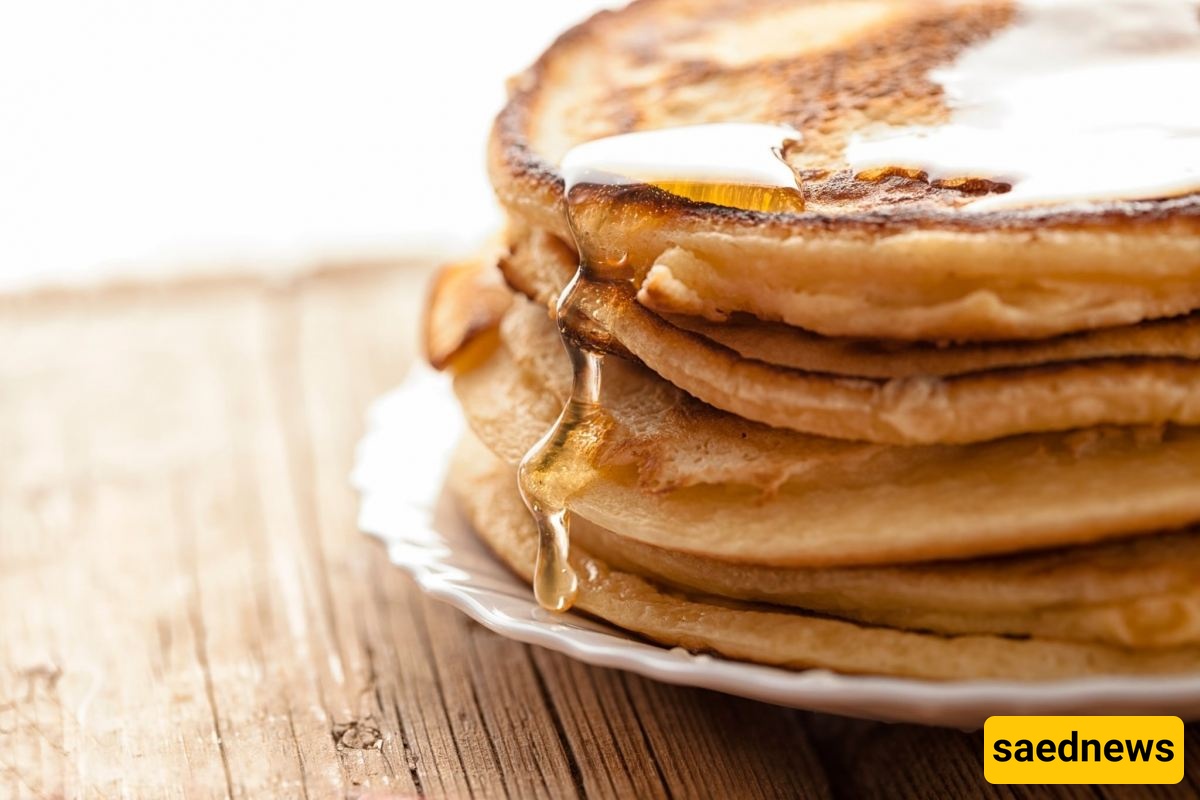
These ingredients are enough for four to five pancakes. If you are cooking for more people, you can double or triple the quantities. The key is to maintain a good balance between the flour and milk so that the batter is neither too thick nor too runny.
Choose a large mixing bowl. Add the flour, sugar, salt, and baking powder. Gently combine them using a fork or hand whisk. This helps distribute the baking powder evenly throughout the flour, allowing the pancakes to rise more consistently during cooking.
Bring the butter to room temperature a few hours beforehand, or melt it using a double-boiler method if you are short on time. Make sure the butter is not boiling hot; it only needs to be melted.
In a separate bowl, crack the egg and whisk it with a fork until the yolk and white are fully combined. Add the milk and mix well. Finally, pour in the melted butter and stir until the mixture becomes well combined.
Pour the wet mixture into the bowl containing the dry ingredients. This is when you can determine whether your pancake batter has the right consistency.
Using a fork or spatula, gently mix the ingredients until the dry flour pockets disappear. The batter does not need to be perfectly smooth. A few small lumps are completely normal. Avoid overmixing because excessive mixing develops gluten, which can make the pancakes tough rather than soft and fluffy.
One of the secrets to soft and fluffy pancakes is allowing the batter to rest. Let it sit at room temperature for about 5–10 minutes.
During this time, the baking powder begins to work and the flour absorbs the liquid more effectively. This short resting period can help the pancakes rise better and develop a more pleasant texture.
Place a flat or deep nonstick pan over low to medium heat. Allow the pan to heat properly, but do not make it so hot that the oil begins to smoke. Excessive heat can cause the outside of the pancakes to burn while the inside remains undercooked.
Lightly brush the bottom of the pan with vegetable oil. Pour about one-eighth of the batter into the center of the pan. The batter should naturally spread into a round shape.
After approximately 1–2 minutes, small bubbles will appear on the surface and the edges will begin to turn golden. At this point, carefully flip the pancake with a soft spatula. The second side usually cooks more quickly and should take about one minute.
Serve the pancakes immediately after cooking. A good way to keep them warm is to stack the finished pancakes on a plate and cover them with a clean cloth.
You can serve them with your favorite toppings, such as:
Butter
Honey
Grape molasses
Jam
Melted chocolate
Fresh fruit
Simple pancakes can also be served with a little sugar and fresh lemon juice for a delicious combination of sweet and tangy flavors.
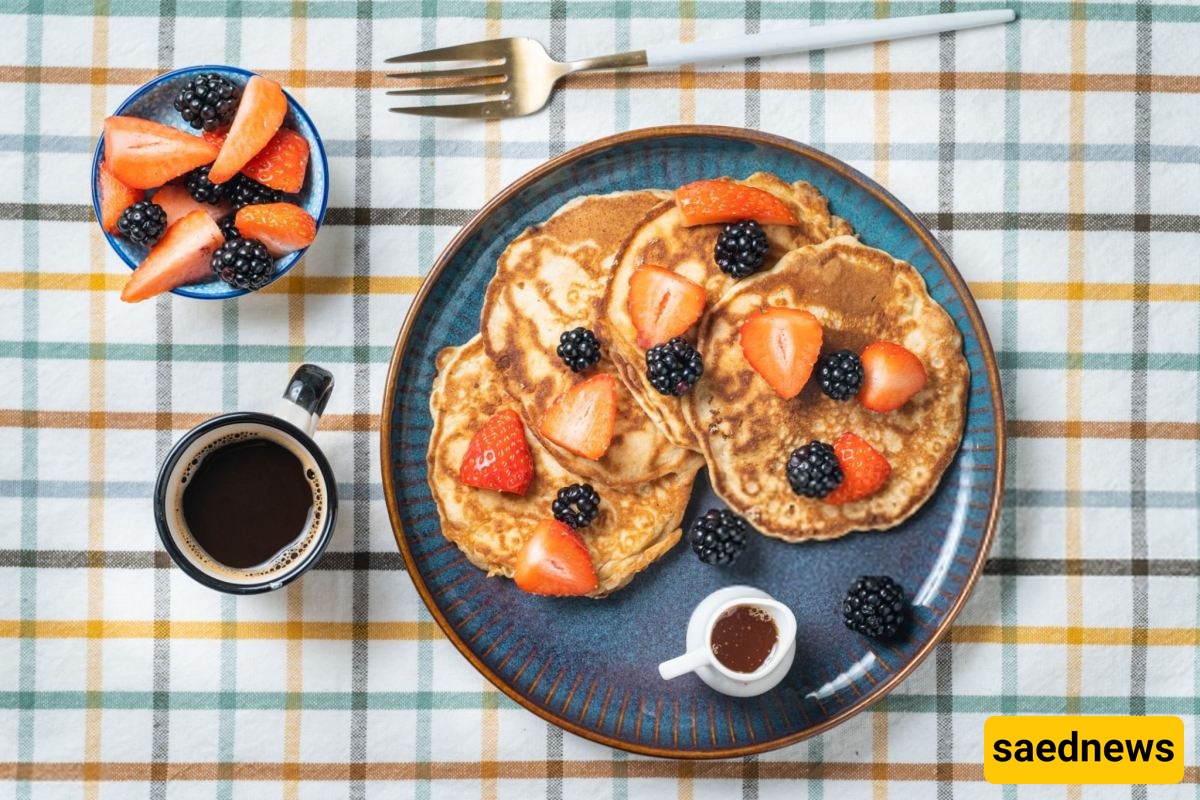
If you want your homemade pancakes to look and taste as good as restaurant-style pancakes, keep these tips in mind:
Do not overmix the batter: The less you mix, the softer and more tender your pancakes will be. Simply combine the wet and dry ingredients until incorporated.
Control the heat: Keep the heat at medium-low. The first pancake is often a test pancake that helps you determine the ideal temperature. If it becomes too dark, reduce the heat.
Use only a small amount of oil or butter: With a good nonstick pan, a thin layer of oil is enough. Too much oil can make the pancakes greasy and heavy.
Use the same amount of batter for each pancake: A consistent ladle or measuring cup will help you create pancakes that are evenly sized and shaped, making them look better when served.
Cook the batter soon after preparing it: Pancake batter should not be stored for a long time before cooking. The baking powder can gradually lose its effectiveness, resulting in flatter pancakes.