SAEDNEWS: Ancient Headless Skeletons in China Linked to a 4,100-Year-Old “Head-Hunting” Mass Killing Event
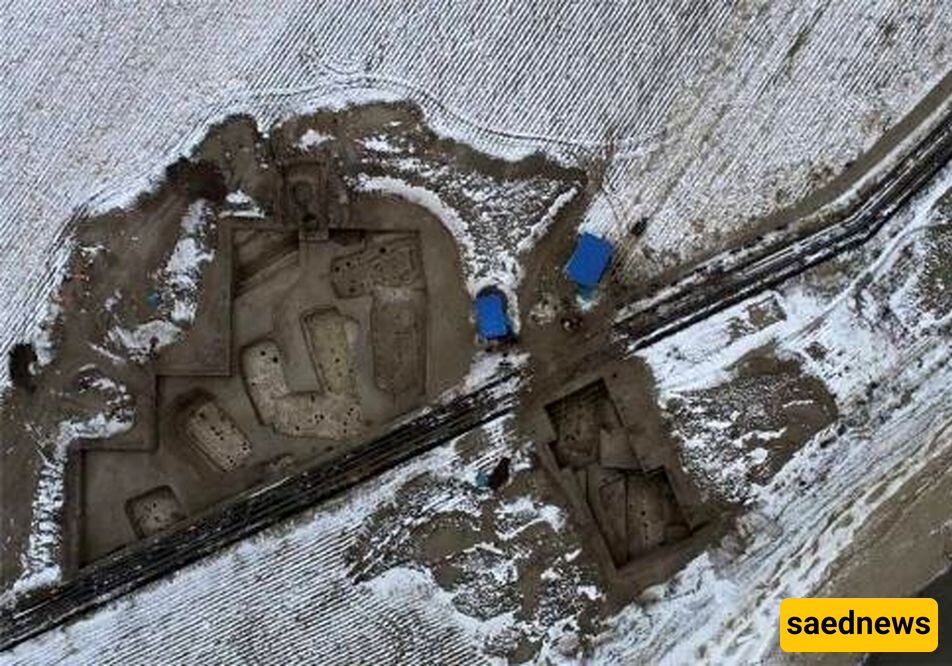
According to Saednews reports citing Faraid, researchers in China have uncovered a mass grave containing 41 headless skeletons. The burial site at Honghe represents what is considered the largest known massacre in China’s Neolithic period. Evidence from the site suggests that 32 individuals were killed in a single violent event.
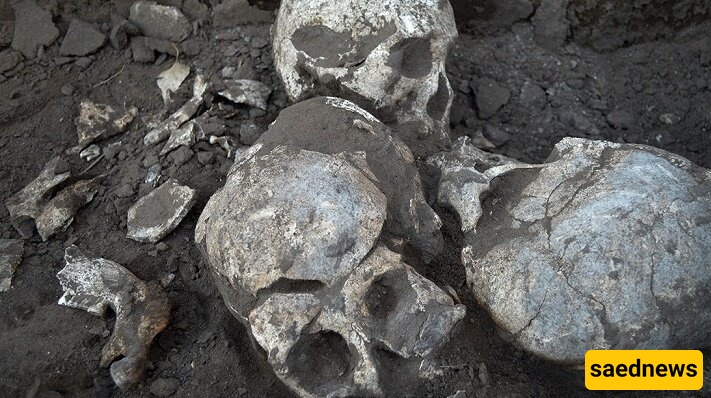
Since its initial discovery in the 1990s, this disturbing site has undergone six separate excavation campaigns. In the most recent investigation, archaeologists uncovered 68 skeletons across two houses and three tombs, of which 41 were missing their heads. The remains are estimated to be between 4,100 and 4,400 years old. In addition, researchers also found four male skulls buried in a pit outside the dwellings, along with several bone weapons placed near the skeletons.
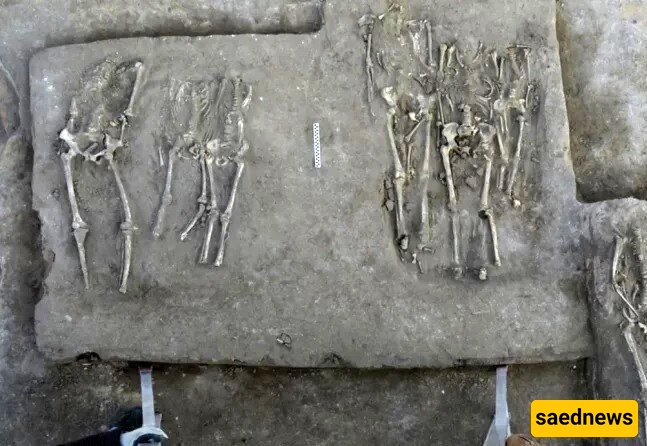
Unusually, all of the victims were women or children. Each skeleton showed cut marks along the cervical vertebrae and multiple V- and U-shaped incisions on the second vertebra, indicating systematic decapitation. The attackers are believed to have used stone-bladed tools fitted with bone handles. The consistency of the injuries suggests that the killings likely occurred during a single coordinated attack.
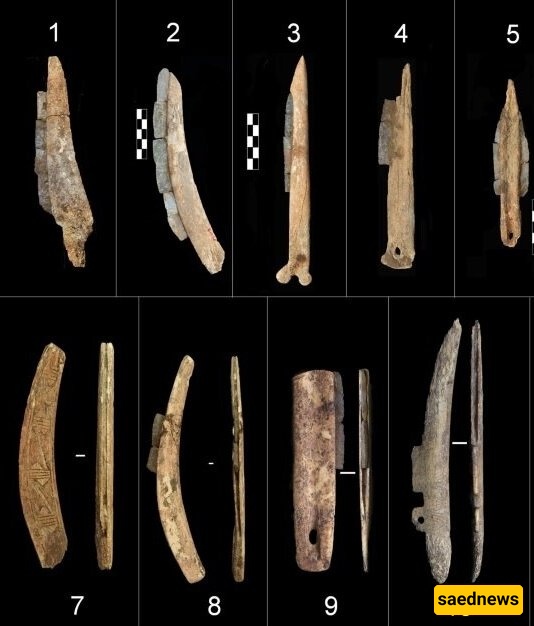
These cutting tools match other artifacts found in the Honghe region. Researchers suggest that the findings point to a form of “headhunting” behavior—an intentional practice of killing and collecting human heads.
The study, published in Archaeological and Anthropological Sciences, used visual examination and advanced imaging techniques to identify signs of decapitation. The researchers concluded that 32 of the 41 decapitations likely happened in one event.
Headhunting has been documented in many parts of Asia, especially Southeast Asia and the Pacific Islands. It was often driven by ritual, social, and territorial motivations, with groups collecting heads to gain spiritual power, demonstrate dominance over rivals, or communicate with ancestral spirits.
The study proposes two main explanations for the massacre. The first is that it may have been a ritualistic practice. Researchers suggest that during an enemy attack on the settlement, women and children may have been specifically targeted, leading to extreme interpersonal violence. One of the study’s authors, Qian Wang, stated that enemy heads may have been sought for their ceremonial significance, including beliefs about capturing spiritual energy or power.
The second theory attributes the killings to inter-settlement conflict. The Honghe site shows evidence of defensive structures, including three surrounding ditches, indicating repeated conflict between local inhabitants and rival groups. In this scenario, the attackers may have taken the severed heads as trophies of victory and as a form of psychological warfare.
Most inhabitants of Honghe were farmers, fishers, and hunters. According to researchers, the selective killing of women and children would have represented an extreme form of humiliation toward the defeated group.
Researchers also suggest that many of the men may have been away during the attack, later returning to find the aftermath of the massacre. The victims were then buried within houses and tombs before the settlement was eventually abandoned.
Meanwhile, the four skulls found in an external pit may represent trophies taken from an opposing group and brought back to the settlement.