SAEDNEWS: Washington has asserted that its intensive diplomacy and “effective diplomatic role” brokered the recent ceasefire between Israel and Syria along the Golan frontier, a claim that has drawn mixed reactions amid fierce Middle East geopolitical rivalries.
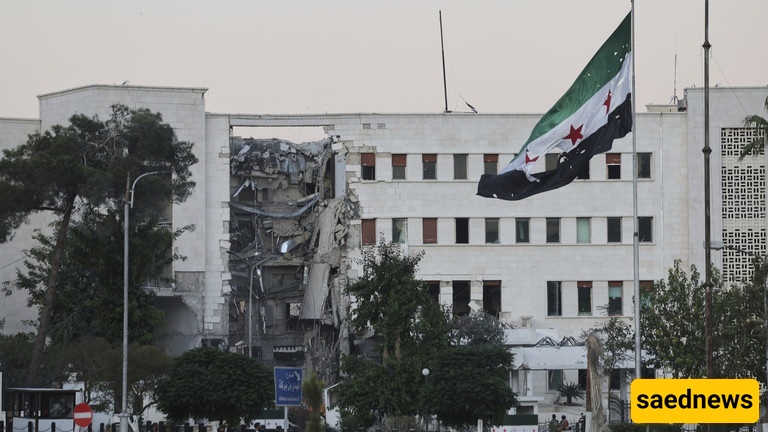
According to SaedNews’s political desk, citing Russia Today, the U.S. State Department issued a statement detailing “intensive consultations” with Israeli officials, Arab states, and other regional stakeholders. These discussions, the statement said, culminated in an informal understanding to halt hostilities that had threatened to spill beyond a proxy conflict.
Israeli media have acknowledged the drop in tension and credited America’s diplomatic intervention. Damascus, however, has yet to officially respond to Washington’s assertion. Some analysts argue that the pause in fighting owes more to mutual deterrence and both sides’ desire to avoid a protracted war than to any brokered agreement.
The U.S. claim of direct involvement comes as Russia, Iran, and even China vie for influence in the Middle East. Washington appears eager to restore its image as an effective crisis mediator—an image tarnished in recent years by its withdrawal from Afghanistan, muddled Syria policy, and unwavering support for Israel.
Observers also note that President Biden may be leveraging this development to showcase foreign‑policy successes ahead of the 2024 election, aiming to present his administration as “crisis‑solvers” rather than “crisis‑creators” to American voters.
Enhanced U.S. Diplomatic Standing: Bolstering America’s credibility against regional powers such as Russia and Iran.
Pressure on Syria: Damascus may face unspoken demands for security or geopolitical concessions under an unofficial truce.
Fragile Stability: Although the ceasefire has temporarily eased hostilities, renewed clashes remain possible if the deterrent balance falters.
While Washington promotes the ceasefire as a diplomatic victory, Middle East history warns that such truces are often fragile—dependent on a delicate equilibrium among competing actors. True peace will hinge not on declarations but on the parties’ sustained commitment to holding fire.