SAEDNEWS: A new UN assessment says only 3% of Gaza’s cultivable land remains accessible to farmers as agricultural production continues to decline. UN agencies warn that food insecurity remains severe amid damage to infrastructure, limited humanitarian access, and the collapse of local food systems.
According to SaedNews:
A new assessment by United Nations agencies has revealed that only 3% of cultivable land in the Gaza Strip remains intact and accessible to farmers, amid a continuing decline in agricultural production and growing concerns over the territory’s food system.
The report, published by the Food and Agriculture Organization (FAO) and the United Nations Satellite Centre (UNOSAT), said farmers in Gaza have access to only a small portion of agricultural areas due to restrictions preventing access to farmland.
According to the latest geographic assessment based on data collected in late June 2026, usable and undamaged agricultural land has significantly decreased, falling from 601 hectares in October 2025 to 448 hectares by the end of June 2026, a 25.5% reduction in eight months.
The report said 27% of usable agricultural land remains across Gaza, but most of that area has suffered extensive damage requiring major rehabilitation efforts, while access remains restricted.
Greenhouses have also been heavily affected, with only 16.6% still usable. The situation is particularly severe in Rafah in southern Gaza, where more than 97% of farmland is now inaccessible to farmers.
Rhein Poulson, director of FAO’s emergency response office, expressed concern over the situation, saying that without urgent measures to ensure farmers can safely reach their land and receive necessary support, the possibility of restoring local food production will decline further.
He warned that farmers and livestock owners in Gaza are facing not only limited access to farmland but also severe shortages of fertilizer, seeds, fuel, and animal feed, conditions worsened by border crossing restrictions.
Before the war began in October 2023, agriculture accounted for around 10% of Gaza’s economy and supported more than 560,000 people. The United Nations has repeatedly warned that restrictions imposed by the Israeli military could lead to the complete collapse of food systems in Gaza.
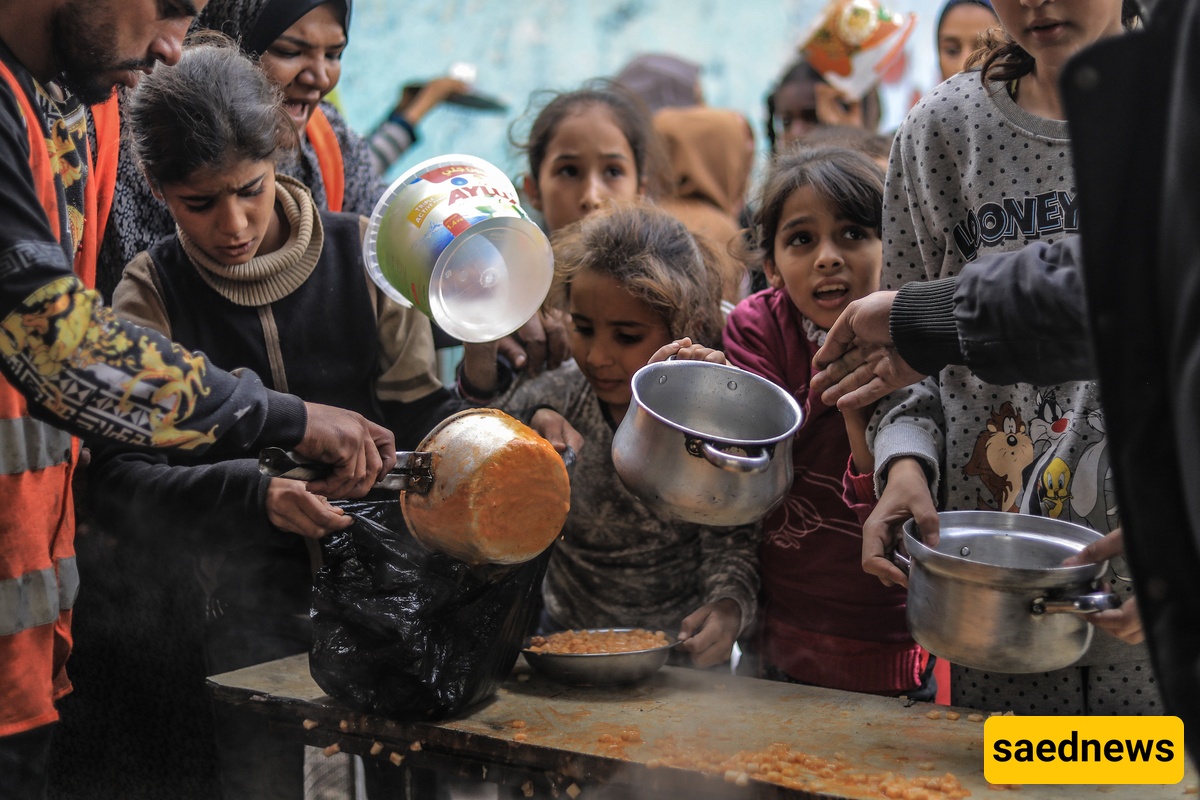
The latest agricultural assessment comes amid a worsening food crisis that Gaza has experienced for nearly two years. The Integrated Food Security Phase Classification (IPC) officially declared famine in parts of Gaza and warned of a sharp increase in the number of children at risk of death due to severe malnutrition.
The number of children facing a risk of death from malnutrition reached 43,400 by the end of June 2026, while the number of pregnant and breastfeeding women suffering from dangerous levels of malnutrition doubled to around 55,000.
The worsening food situation is directly linked to the collapse of agriculture, which before the war was a key part of Gaza’s economy and a source of income for tens of thousands of families.
The United Nations describes Gaza as one of the world’s most severe hunger zones, with the entire population facing acute food insecurity and a continuing threat of famine due to restrictions on humanitarian aid and damage to agricultural infrastructure.
In tents, hospitals, and medical clinics, cases of acute malnutrition, protein deficiency, and shortages of nutritious food continue to be reported, while widespread unemployment, lack of income, high prices, and environmental pollution are worsening the health conditions of children.
Although some international organizations have reported improvements in famine and hunger indicators in Gaza, conditions on the ground remain different. The arrival of food in markets does not necessarily mean it reaches households, and the availability of goods does not guarantee that people can afford them.
The FAO, UNICEF, the World Food Programme (WFP), and the World Health Organization (WHO) said progress in improving hunger conditions in Gaza remains extremely fragile because residents continue to suffer from widespread infrastructure destruction, the collapse of livelihoods, and the decline of local food production caused by restrictions on humanitarian operations.
UN agencies warned that without a sustained and significant increase in food, livelihood, agricultural, and health assistance, along with expanded commercial flows, hundreds of thousands of people could quickly return to famine conditions.
The World Food Programme also warned that families in Gaza are living in extreme poverty and that even when some goods are available in markets, many people cannot afford to purchase them.