SAEDNEWS: While new diplomatic efforts are underway in Cairo to advance a Gaza ceasefire, residents of the besieged territory continue to face harsh living conditions, uncertainty, and conflicting reports about their future.
According to SaedNews:
While Israel, with US support and through the so-called Peace Council, has moved to bypass the Gaza roadmap, new political and diplomatic efforts have recently begun in Cairo to complete a ceasefire agreement.
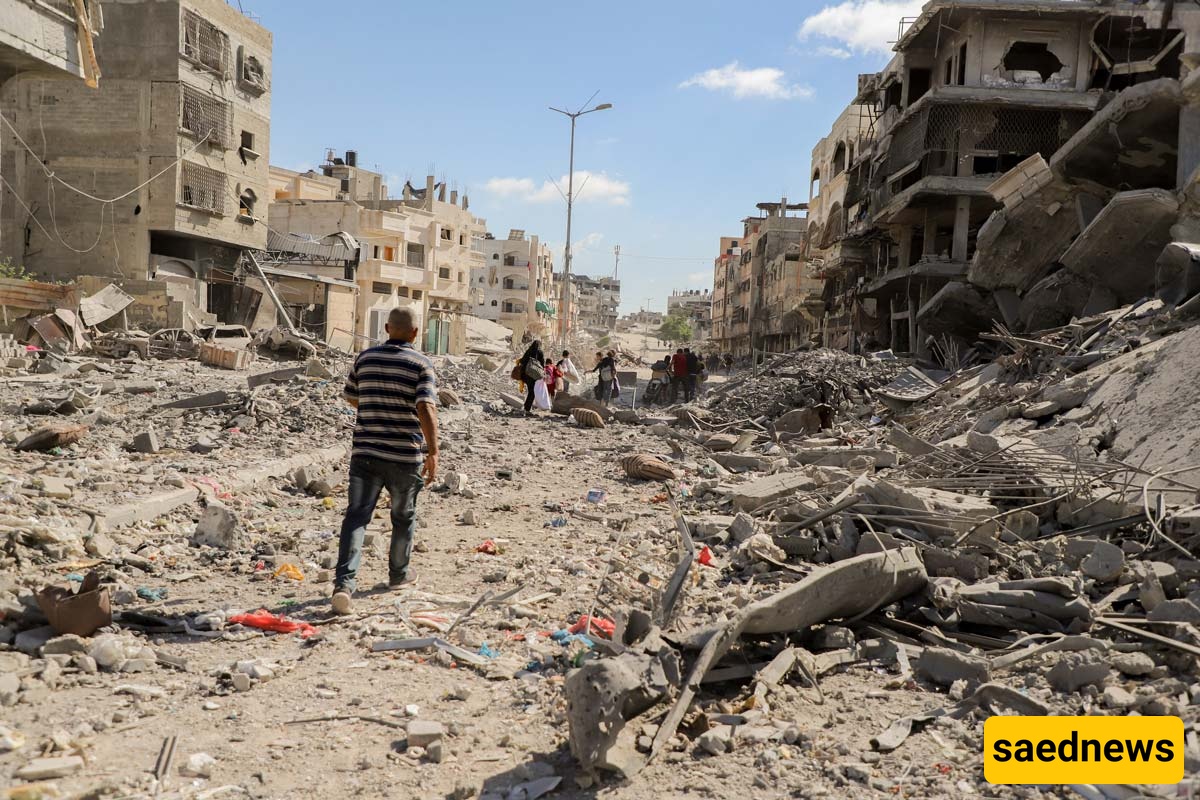
However, amid the lack of clarity and the absence of tangible results from these efforts, Gaza’s residents continue to experience a worsening reality marked by uncertainty and difficult humanitarian conditions.
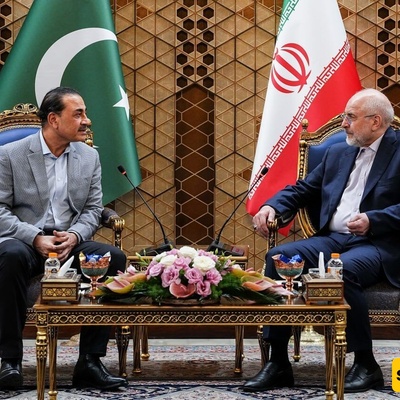
On Sunday, Hamas political bureau chief Khalil al-Hayya and a delegation from the movement’s leadership began a series of meetings with Egyptian officials, including General Hassan Rashad, head of Egypt’s General Intelligence Service, as well as mediators working toward a ceasefire.
At the same time, a diplomatic source told Reuters that Jared Kushner, US President Donald Trump’s envoy, and Nikolay Mladenov, the United Nations coordinator at the so-called Peace Council, met on Sunday in Cairo with mediators from Egypt, Qatar, and Turkey to advance Trump’s Gaza ceasefire plan.
The source said Hamas officials also participated in some of the meetings held by mediators.
Hamas spokesman Hazem Qassem said the meetings with Egyptian officials were part of the movement’s ongoing diplomatic efforts with mediators to inform them about what he described as Israeli violations and attacks, while stressing the need to ensure Israel’s commitment to the agreed roadmap and peace process.
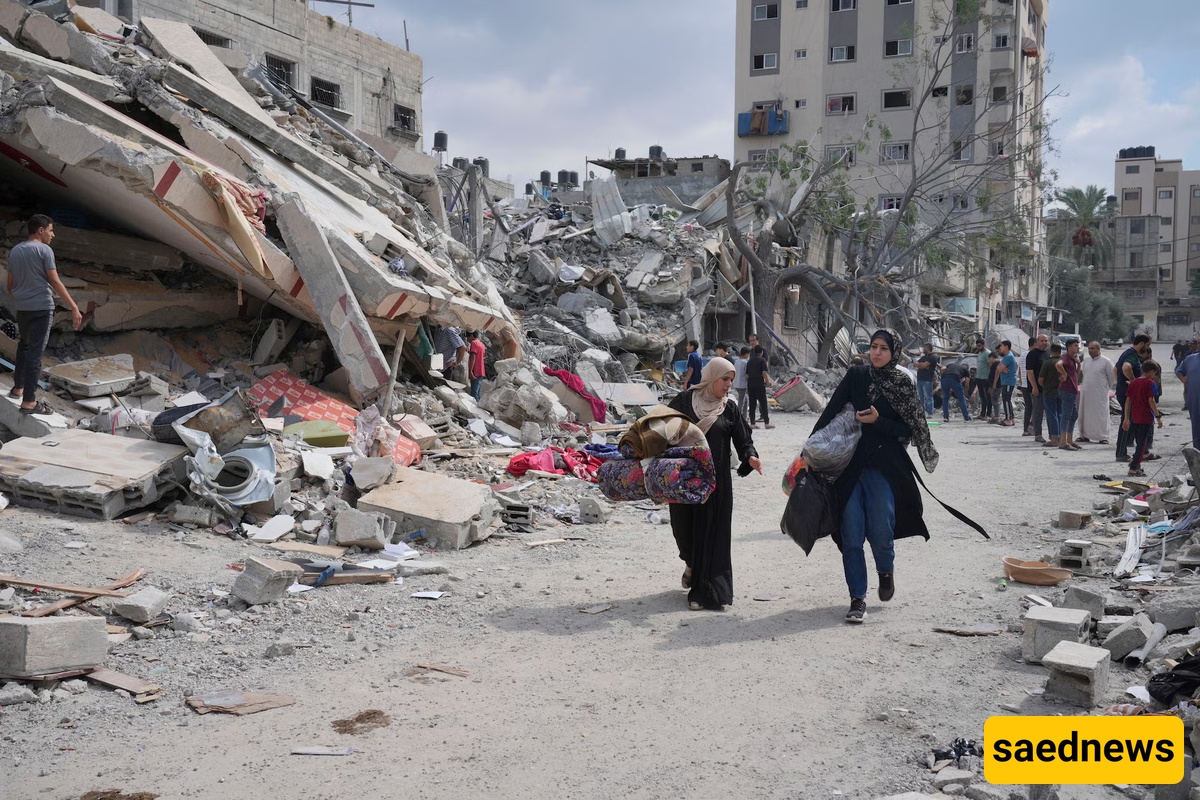
Despite these diplomatic activities and what has been described as a roadmap for completing the Gaza ceasefire, Palestinians in the territory continue to live through severe conditions.
Families who faced flooding and extreme cold in unsafe tents during the winter are now struggling during the summer to find water and shelter from the heat.
Gaza residents are also facing major difficulties accessing basic necessities. The hours of the day under intense temperatures have become another test of endurance for families living in displacement camps.
Tents that are meant to provide minimum protection are unable to withstand the severe heat, leaving children and elderly people in especially difficult conditions.
The humanitarian crisis in Gaza is not limited to living conditions alone. A growing sense of uncertainty about the future has also spread among residents of the territory.
Conflicting reports about the future of Gaza, along with discussions about possible arrangements and developments, have left people in a constant state of waiting without reliable information to help them make decisions about their lives and the future of their families.
Political analyst Sharhabil al-Gharib told Al-Araby Al-Jadeed that recent days have witnessed simultaneous political and diplomatic activity on several fronts in an effort to break the deadlock, particularly after a period of stagnation that disrupted attempts to reach new agreements with the Israeli side.
He said recent actions by Israeli Prime Minister Benjamin Netanyahu and his efforts to disrupt the Gaza ceasefire ahead of the regime’s October elections indicate an attempt to change the course of events.
According to al-Gharib, an escalation of Israeli attacks on Gaza could once again push the situation toward greater confrontation.
The Arab analyst said these developments have cast a dark shadow over the lives of Gaza residents, who are enduring an ongoing humanitarian disaster and continued uncertainty over what comes next.
He added that people are waiting for the crisis to end, for the technocratic committee responsible for aid and support efforts to begin its work, and for tangible progress toward a ceasefire.
Al-Gharib said there are currently no signs of a comprehensive solution for Gaza before the Israeli elections.
He argued that the current stage requires significant political pressure from the United States and the international community on Israel to push it toward implementing the second phase of the Gaza ceasefire agreement, allowing residents to see real signs of a solution.
Political analyst Mohammad Safi said Gaza’s population currently lacks a clear vision for the future due to recent developments and contradictory positions from the involved political parties.
He said residents cannot determine whether they are facing a short transitional period or a new reality that may continue for a long time.
Safi added that the main problem is not only waiting, but also the absence of confirmed information about future plans for Gaza.
He said residents follow reports about negotiations, proposals, and possible agreements but do not know which of them will actually be implemented.
This uncertainty affects every part of daily life, from housing, work, and education to the possibility of returning and rebuilding what the war has destroyed.
The analyst said the number of parties involved in Gaza’s future, combined with the lack of a single clear Palestinian decision, has deepened uncertainty.
He added that Gaza residents genuinely do not know what awaits them, and that with each passing day without a solution, feelings of anxiety, hopelessness, and loss of trust in the future continue to grow.
Safi warned that if the current situation continues, waiting could become a permanent way of life, especially in a society exhausted by war, displacement, and destruction.
He said changing this reality requires an announced political vision and a clear plan for the next phase that would allow people to regain at least a basic level of stability and the ability to plan their lives.
For Palestinians, especially those in Gaza, displacement is no longer only a temporary movement. It has become a long-term way of life amid war and destruction.
As tents deteriorate and supplies run out, displaced families in Gaza continue to organize their lives around minimum needs, while their political, humanitarian, economic, and security futures remain unknown.
Nesma Lulu, a displaced Palestinian woman living with her children in a displacement camp west of Gaza City, said the most exhausting part of their situation is not knowing where they are heading.
She said they have spent a long time living in tents, and whenever they hear reports about a possible return to eastern areas, they become hopeful, only to discover that nothing has changed.
Lulu said her children constantly ask when they will return to their homes, but she does not know what answer to give them.
She added that Israelis want to keep Palestinians in a state of tension, anxiety, and uncertainty until they are eventually forced to leave their land.
According to Lulu, the current situation is unclear and confusing, affecting every aspect of people’s lives.
Mustafa al-Firani, another displaced Gaza resident, was listening to the radio inside his tent at Gaza’s port while trying to understand what upcoming trips to Tel Aviv and Cairo might bring.
He said the hardest thing people in Gaza are experiencing today is not knowing what tomorrow will bring.
Al-Firani said residents hear different reports every day: one day they are told there has been progress, and the next day they hear about worsening conditions or a new wave of displacement.
He said people no longer know what information to believe, so they focus only on surviving the present and meeting their basic needs.
The displaced Palestinian resident added that uncertainty for Gaza’s people is no longer limited to politics or the battlefield.
He said it has entered the details of everyday life, where every decision, even a simple one, is connected to questions about the future, forcing people to constantly wait and see what will happen the next day.