SAEDNEWS: Iranian Parliament Deputy Speaker Hamidreza Haji-Babaei delivered a series of sharp warnings over regional involvement in any potential U.S. attack on Iran, while declaring Tehran’s position on the Strait of Hormuz and criticizing rising prices at home.
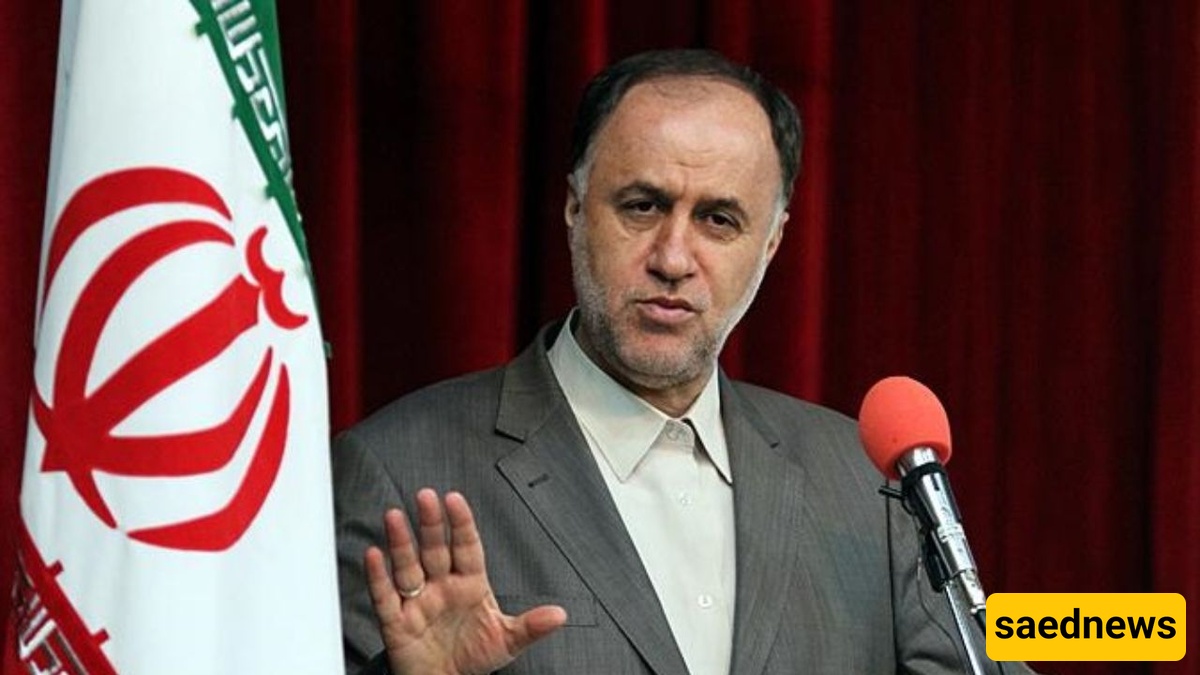
According to SaedNews: Iranian Parliament Deputy Speaker Hamidreza Haji-Babaei has issued one of Tehran’s clearest warnings to countries in the region, saying that any state that helps the United States attack Iran could itself become a target of Iranian missiles.
The statement came during Haji-Babaei’s speech before the Iranian parliament on Sunday, August 9, where he addressed regional security, the Strait of Hormuz, relations with Washington, the war, rising prices and the role of journalists.
Haji-Babaei said Iran was seeking stronger unity among Islamic and regional countries, but he simultaneously drew a firm line over military cooperation with Washington.
His warning, as presented in the speech, was directed not only at the United States and Israel but also at regional countries that might facilitate or support an attack against Iran. He said Iran’s armed forces would not allow the region to be used as a platform for attacks against the country.
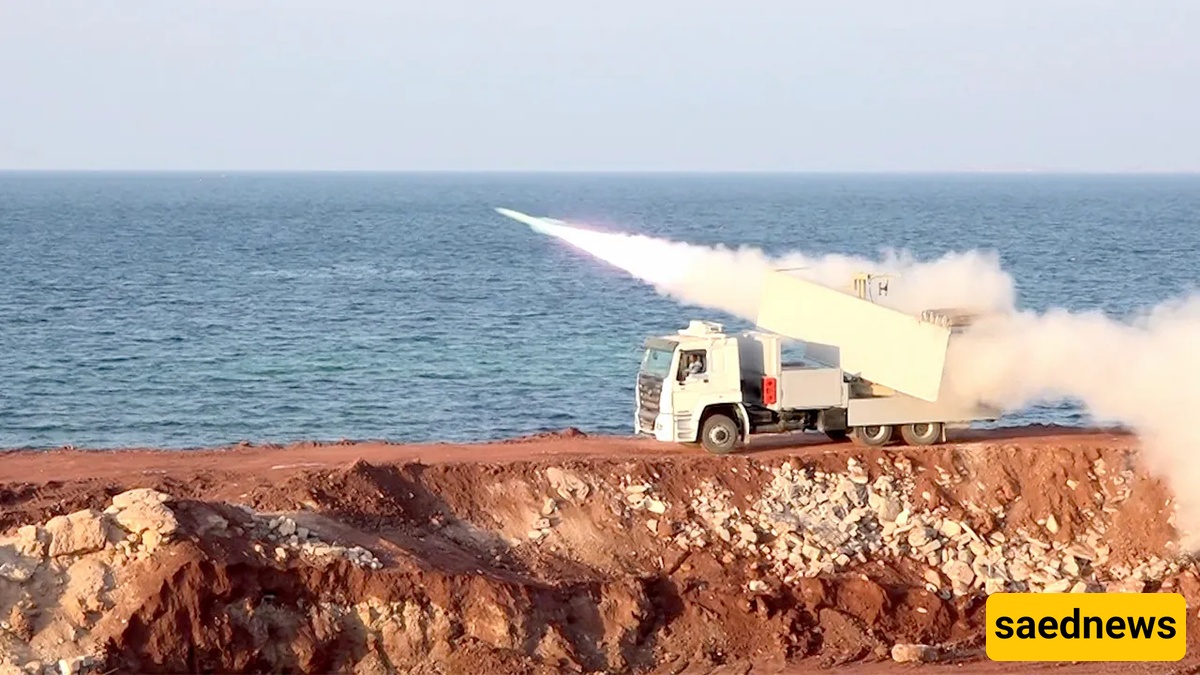
The comments came as the Iranian official placed particular emphasis on the Strait of Hormuz, describing the strategic waterway as an issue that, for various reasons, has become even more significant than the nuclear issue in international discussions.
For Haji-Babaei, the central question is sovereignty.
He said Iran would not accept any proposal or statement that challenged what he described as the Islamic Republic’s authority and management of the Strait of Hormuz. He added that the Iranian parliament was working on legislation intended to clarify and reinforce what Tehran considers its sovereign rights concerning the strategically important waterway.
According to the lawmaker, several parliamentary committees have been developing different proposals, with the aim of reaching a consensus on legislation that would reflect Iran’s position.
The Strait of Hormuz has long been a sensitive issue because of its strategic importance, and Haji-Babaei’s remarks put the waterway at the heart of Iran’s latest political messaging.
Haji-Babaei also said there are currently no negotiations between Iran and the United States. He referred to discussions being pursued between Iran and Oman, but stressed that such contacts should not be conducted under American intervention.
His broader message was one of caution.
According to Haji-Babaei, the United States has demonstrated that it does not deal honestly on any issue, meaning that any engagement with Washington should be approached carefully and with close attention to Iran’s interests.
He also referred to what he described as the strategic guidance of Iran’s leadership concerning relations with the United States and Israel.
The Iranian official further argued that regional agreements could have different consequences depending on their purpose. In his view, agreements designed to confront the United States and Israel could become broad and popular, while arrangements serving the interests of Washington and Israel would only contribute to the escalation of conflict.
He then returned to his strongest warning: Iran would work toward unity among Islamic and regional states, but countries that assist the United States in an attack against Iran, he said, could face Iranian missile strikes.
Haji-Babaei also maintained that Iran’s armed forces would prevent the region from being exploited for attacks against the country and would defend what he described as Iran’s rights.
The speech was not limited to foreign policy and military affairs.
Haji-Babaei also addressed rising prices, urging the government to take action against increases that he said could not be justified by wartime conditions.
He acknowledged that some price increases connected to the war could be understood by the public. But he distinguished those increases from what he described as unjustified inflation unrelated to the conflict.
Those increases, he said, would not be acceptable.
His comments reflected a domestic political concern running alongside the security debate: the impact of conflict on ordinary households.
Haji-Babaei argued that people who had spent around 160 nights in the streets supporting and defending their country should not be expected to bear unjustified increases in the cost of living.
He said public satisfaction should remain a central concern for parliament and that lawmakers were seeking to ensure people could maintain at least basic standards of living.
The deputy speaker also used the session to mark Iran’s Journalists’ Day, praising reporters who, according to his account, had remained on the front lines during the war, provided information, worked to explain developments to the public and confronted what he described as hostile media narratives.
He said parliament would accept responsibility for addressing journalists’ concerns and would follow up on their problems.
Haji-Babaei also praised members of parliament who, during the Arbaeen period, traveled through different parts of the country, remained alongside residents and continued working despite difficult conditions.
His remarks therefore combined a strong external warning with a domestic message: Iran, he argued, intends to defend its regional and national interests while also expecting the government and parliament to respond to economic pressures facing the public.
The most striking element of the speech, however, was undoubtedly his warning to regional countries. By explicitly linking assistance to a potential U.S. attack with the possibility of Iranian missile retaliation, Haji-Babaei placed regional military cooperation at the center of Tehran’s latest security message.
Whether such warnings translate into changes in regional calculations remains a matter for governments across the region. But the message delivered from Iran’s parliament was unmistakably firm: Tehran says it will not accept the use of neighboring territory or regional arrangements to facilitate attacks against Iran.