SAEDNEWS: Finding Peace After Divorce: Healing, Emotional Acceptance, and Rebuilding Your Identity

According to Saednews, Divorce is one of the most emotionally challenging experiences a person can face. It can bring a mixture of grief, anger, guilt, fear, and confusion, sometimes all at once. Many people assume that finding peace after divorce means forgetting the past or no longer experiencing difficult emotions. However, genuine emotional peace does not mean eliminating these feelings. It means learning to live with them, rebuilding your sense of identity, and creating a new life filled with hope, stability, and purpose.
Finding peace after divorce is not an overnight process. It involves several stages, including grieving, acceptance, adjustment, and rebuilding. This article explores what emotional peace after divorce really means, the common obstacles that can stand in the way, and practical steps to restore emotional balance and move forward with confidence.
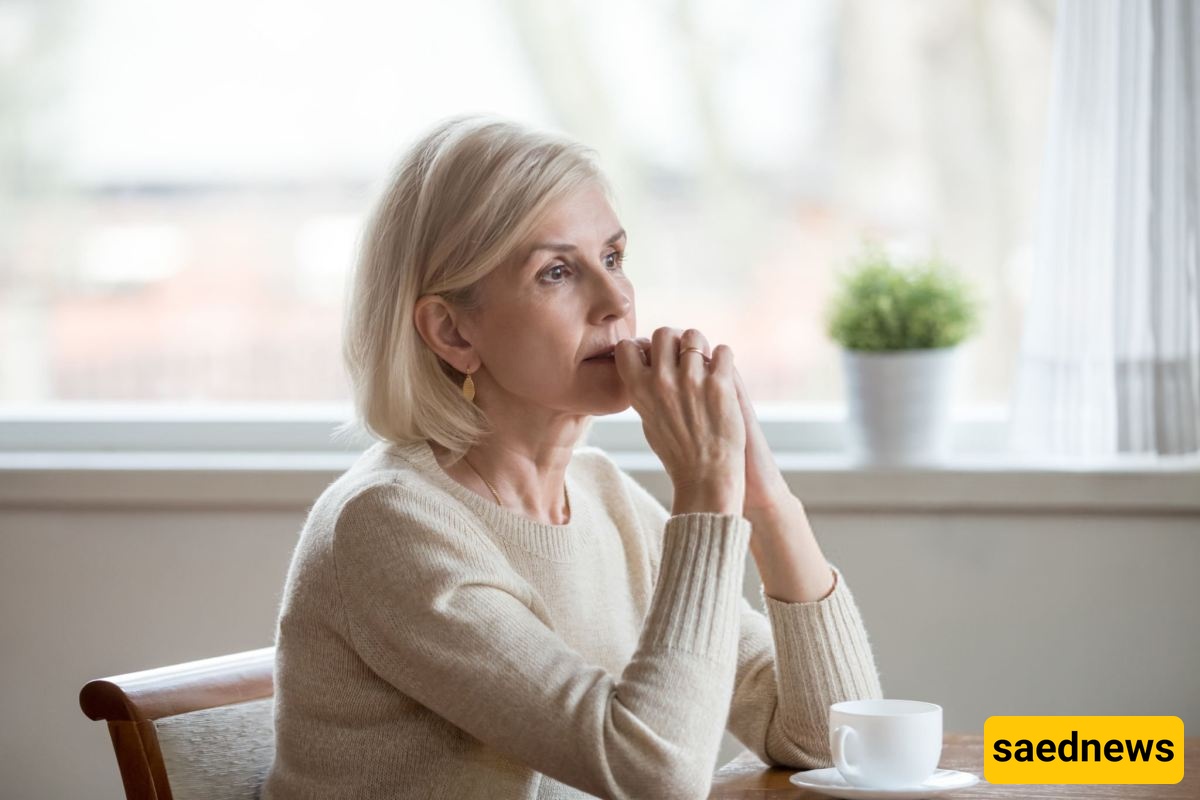
Finding peace after divorce does not mean living without emotional pain. Someone who has reached a healthier emotional state may still revisit memories of the past or feel sadness in certain situations. However, these emotions no longer control their entire life.
Emotional peace after divorce means gradually regaining the ability to make decisions, focus on the present, take responsibility for your personal life, and reduce emotional dependence on a relationship that has ended.
On the other hand, finding peace does not mean denying reality, suppressing emotions, seeking revenge, constantly comparing yourself with others, or immediately entering a new relationship to fill the emotional void.
Although these reactions may provide temporary relief, they can complicate the healing process in the long run.
Divorce is more than the legal ending of a marriage. It also represents the loss of an imagined future, changes in family and social roles, and sometimes a significant shift in personal identity.
For this reason, maintaining emotional well-being after divorce requires time, acceptance, and support.
During this period, individuals may experience insomnia, loss of appetite, difficulty concentrating, mood swings, or a lack of motivation. In many cases, these reactions are part of the adjustment process. However, if symptoms become severe or persist for an extended period, professional support may be necessary.
Social and cultural expectations can also make recovery more difficult. Fear of judgment, concerns about children, family pressure, and feelings of failure may prevent individuals from accepting the divorce and embracing a new chapter in life.
In such circumstances, rebuilding life after divorce requires emotional support, professional counseling, and healthy personal boundaries.
The first step toward finding peace after divorce is accepting that the relationship has ended and that a new chapter has begun.
Acceptance does not mean approving of everything that happened or forgetting the pain you experienced. It means letting go of the constant struggle against a reality that is no longer within your control.
Constantly comparing your life with other couples or with your past can slow down emotional recovery.
Instead of focusing on what you have lost, try asking yourself:
What is still within my control, and what can I do with the opportunities I have today?
This change in perspective creates a foundation for rebuilding your life and finding emotional stability.
Emotions after divorce should not be ignored. Sadness, anger, shame, and fear are natural responses to a major life change.
Continuously suppressing these feelings can contribute to stress, anxiety, and emotional exhaustion.
One helpful technique is learning to identify and name your emotions. For example, you might tell yourself:
"I feel lonely today."
"I became angry after hearing that comment."
"I feel anxious about my future."
Recognizing your emotions creates a healthy distance between you and your feelings, making them easier to manage.
Other helpful practices include journaling, deep breathing, walking, mindfulness exercises, and talking to someone you trust.
If emotional distress begins interfering with your work, sleep, or everyday relationships, consider seeking help from a mental health professional.
After divorce, many familiar daily habits and routines can be disrupted.
Reestablishing a personal routine can help restore a sense of control and stability.
Simple habits involving sleep, nutrition, exercise, and daily responsibilities can help you move away from uncertainty and emotional confusion.
Your routine does not need to be complicated. Even small actions can make a difference, such as:
Waking up at the same time every morning.
Preparing a healthy, simple meal.
Taking a short daily walk.
Organizing one area of your home.
Setting realistic goals for each day.
Small, consistent habits provide a foundation for rebuilding your life after divorce.
Self-care after divorce is not a luxury. It is an essential part of emotional recovery.
Getting enough sleep, eating balanced meals, exercising regularly, and reducing alcohol or tobacco consumption can help regulate your emotions and improve overall well-being.
It is also important to create time for yourself without pressure, unnecessary obligations, or stressful interactions.
Self-care can involve simple activities such as:
Reading a few pages of a book.
Listening to your favorite music.
Taking care of your appearance.
Spending time outdoors.
Joining an educational or recreational class.
Over time, these activities can help restore self-confidence, self-worth, and emotional peace.
Social isolation is one of the major obstacles to emotional recovery after divorce.
Support can come from friends, family members, support groups, or professional counselors.
However, the quality of your support system matters more than the number of people around you.
Spend time with individuals who make you feel safe, respected, and accepted rather than those who judge, criticize, or belittle you.
Establishing healthy boundaries is equally important.
These boundaries may include:
Limiting unnecessary contact with your former spouse.
Protecting your personal space and privacy.
Setting clear expectations for communication with family members.
Avoiding repetitive arguments and emotionally exhausting discussions.
Healthy boundaries are not about disrespecting others. They are about protecting your mental health and preventing further emotional distress.

Sometimes, personal efforts alone are not enough to overcome the emotional challenges of divorce.
Post-divorce counseling can help individuals recognize and manage unhealthy thought patterns, excessive guilt, fear of loneliness, and emotional trauma associated with the relationship.
A qualified therapist can provide support with:
Accepting the end of the marriage.
Managing difficult emotions.
Making decisions about the future.
Rebuilding self-confidence.
Developing healthier relationship patterns.
If you experience persistent depression, severe anxiety, panic attacks, prolonged insomnia, thoughts of self-harm, or difficulty managing everyday responsibilities, do not delay seeking professional help.
Your mental health is one of your most valuable resources when building a new life after divorce.
Divorce often brings significant financial changes.
Creating a realistic financial plan can reduce uncertainty and help restore a sense of security.
Useful steps include:
Listing your income and monthly expenses.
Identifying essential financial priorities.
Developing new professional or career skills.
Seeking advice from a qualified financial professional when necessary.
Financial independence does not necessarily mean becoming wealthy. It means understanding your financial resources, abilities, and limitations.
Having a clearer financial picture can increase your confidence, reduce anxiety, and help you avoid unhealthy dependence on others.
If children are involved, finding peace after divorce also means protecting their emotional well-being.
Children need stability, age-appropriate honesty, and reassurance that they are loved and supported by both parents.
Parents should avoid:
Involving children in adult disagreements.
Speaking negatively about the other parent in front of them.
Using children as messengers between former spouses.
Making children feel responsible for the divorce.
Respectful co-parenting does not mean becoming friends with your former spouse.
It means maintaining clear communication, focusing on the children's needs, and avoiding unnecessary conflict.
This approach can support the emotional well-being of both children and parents.
After divorce, some individuals feel as though they have lost an important part of their identity.
However, rebuilding life after divorce also provides an opportunity to redefine personal goals and rediscover individual interests.
These goals do not have to be dramatic or life-changing. They might include:
Learning a new skill.
Improving your physical and mental health.
Developing healthier friendships.
Pursuing a long-postponed interest.
Exploring new professional opportunities.
Finding meaning after divorce does not always come from making one major decision. Sometimes, it develops through small, consistent actions.
Ask yourself:
What can I do today that will make me feel valued, fulfilled, or proud of myself?
The answer may help you discover a clearer direction toward emotional peace and personal growth.
Several emotional and social challenges can make recovery more difficult.
Some of the most common obstacles include:
Excessive guilt and self-blame.
The desire for revenge.
Fear of loneliness and starting over.
Pressure from family members.
Social judgment and criticism.
Constantly checking your former spouse's social media accounts.
Repeatedly viewing social media profiles connected to your past relationship can interfere with emotional healing.

Limiting this behavior and redirecting your attention toward the present can help reduce unnecessary emotional stress.
Another common response is entering a new relationship immediately to escape the pain of divorce.
However, beginning a new relationship before processing the previous one may lead to repeated unhealthy patterns.
It is often better to first understand your emotions, personal needs, and boundaries before making new romantic commitments.
Recognizing progress can help you understand that emotional recovery is taking place, even when the process feels slow.
Some positive signs include:
Reduced intensity of difficult emotions.
Improved sleep and appetite.
Greater ability to concentrate on everyday responsibilities.
Healthier communication with other people.
Less desire to monitor or control your former spouse.
Increased hope and optimism about the future.
Greater confidence in making independent decisions.
Recovery is rarely a straight line. There may be difficult days when sadness returns or memories become overwhelming. This does not mean you have failed or lost your progress.
However, if you experience severe depression lasting several weeks, persistent anxiety, complete social withdrawal, domestic violence, threats, thoughts of self-harm, or an inability to care for your children, professional help is essential.
Your mental health after divorce deserves the same attention and care as your physical health.
Finding peace after divorce is not about erasing your past or pretending that the pain never existed. It is about accepting what happened, learning from your experiences, rebuilding your identity, and gradually creating a life that reflects your needs and values.
Give yourself permission to grieve, take small steps toward healing, surround yourself with supportive people, and remember that your worth is not defined by the success or failure of your marriage.
Divorce may mark the end of a relationship, but it does not have to mark the end of happiness, personal growth, or meaningful relationships. A new beginning is possible, one step at a time.