SAEDNEWS: CNN says Iran has responded to Donald Trump’s demand for “unconditional surrender” not by backing down, but by taking a tougher position over the Strait of Hormuz. The U.S. network argues that Tehran’s stance reflects its belief that it currently holds an advantage over Washington.
According to SaedNews: Iran appears to be responding to pressure from Washington with a harder negotiating position rather than retreat, according to an analysis published by CNN.
The American news network focused in particular on Tehran’s demands concerning the Strait of Hormuz, describing them as a sign that Iran believes it has greater leverage in its confrontation with the United States.
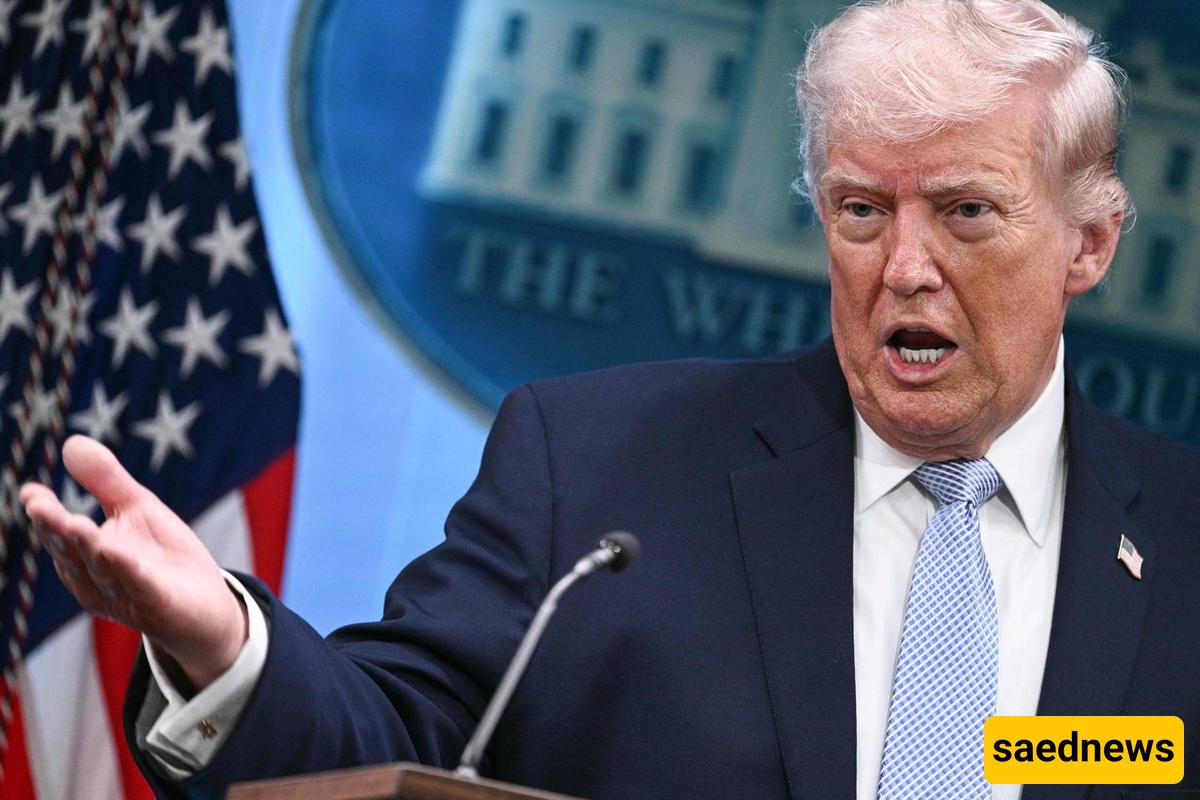
The development comes against the backdrop of strong rhetoric from U.S. President Donald Trump, who had called for Iran’s “unconditional surrender.” Rather than moving toward the outcome demanded by Washington, however, Iran has instead toughened its position over one of the most strategically sensitive waterways in the region.
That contrast is at the heart of CNN’s assessment.
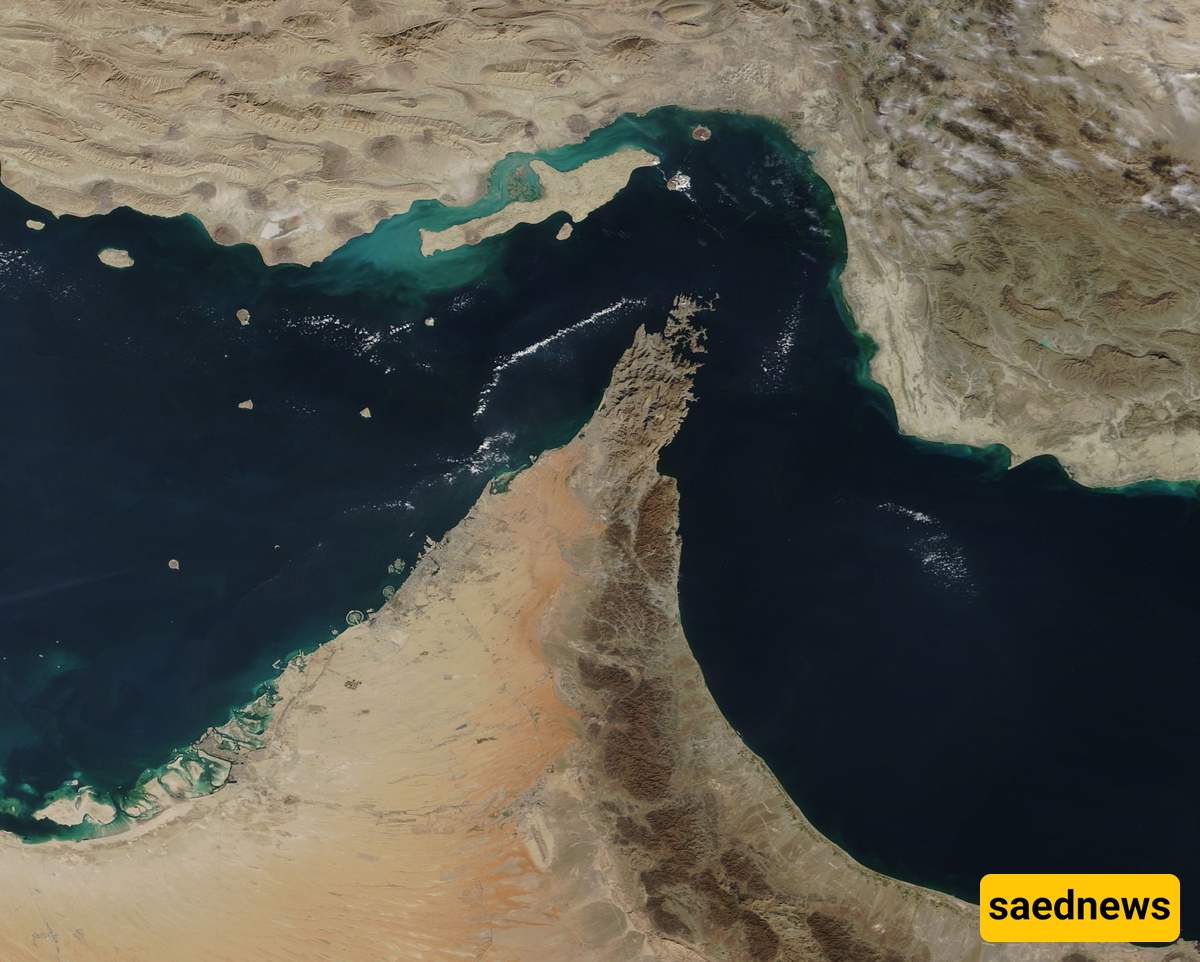
The network’s analysis suggests that Iran’s approach to the Strait of Hormuz is not simply a rhetorical response. It reflects a broader calculation in Tehran about the balance of power and the pressure it can withstand.
The Strait of Hormuz is central to the discussion because of its strategic importance. Any Iranian position concerning the waterway therefore carries significance far beyond a single negotiating demand.
CNN interprets Iran’s tougher stance as evidence that Tehran believes it has the upper hand in dealing with Washington.
That assessment is particularly notable because it comes at a time when the United States has sought to place intense pressure on Iran. Trump’s call for unconditional surrender represented an exceptionally forceful demand, leaving little room in its wording for compromise.
Yet the response described by CNN points in the opposite direction.
Instead of signaling that American pressure has forced Iran to retreat, Tehran’s position over the Strait of Hormuz suggests that Iranian decision-makers believe they still possess meaningful leverage.
CNN identifies one factor that may help explain this perception: Iran’s assessment of U.S. weapons stocks.
According to the network, the reduction in American weapons reserves is among the reasons Iran may feel it is in a stronger position relative to the United States.
The point is significant because military resources can influence how countries calculate the costs and risks of prolonged confrontation. If Tehran believes Washington’s available weapons stocks have been reduced, that could contribute to a perception that the United States faces greater constraints than before.
CNN does not present this as proof that Iran has achieved a decisive advantage. Rather, its analysis highlights the way Tehran may be interpreting the current balance between the two countries.
That distinction matters.
The story is therefore less about a single demand involving Hormuz and more about what that demand may reveal about Iran’s broader strategic thinking.
For Washington, the message is potentially uncomfortable: pressure has not necessarily produced the capitulation Trump demanded. Instead, according to CNN, Iran has responded by making its position more demanding.
The Strait of Hormuz has consequently become an important part of the broader confrontation. Iran’s position there provides a visible measure of how Tehran sees its ability to influence the situation and resist American pressure.
The difference between Trump’s demand and Iran’s response is striking. Washington called for unconditional surrender, while Tehran, as described by CNN, moved toward tougher demands.
That does not automatically establish who ultimately has the stronger position. But it does reveal a sharp disagreement over the current balance of power.
For Iran, the calculation appears to involve more than simply absorbing pressure. The CNN analysis suggests that Tehran believes circumstances, including the reported reduction in U.S. weapons stocks, have strengthened its relative position.
For the United States, that perception could itself become an important factor in any future confrontation or negotiation. If Iran believes it has greater leverage, convincing Tehran to make concessions could become more difficult.
The dispute over the Strait of Hormuz therefore carries a significance that extends beyond the waterway itself. It has become part of a larger contest over pressure, leverage and the ability of each side to shape the other’s decisions.
CNN’s assessment ultimately points to a notable reversal in expectations: instead of Iran moving toward surrender under American pressure, Tehran is presenting a tougher position.
Whether that strategy will translate into lasting leverage remains an open question. But the message described by CNN is clear enough: Iran does not appear to be behaving as though it believes Washington has already forced it into submission.
And that may be the most important part of the story. In a confrontation where both sides are trying to demonstrate strength, Iran’s harder stance over Hormuz suggests that Tehran believes the balance is more favorable to it than Washington might want to acknowledge. The coming developments will show whether that confidence can be sustained.