SAEDNEWS: Iran’s Ambassador to Russia Reveals Details of High-Level Meeting Between Security Chief and Putin
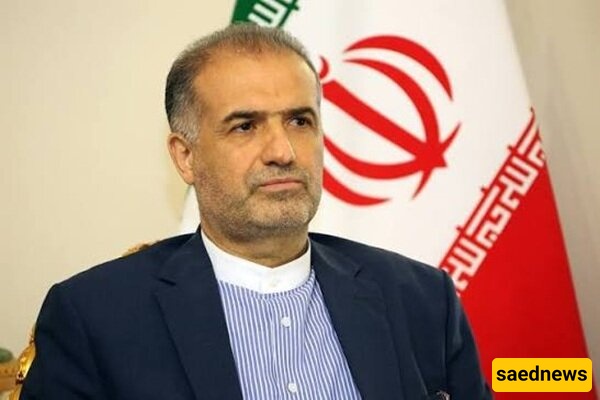
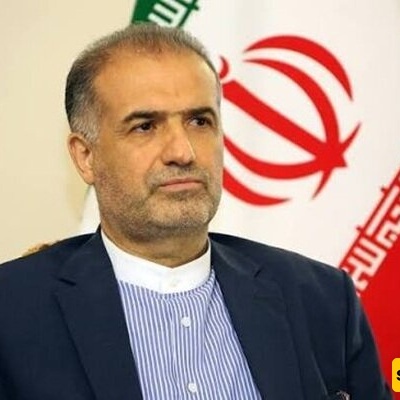
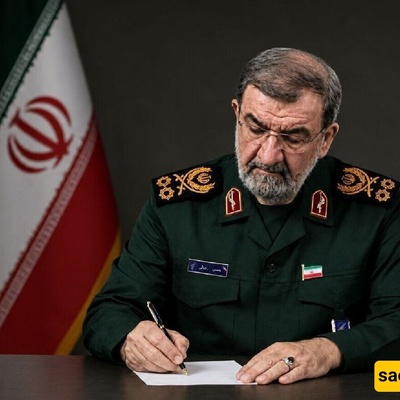
According to Saednews, Kazem Jalali, Iran’s ambassador to Moscow, said in an interview that Rezaei and Russian President Vladimir Putin held a cordial three-hour meeting, during which they discussed the latest developments in bilateral strategic cooperation and high-level relations in a closely coordinated atmosphere.
He stated that Iran’s key decisions to accelerate construction of the Rasht–Astara railway and complete the International North–South Transport Corridor (INSTC) were presented during the meeting.
The Iranian diplomat added that the practical aspects of the strategic project to transfer Russian natural gas to Iran, alongside other areas of mutual cooperation, were discussed in detail. According to Jalali, the talks demonstrated the close alignment of Tehran and Moscow on strengthening bilateral and regional ties.
Jalali said Iran’s firm stance regarding repeated U.S. violations of commitments and the ineffectiveness of direct negotiations without credible guarantees was conveyed during the strategic meeting with the Russian president.
He added that Rezaei referred to the contents of a letter from U.S. Vice President JD Vance and explained Tehran’s response, emphasizing that negotiations alone could never provide a reliable foundation for ending the war. Historical experience, he noted, had shown that Washington had repeatedly used diplomacy as a tool for aggression and violations of its commitments.
According to Jalali, Iran had been targeted by its adversaries at several critical stages of diplomatic engagement, including after U.S. President Donald Trump sent a letter to the late Leader of the Islamic Revolution, during negotiations in Oman, in the Geneva talks following the 12-day war, and after the Islamabad Declaration agreements, while diplomatic efforts were still ongoing.
He further stated that the United States had demonstrated its lack of commitment by disregarding the agreed transit route through the Strait of Hormuz and the Gulf of Oman. Consequently, Iran had declared that Washington's full and unconditional acceptance of seven strategic conditions was an essential prerequisite for any diplomatic initiative.
Jalali added that Russia understood and supported Iran’s firm position that negotiations without implementation of its strategic conditions would be ineffective, particularly given what Tehran described as three documented violations of commitments and two acts of military aggression.
On the nuclear issue, Jalali said Moscow recognized what he described as discriminatory treatment of Iran outside the framework of International Atomic Energy Agency (IAEA) regulations.
He noted that senior Russian officials had repeatedly reaffirmed Iran’s full compliance with its international commitments and condemned attacks against the country’s nuclear facilities.
Regarding the possibility of Iran withdrawing from the Nuclear Non-Proliferation Treaty (NPT), the ambassador said major powers had expressed their own concerns and reservations during discussions, given that part of their international influence was linked to the existing structure of global organizations.
Jalali also highlighted the long history of military cooperation between Iran and Russia, referring to specific defense agreements and emphasizing that security had consistently remained a central subject of bilateral discussions.
He explained that, considering the threats, challenges and opportunities both countries face at regional and international levels, Tehran and Moscow regard coordinated responses to threatening actions as a strategic necessity.
He concluded by noting that consultations aimed at expanding military and defense cooperation between the two countries were continuing at the highest levels.