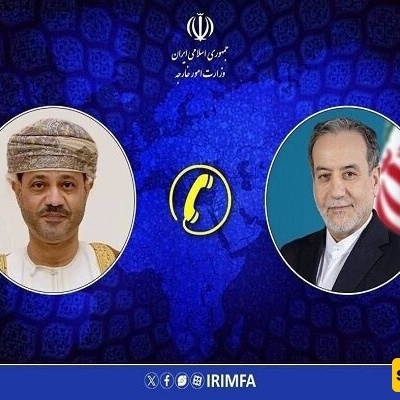
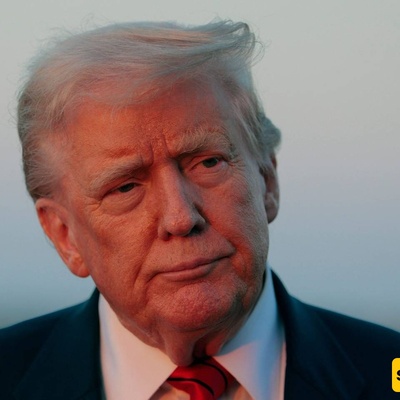
SAEDNEWS: As talk grows of a possible 60-day agreement between Iran and the United States, the Middle East could be on the verge of a major power shift. With Tehran potentially gaining relief from economic pressure, Israel faces a new security challenge. What options does Tel Aviv have as the regional landscape begins to change?
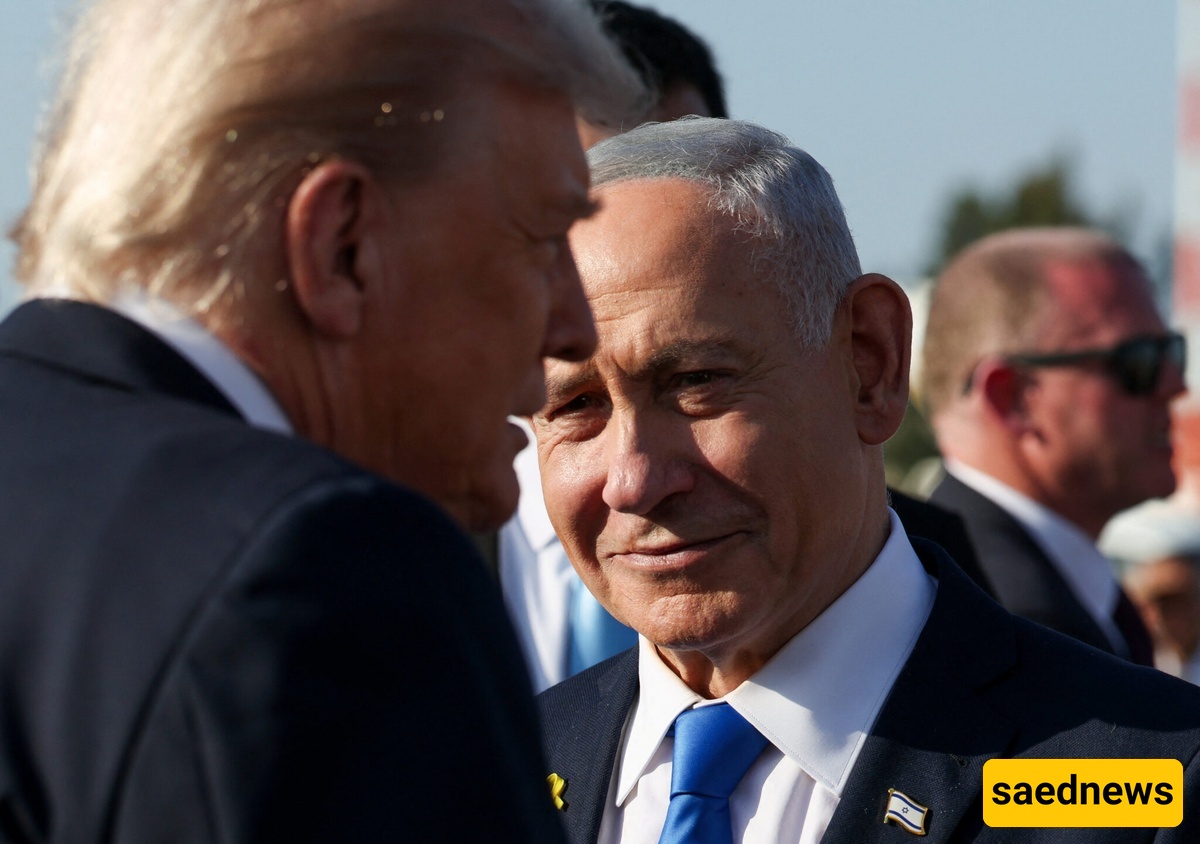
According to Saed News political desk, after months of direct and costly confrontation in the Middle East, emerging signs point to a fragile ceasefire and a 60-day understanding between Tehran and Washington. The primary objectives of this arrangement are to safeguard energy security in the Strait of Hormuz and pave the way for a new round of nuclear negotiations. However, this diplomatic approach—driven largely by the United States’ need for global economic stability—has raised concerns in Tel Aviv.
Israeli officials reportedly view the agreement not as a technical deal, but as a structural shift in the regional balance of power. By easing pressure on Iran, they argue, the arrangement challenges Israel’s doctrine of “maximum deterrence” and could provide Tehran with an opportunity to rebuild its economy and strengthen its regional influence.
In response to this new reality, analysts have outlined six possible scenarios for Israel’s future, ranging from accepting an “imperfect agreement” to facing diplomatic isolation or even pursuing independent military action. The most challenging scenario for Tel Aviv would emerge if Washington fails to provide strong security guarantees, potentially compelling Israel to act unilaterally—a course that could result in increased international isolation.
Ultimately, current indicators suggest that Israel is unlikely to halt the momentum of diplomacy on its own. Instead, it may be forced to adopt a more nuanced strategy, combining intensive lobbying efforts in Washington, covert cyber operations, and the pursuit of new security assurances as alternatives to the riskier approaches of the past.