SAednews: Iranian Foreign Minister Abbas Araqchi highlighted the shortcomings of the US security strategy in the Middle East, saying it has failed to create stability and instead encourages regional tensions.
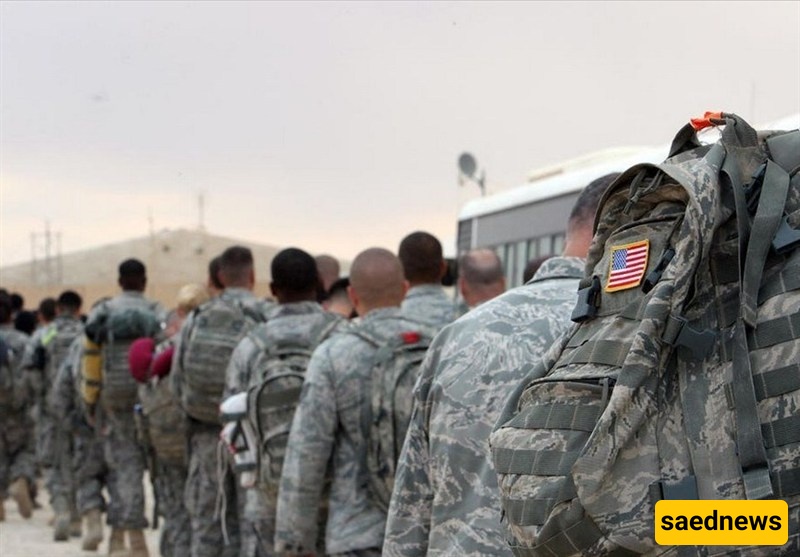
In a post on his X account on Saturday, Iranian Deputy Foreign Minister Seyed Abbas Araqchi lambasted the so-called US security umbrella, calling it ineffective and fraught with vulnerabilities. He urged neighboring countries to prioritize regional unity and remove foreign aggressors posing threats.
“Touted US security umbrella has proven full of holes and invites trouble rather than deterring it. The US is now asking others, even China, to help make Hormuz safe,” Araqchi said.
“Iran calls on brotherly neighbors to expel foreign aggressors, especially as their only concern is Israel,” he added.
Tensions in the Middle East have escalated dramatically following recent aggressive actions by the United States and the Israeli regime against Iran, creating a precarious situation around the strategically vital Strait of Hormuz. This waterway, which facilitates a significant portion of global oil transport, has become a focal point in the region’s crisis.
US President Donald Trump wrote on Truth Social on Saturday that nations “especially those affected by Iran’s attempted closure” of the strait would be sending warships “in conjunction with the United States of America, to keep the Strait open and safe,” mentioning China, France, Japan, South Korea, and the United Kingdom.
Hours later, a spokesperson for the Chinese Embassy in Washington, D.C. told CNN that China seeks an immediate cessation of hostilities, emphasizing that “all parties have the responsibility to ensure stable and unimpeded energy supply.” The embassy further stated, “As a sincere friend and strategic partner of Middle Eastern countries, China will continue to strengthen communication with relevant parties, including parties to the conflict, and play a constructive role for de-escalation and restoration of peace.”
The US and the Israeli regime launched a large-scale, unprovoked military campaign against Iran following the February 28 assassination of the Leader of the Islamic Revolution, Ayatollah Seyed Ali Khamenei, alongside several senior military commanders and civilians. The attacks have involved extensive airstrikes on both military and civilian sites across Iran, causing significant casualties and widespread infrastructure damage.
In response, the Iranian Armed Forces have carried out retaliatory operations, targeting American and Israeli positions in occupied territories and regional bases with waves of missiles and drones.