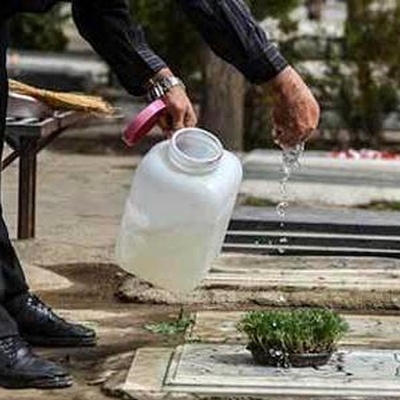
SAEDNEWS: The narrations do not specify a particular reason for pouring water over graves. However, one possible explanation is that the water helps compact and firm the soil, protecting the deceased’s body from being disturbed by animals such as badgers.
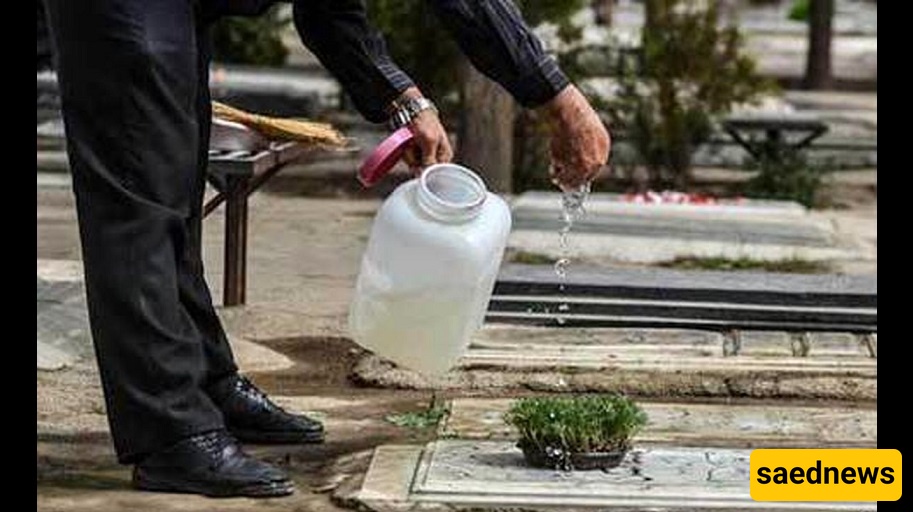
According to Saednews, One of the recommended practices in Islam after burying the deceased is to pour water over the grave. The customary method is to stand facing the Qibla, begin pouring water from the head of the deceased, sprinkle it around the grave, and pour the remaining water in the middle of the grave.
According to narrations attributed to Imam Ja'far al-Sadiq (peace be upon him), pouring water over a grave is considered a recommended religious practice. One narration states:
“As long as the soil of the grave remains moist from the water poured over it, the punishment of the deceased is lifted.”
However, this narration cannot necessarily be regarded as definitively established or universally applicable. It may refer to a particular individual. Nevertheless, the recommended status of pouring water over a grave remains recognized in Islamic jurisprudence.
Several narrations concerning this practice are recorded in Wasa'il al-Shi'a. Their apparent meaning indicates that pouring water over a grave is recommended after the deceased has been buried and the grave has been filled with soil.
Imam Ja'far al-Sadiq (peace be upon him) is reported to have said:
“As long as the soil of the grave remains fresh and moist, the punishment of its occupant is lifted.”
It is also narrated from Imam Ja'far ibn Muhammad, from his father, Imam Muhammad al-Baqir (peace be upon them), that the grave of the Prophet Muhammad (peace and blessings be upon him and his family) was raised approximately one span above the ground, and the Prophet instructed that graves be sprinkled with water.
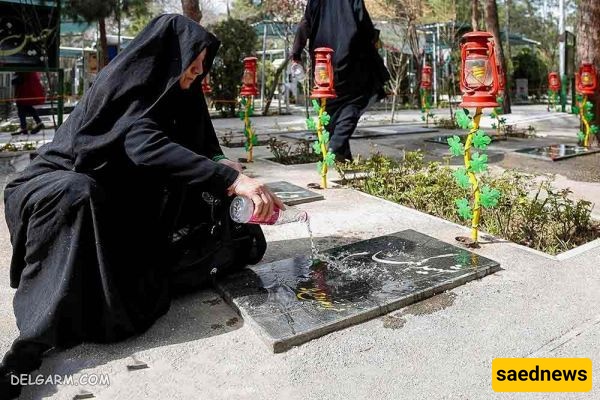
Several reasons are commonly associated with this practice:
Religious tradition: Following narrations that recommend sprinkling water over graves after burial.
Respect for the deceased: Expressing care and reverence for the person who has passed away.
Firming the soil: Moistening the soil may help it settle and become more compact, potentially reducing disturbance by animals.
Cleaning the gravestone: Water can remove dust and make inscriptions easier to read.
Fragrance: Some people wash gravestones with water and rosewater to leave a pleasant fragrance.
The narrations do not explicitly establish all these reasons as the original religious purpose of the practice.
Lighting candles or lamps at graves may have developed from the custom of lighting lamps at religious shrines and the resting places of religious leaders.
According to Bihar al-Anwar, after the death of Imam Muhammad al-Baqir (peace be upon him), Imam Ja'far al-Sadiq (peace be upon him) instructed that a lamp be kept lit in the house where he had lived. Imam Musa al-Kazim (peace be upon him) reportedly continued a similar practice after Imam al-Sadiq's death.
However, these accounts do not necessarily establish a specific religious ruling concerning lighting candles at ordinary graves.
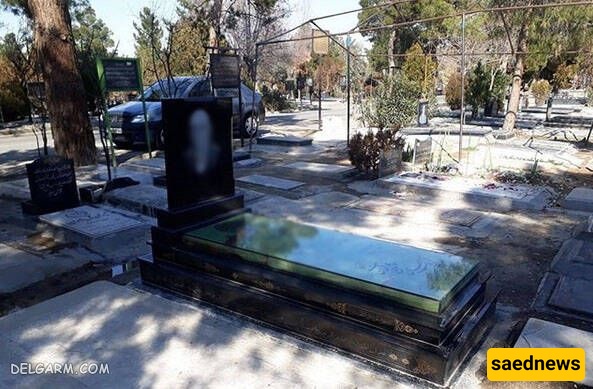
The following practices are commonly recommended when visiting a cemetery:
Maintain cleanliness and personal purity.
Stand facing the deceased when visiting the grave.
Recite as much of the Quran as possible; reciting Surah Ya-Sin and Surah Al-Ikhlas is considered recommended.
Face the Qibla when praying or reciting the Quran for the deceased.
Sprinkle clean water over the grave.
Give charity on behalf of the deceased.
Avoid stepping on or trampling graves.
According to a religious ruling attributed to a Shi'a Islamic authority, pouring water over a grave on the day of burial is recommended. Doing so afterward is also permissible when performed with the intention of carrying out a potentially recommended act (raja'an), meaning in the hope of receiving divine reward without asserting certainty that the act is specifically prescribed for that occasion.
Pouring water over a grave after burial is regarded as a recommended practice in Shi'a Islamic tradition. Narrations attribute spiritual significance to keeping the grave's soil moist, while practical explanations include helping the soil settle and maintaining the grave's appearance. The practice is recommended, but claims that it definitively removes punishment from every deceased person should be treated with caution.