SAEDNEWS: Independent tanker-tracking data contradicts claims by President Donald Trump and US officials that large volumes of oil are moving through the Strait of Hormuz, showing traffic remains well below prewar levels.
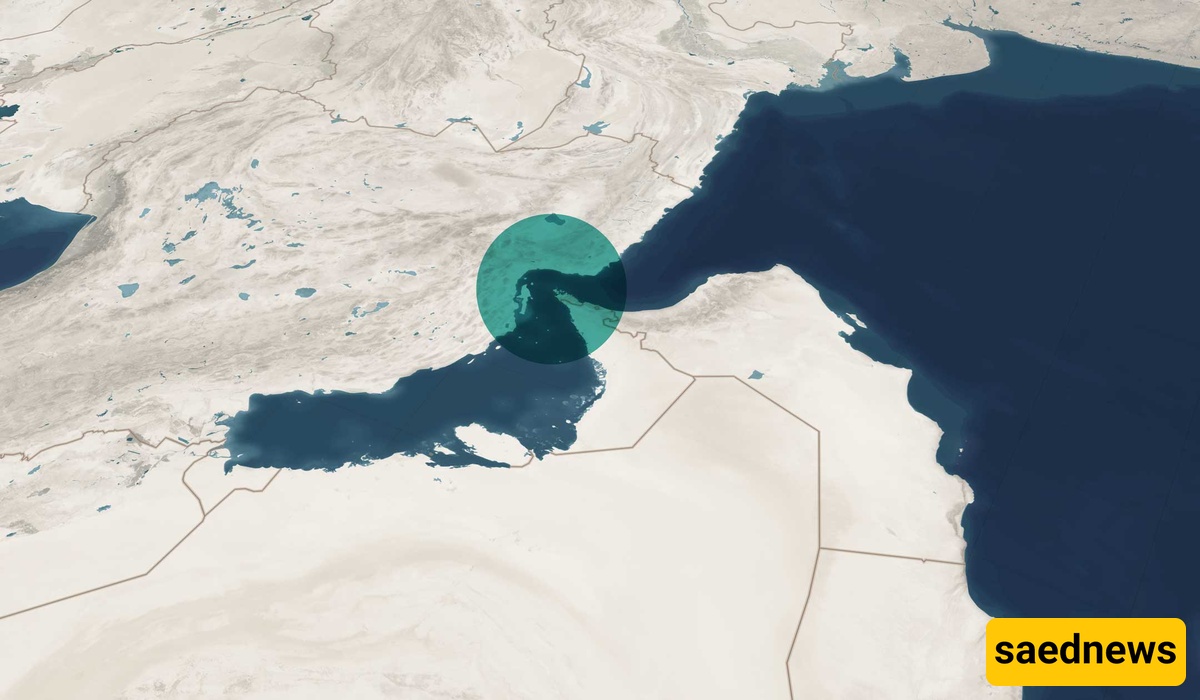
According to SaedNews: Politico reports that President Donald Trump and members of his administration have claimed that large quantities of oil are passing through the Strait of Hormuz and that Washington has full control of the waterway. Independent tanker-tracking companies, however, present a different picture, with traffic still significantly below its prewar level.
1- The disputed figures
The US energy secretary has claimed that nearly 9 million barrels of oil leave the Strait each day. Tanker-tracking companies consider that estimate highly optimistic, putting the figure at roughly 5 to 7 million barrels even under the most favorable assessment.
2- Hormuz remains unusually quiet
Before the war, around 140 vessels crossed the Strait each day. Kpler data shows current traffic remains far below that level, with only a handful of ships passing through on one recent day.
3- Iran still holds leverage
Matt Smith, Kpler’s director of commodity research, says tankers that actually transit Hormuz are largely using Iranian waters. In his assessment, this indicates that Iran continues to retain significant leverage and control over traffic through the Strait.
4- The market remains unconvinced
Washington’s claims of rising oil flows have failed to convince the market. Oil prices climbed after new claims emerged about tankers secretly moving through Hormuz, with Brent crude approaching $90 a barrel.
5- Hidden traffic
Part of the statistical discrepancy is linked to vessels switching off identification systems and the rise in so-called “dark traffic,” making ships harder to track. Specialized tracking firms nevertheless say they have updated their methods in recent months to adapt to the new conditions.
6- The “Schrödinger’s Strait”
Uncertainty over the actual volume of oil crossing Hormuz has become so pronounced that one executive at the American Petroleum Institute sarcastically described the situation as a “Schrödinger’s Strait”—a waterway that, until measured, can apparently be considered open and closed at the same time.
7- Bottom line
Tanker-movement data offers a markedly different picture from the Trump administration’s optimistic account of Hormuz. The gap suggests that claims of oil flows returning to normal still do not match conditions on the ground or market behavior.