The 40-day baby bath is a powerful family ritual — but religious texts don’t back it; here’s what actually matters for faith and health.

The 40-day birth bath (often called the 40th-day ritual for mother and newborn) has long been practiced in many cultures and communities. The ritual has no firm basis in religious law and can encourage superstitions that should be avoided.
At-a-glance | Details |
|---|---|
Article type | Guidance: religious ruling and cultural practice |
Estimated reading time | 3 minutes (original) |
Core claim | The 40-day ritual bath has no solid basis in primary religious sources. |
Key prescription | Follow required postnatal cleansing (ghusl-nifas) and medical advice; avoid superstitious practices. |
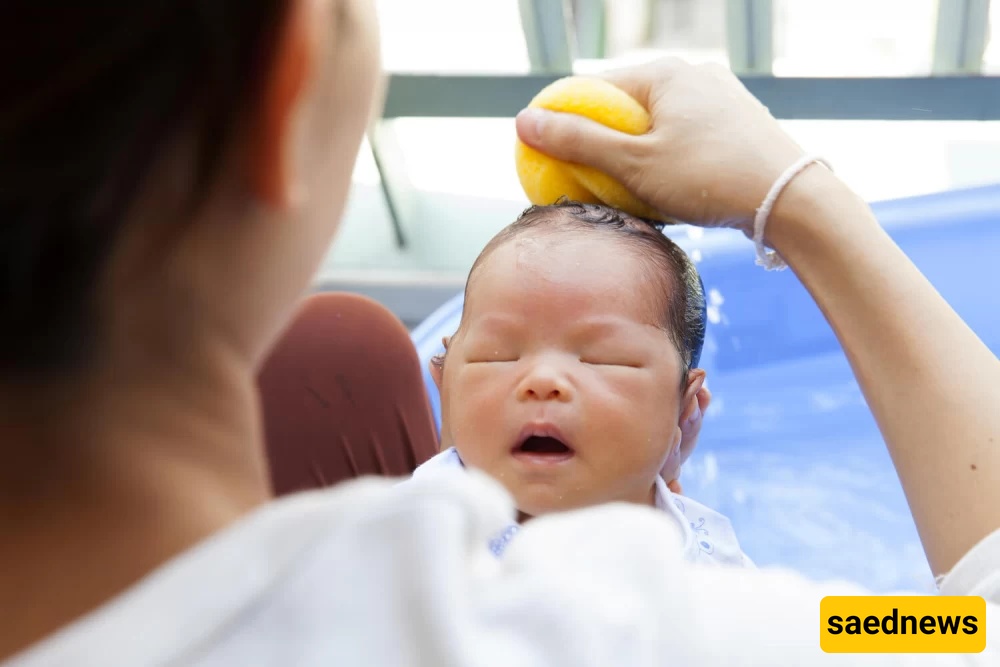
On the 40th day after birth, the custom described in many families is to recite the four “Qul” (named in the original description as: Tās, Al-Falaq, Al-Kafirun and Al-Tawhid), then pour water over the newborn’s head seven times with the intention of health, and finally burn “esfand” (a type of incense). Many people believe this bath brings health benefits for mother and child. From a religious perspective, however, this ritual has no strong foundation.
Reason | Explanation |
|---|---|
Not mentioned in religious sources | The ritual is not mentioned in the Quran or in the authenticated traditions of the Ahl al-Bayt as a required practice. |
The obligatory postnatal bath is different | The only mandatory bath for the mother after childbirth in religious law is the ghusl-nifas, which is required once postpartum bleeding has ceased. |
Newborns are ritually pure | From a jurisprudential standpoint, newborns are considered ritually pure at birth and do not require a special religious bath. |
Reason | Explanation |
|---|---|
Old inherited beliefs | Many such customs are passed down through generations as family or cultural traditions. |
Symbolic value of forty | The number forty often carries cultural significance in many societies and is given special weight. |
Emphasis on cleanliness | Concern for postpartum cleanliness and care likely encouraged rituals centered on washing and purification. |
The only religiously required bath after childbirth is the ghusl-nifas (postnatal bathing) once bleeding has stopped.
Recommendation | Explanation |
|---|---|
Avoid superstitions | Prefer religiously grounded practices and avoid unfounded rituals that may encourage superstition. |
Attend to hygiene | The primary postnatal concern should be personal and environmental hygiene. |
Consult a physician | For health questions about the mother or newborn, ask a medical professional. |
In the end, choosing whether to perform the 40-day ritual bath is a personal decision. It is preferable that the decision be informed by religious sources and scientific/medical guidance.
Practical Tips
Tip | |
|---|---|
Prefer religiously supported practices over customs | “The 40-day bath has no firm basis in religious sources.” |
Focus on hygiene and medical care after childbirth | “The most important point after childbirth is attention to personal and environmental hygiene.” |
Consult a doctor for any health concerns | “For any questions or concerns about health, be sure to consult your doctor.” |
Avoid superstition; base choices on faith and science | “It is better that this decision be based on religious and scientific beliefs.” |
If unsure, consult a qualified professional | (Article advises consulting physicians — apply professional advice for health matters.) |