SAEDNEWS: Uganda’s unusual custom of beating women before Iftar has shocked social media. Stay with SaedNews for more.
According to SAEDNEWS: Sometimes, in some countries, strange customs exist among the people that astonish neighboring countries; in a tribe called Lango in Uganda, there is a bizarre and inhumane custom of beating women before Iftar, which has drawn criticism from people all over the world.
The strange habit of Muslim people in Uganda during the month of Ramadan has amazed social media users. According to this custom, men of the Lango tribe beat their wives before Iftar. After being beaten, the women prepare the Iftar meal!
Country: Uganda
The strange habit of Muslim people in Uganda during Ramadan has surprised social media users. According to this custom, men of the Lango tribe beat their wives before Iftar. Then, after being beaten, the woman prepares the Iftar.
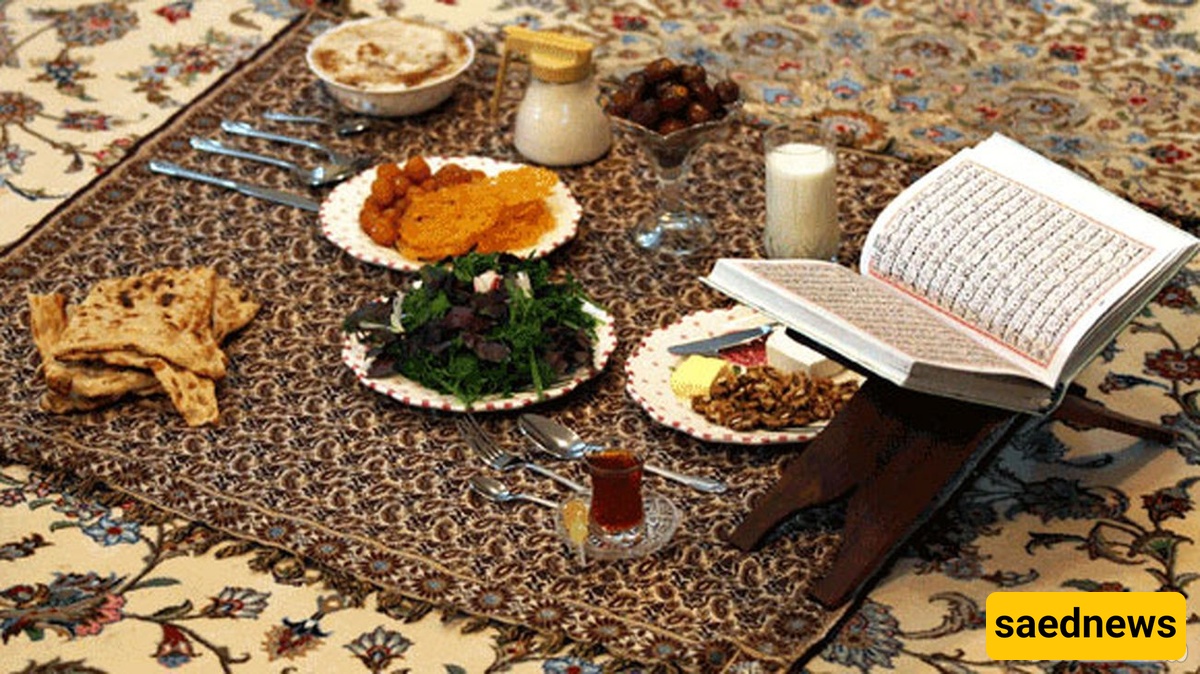
Another strange custom in this country is that at sunset, children call the elders of each household to Iftar at the house of Mokhtar, the tribal chief. It is worth mentioning that the Iftar table is only set up in mosques.
In Uganda, there is no one who wakes people for Suhoor by beating drums, but people celebrate with drums in the streets and decorate the streets.

Uganda was established as a British protectorate in 1894, initially as a powerful kingdom. Uganda gained independence from Great Britain in 1962 and declared itself a republic.
Uganda’s political system is a republic with a legislative parliament.
Museveni, commander of the National Resistance Army who took power in 1986, is the president.
He appoints the prime minister and other ministers, and the National Resistance Council, with 278 members, plays an advisory role. It consists of 210 members indirectly elected and 68 members appointed by the president.
Violence Against Women in the Quran
In the first part, the most important Quranic evidence opposing violence against women has been analyzed, focusing on verses about good conduct, negation of harm, refusal of intercourse (ʿiḍḍah), slander, abstaining from the house, infanticide (wa’d), and inheritance rights of women. The results show that the Holy Quran never approves sexual violence against women; rather, it strongly condemns and rebukes it in multiple instances.
The only verse that at first glance might appear to support violence is the verse about disobedient wives (Ayat of Nashuz), which is discussed in the second part. Upon closer examination of the conditions and circumstances under which striking the disobedient wife is prescribed, it becomes clear that this is not sexual violence but a legal punishment. The husband, not as a husband but as an executor of law, applies this under specific conditions to correct the wife's disobedience with minimal harm. If these conditions are not met, the husband's action is forbidden, considered a crime, and may result in legal consequences.
God created humans as male and female, each endowed with special traits and qualities to achieve spiritual perfection through good deeds and faith, and to develop their talents by following the straight path.
Islam does not consider superiority based on gender but on sincere faith, righteous deeds, and fulfilling divine duties, and it does not leave even the smallest good deed unrewarded.
The Quran states:
"All men and women who believe, all men and women who are devout, all men and women who are truthful, all men and women who are patient, all men and women who humble themselves, all men and women who give charity, all men and women who fast, all men and women who guard their chastity, and all men and women who remember God often—God has prepared forgiveness and a great reward for all of them."