SAEDNEWS: Healthy Hair Starts with Proper Nutrition and Care: This article explores the science-backed benefits of celery for hair, including its nutritional value, topical applications, potential risks, and common myths.
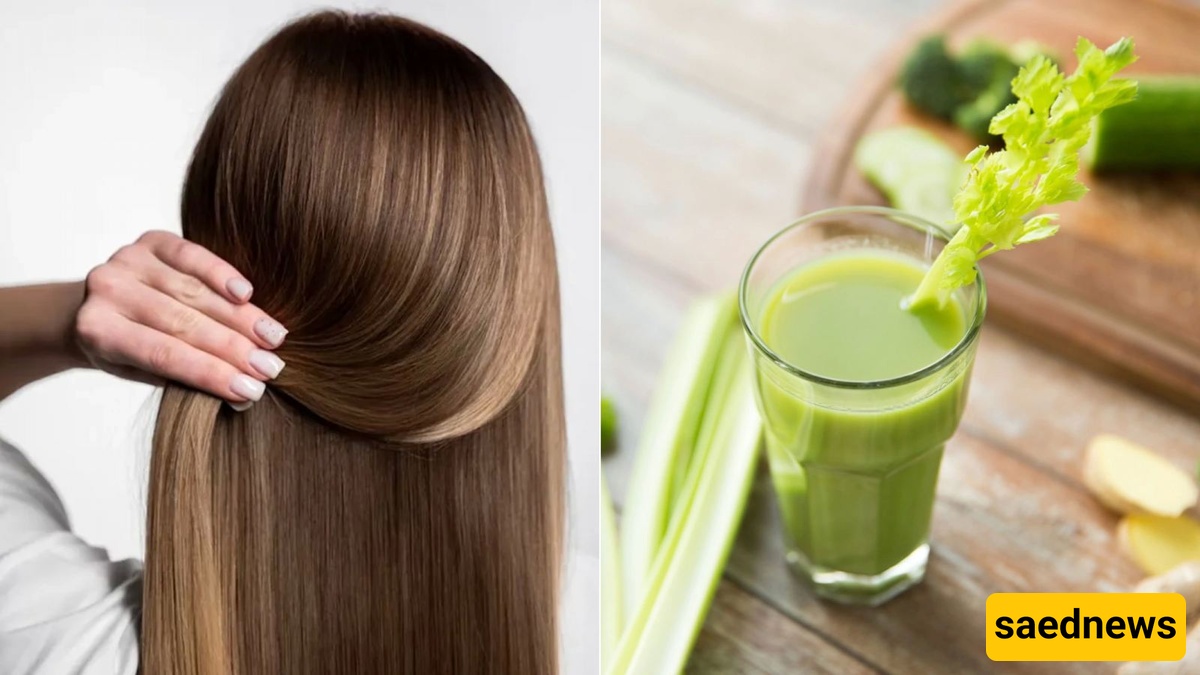
According to Saednews, Healthy hair is the result of a combination of internal and external factors, ranging from nutrition and hormonal balance to daily hair care and genetics. Among the natural ingredients recommended for hair health, celery has gained particular attention. This low-calorie, water-rich vegetable contains a variety of nutrients that have made it a popular addition to hair and scalp care routines.
Celery juice contains several beneficial compounds that may contribute to hair and scalp health in different ways:
Vitamin C: Essential for collagen production, which helps maintain hair strength and elasticity.
Vitamin A (beta-carotene): Helps regulate sebum production and supports scalp cell renewal.
Vitamin K: Plays a role in blood vessel health and blood clotting.
Folate and B vitamins: Essential for cell division and tissue growth.
Potassium, calcium, magnesium, and phosphorus: Support enzyme function and electrolyte balance.
Flavonoids such as apigenin and luteolin: Plant compounds with antioxidant and anti-inflammatory properties.
Fiber: Supports digestive health and helps maintain overall nutritional balance.
Plant-based fatty acids and aromatic volatile compounds: Also found in celery extracts and seeds.
According to data published in the US Department of Agriculture's FoodData Central database, one cup of chopped celery contains approximately 16 calories, a significant amount of vitamin K, and smaller amounts of vitamin C, folate, and potassium. This simple nutritional profile makes celery an affordable and accessible dietary option for people seeking to support hair health through nutrition.
Hair follicles are among the body's tissues that depend heavily on blood circulation and an adequate supply of nutrients. During the growth phase, known as anagen, each follicle requires oxygen, amino acids, vitamins, and minerals. Chronic nutrient deficiencies can disrupt the hair growth cycle and push hairs into the resting phase, known as telogen, potentially resulting in hair shedding.
Studies published in specialist journals, including the International Journal of Trichology, have reported associations between hair loss or hair thinning and deficiencies in iron, zinc, vitamin D, folate, and B vitamins.
As a low-calorie, water-rich vegetable, celery can contribute to meeting some nutritional needs. However, it is important to emphasize that celery is not a substitute for medical treatment. As part of a balanced diet, it may help support overall hair health.
Healthy blood circulation in the scalp is essential for delivering oxygen and nutrients to hair follicles. Naturally occurring nitrates in vegetables such as celery can be converted into nitric oxide in the body. This compound helps widen blood vessels and improve blood flow.
In theory, improved circulation may support nutrient delivery to hair roots. However, any potential benefit would depend on overall dietary habits and other factors, and there is insufficient evidence that eating celery directly improves hair growth.
Chronic scalp inflammation may contribute to hair shedding, dandruff, itching, and redness. Celery contains apigenin and luteolin, two flavonoids whose anti-inflammatory properties have been investigated in laboratory studies.
Applying celery juice or celery-based hair masks to the scalp may feel soothing for some people, although there is limited clinical evidence supporting these uses. People with sensitive skin should perform a patch test before applying celery juice to the scalp.
Free radicals and oxidative stress may contribute to premature aging of hair follicles and changes in hair quality. Celery contains antioxidants that may help counter oxidative damage.
Maintaining an adequate intake of antioxidants as part of a balanced diet supports general health. However, it has not been established that celery specifically prevents hair thinning or increases hair density in humans.
Dehydration may contribute to overall dryness and can affect the condition of the hair and scalp. Celery contains more than 90% water, and eating it regularly can contribute to daily fluid intake.
Adequate hydration supports normal bodily functions, although drinking celery juice alone has not been proven to improve hair elasticity or prevent breakage. Hair dryness and brittleness are also influenced by hair care practices, environmental exposure, and chemical treatments.
Vitamin C in celery is essential for collagen synthesis. Collagen is an important structural protein in the body and contributes to the health of the skin and connective tissues surrounding hair follicles.
A vitamin C deficiency can affect tissue health, and severe deficiency may be associated with hair abnormalities. Including celery in a varied diet can contribute to vitamin C intake, although celery alone is not a major source of this vitamin.
Vitamin A and other nutrients play roles in maintaining normal skin function. Sebum, the natural oil produced by the scalp's sebaceous glands, helps protect the skin and hair.
Both excessive oiliness and dryness can cause scalp discomfort. A balanced diet that provides adequate nutrients may support scalp health, but there is no strong evidence that celery specifically regulates sebum production or prevents blocked hair follicles.
Some cases of hair loss are associated with nutritional deficiencies, including inadequate intake of iron, zinc, and certain vitamins. Celery provides folate and small amounts of several minerals.
Although celery cannot correct significant nutrient deficiencies on its own, it can contribute to a varied and balanced diet. If hair loss is caused by a deficiency, identifying and treating the underlying problem is more important than relying on a single food.
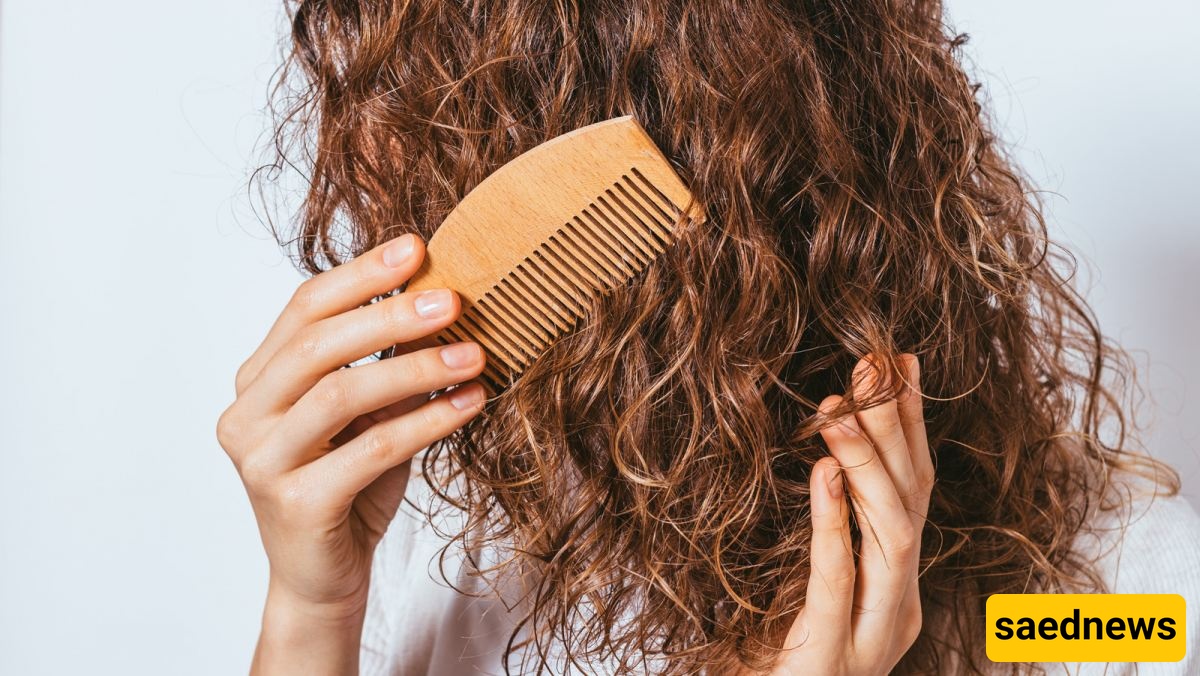
The water and plant compounds in celery may be incorporated into homemade hair care products intended to improve the appearance of hair.
Applying celery juice as a final rinse or as part of a hair mask may temporarily make hair feel softer for some people. However, there is limited scientific evidence that celery juice improves hair shine, reduces frizz, or provides lasting conditioning benefits.
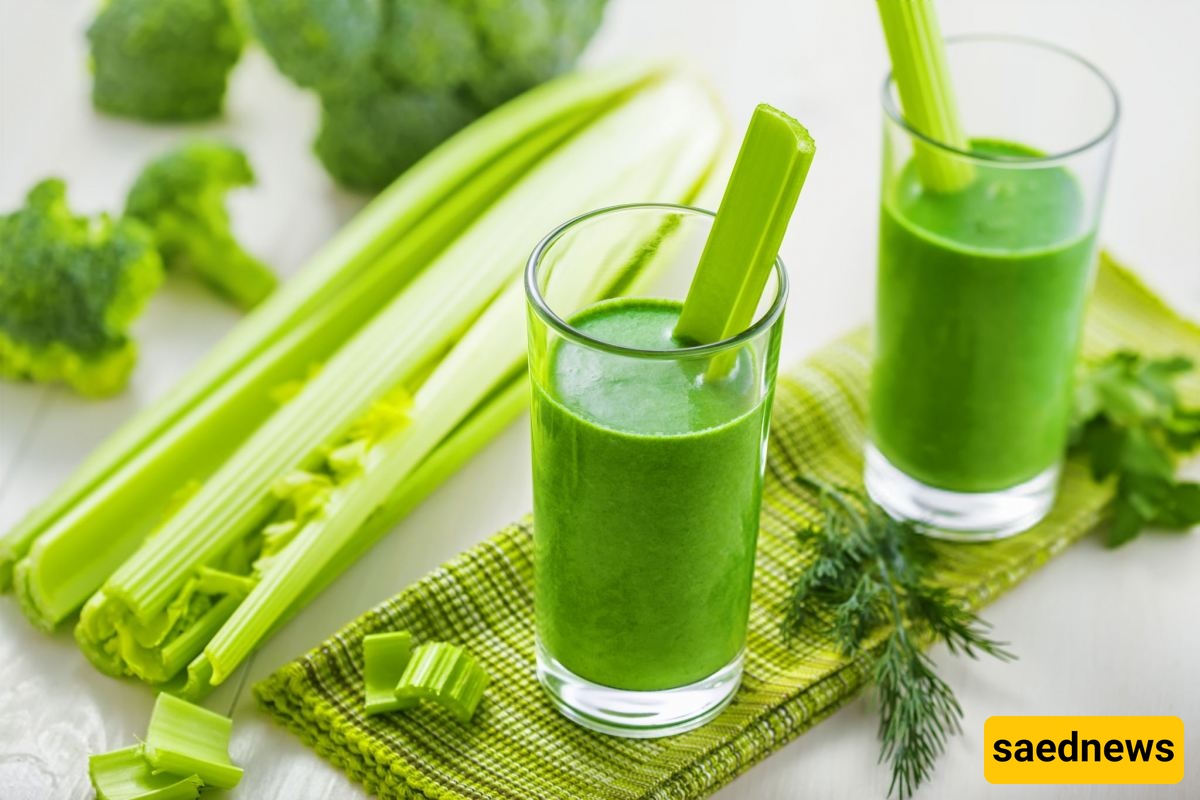
Celery juice is one of the most popular ways to consume this vegetable.
To prepare it, wash several fresh celery stalks thoroughly and cut them into small pieces. Blend them with a little cold water or process them in a juicer. Strain the mixture if you prefer a smoother juice without pulp.
Fresh celery juice is best consumed soon after preparation. If you need to store it, refrigerate it promptly in a clean, sealed container and consume it within a short period.
Drinking it: A glass of celery juice in the morning or after exercise can contribute to fluid intake and provide some nutrients.
Scalp toner: Apply a small amount of celery juice to the scalp with a cotton pad, leave it on for approximately 15 minutes, and rinse with cool water. Evidence supporting this method is limited.
Hair spray: Place celery juice in a clean spray bottle and lightly apply it to damp hair. Its benefits for softness and shine have not been scientifically established.
Combining it with other ingredients: Celery juice can be mixed with ingredients such as aloe vera gel or honey for a homemade hair mask. Avoid adding lemon juice to the scalp, as it may cause irritation.
Fresh homemade mixtures can become contaminated, so prepare them in small quantities and discard leftovers rather than storing them for extended periods.
One simple way to experiment with celery in a hair care routine is to use it in a homemade mask.
2 tablespoons of fresh celery juice
1 tablespoon of plain yogurt, or Greek yogurt for a thicker consistency
1 teaspoon of honey
A few drops of coconut oil or jojoba oil, optional for very dry hair
Mix all the ingredients thoroughly in a clean glass bowl until smooth.
Dampen your hair with lukewarm water.
Apply the mixture gently to your hair and scalp, avoiding the eyes.
Massage the scalp with gentle circular movements for two to three minutes, without scratching.
Cover your hair with a shower cap or a warm towel and leave the mask on for 20–30 minutes.
Rinse thoroughly with lukewarm water and use a small amount of mild shampoo if needed.
If the mixture suits your hair and skin, you may use it occasionally. There is no established clinical evidence that applying this mask once or twice a week for four weeks promotes hair growth or prevents hair loss. Stop using it if you experience itching, redness, or irritation.
Hair loss has many possible causes, including genetics, hormonal changes, stress, anemia, nutritional deficiencies, thyroid disorders, and certain medications.
Celery may provide nutritional support as part of a balanced diet, particularly when overall dietary quality needs improvement. Some plant flavonoids have shown biological effects in laboratory research, and studies published in journals such as the Journal of Cosmetic Dermatology and Phytotherapy Research have investigated plant-derived compounds in relation to hair and skin health. However, findings from laboratory studies do not necessarily translate into proven clinical benefits in humans, and they should not be interpreted as evidence that celery itself stimulates hair regrowth.
If you experience severe, sudden, or patchy hair loss, consult a dermatologist. Depending on your symptoms and medical history, blood tests may help identify underlying causes such as iron deficiency or thyroid dysfunction.
Celery can be a useful part of a nutritious diet, but it is not a proven treatment for hair loss and cannot replace medical evaluation or evidence-based treatment.
Celery provides water, vitamin K, folate, small amounts of other vitamins and minerals, and plant compounds with antioxidant properties. Including it in a balanced diet can support general health and contribute to adequate nutrient intake.
However, there is currently insufficient clinical evidence that eating celery, drinking celery juice, or applying celery-based hair masks directly stimulates hair growth, prevents hereditary hair loss, or increases hair density.
For healthier hair, focus on a balanced diet, adequate protein intake, appropriate hair care, and identifying any underlying medical or nutritional causes of hair loss.