SAEDNEWS: Shiraz is one of Iran’s ancient and historically significant provinces, with a long-standing tradition of handicrafts. Over the years, various traditional crafts have been registered in the province, the most notable of which include…
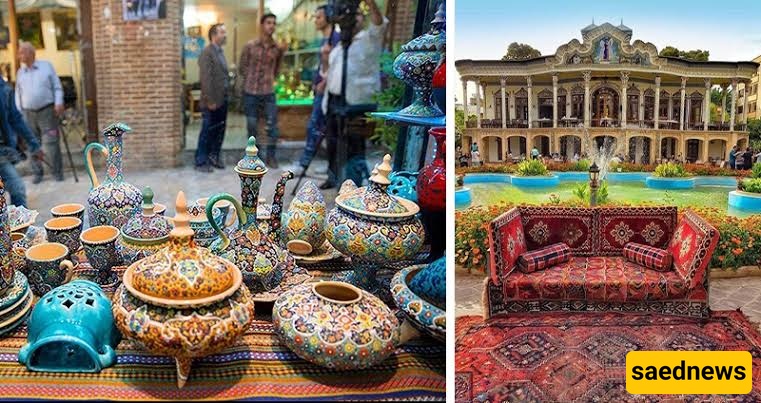
According to Saednews, Shiraz, one of Iran’s most important and frequently visited cities, is located in the heart of Fars Province. Every year, the city welcomes thousands of domestic and international tourists. Shiraz is renowned for its long-standing traditions in many fields, particularly culture, tourism, and handicrafts.
Traveling to this historic and well-known city offers visitors the opportunity to create unforgettable memories while discovering a wide variety of traditional crafts and souvenirs. The diversity of handmade products makes it easy to find gifts for almost every taste. However, choosing the right souvenirs requires some familiarity with the traditional arts and crafts of the region. Shiraz is home to a remarkable collection of artistic traditions, many of which have been passed down through generations.
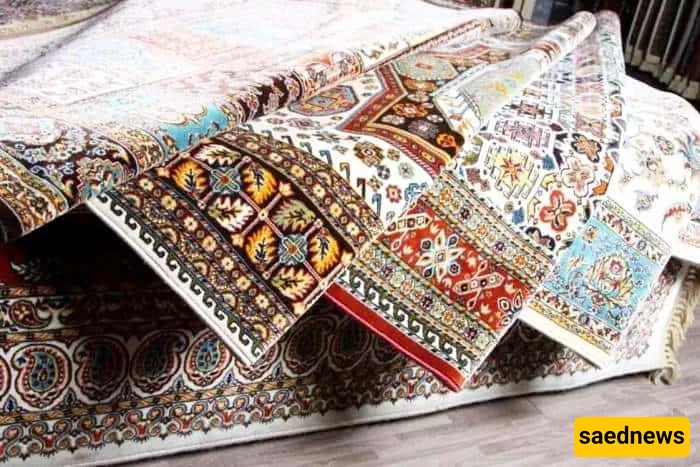
One of the most valuable handicrafts associated with Shiraz is its traditional carpet weaving. Shirazi carpets are distinctive because their looms and weaving techniques, particularly the way the warp and weft are handled and the types of knots used, differ from those found in many other parts of Iran.
Silverwork is another important traditional craft in Shiraz. Silver, like gold and copper, occurs naturally as a mineral and must be extracted and processed before it can be shaped into useful objects. Skilled Shirazi artisans transform the metal into beautifully crafted decorative and practical pieces through traditional techniques.
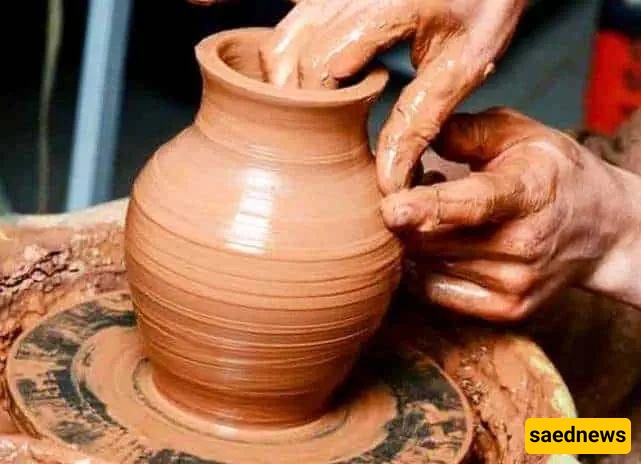
Pottery is another well-known craft in Shiraz. Its basic materials include clay, sand, and fuel for firing. Artisans shape clay into a wide range of distinctive vessels and decorative objects, traditionally using a pottery wheel before firing and finishing the pieces.
Khatamkari is a traditional Persian decorative art in which wooden surfaces are covered with intricate geometric patterns resembling tiny triangular mosaics. The quality of a Khatamkari piece depends greatly on the precision and regularity with which these small elements are arranged. The quality of the materials used also contributes significantly to the value of the finished work.
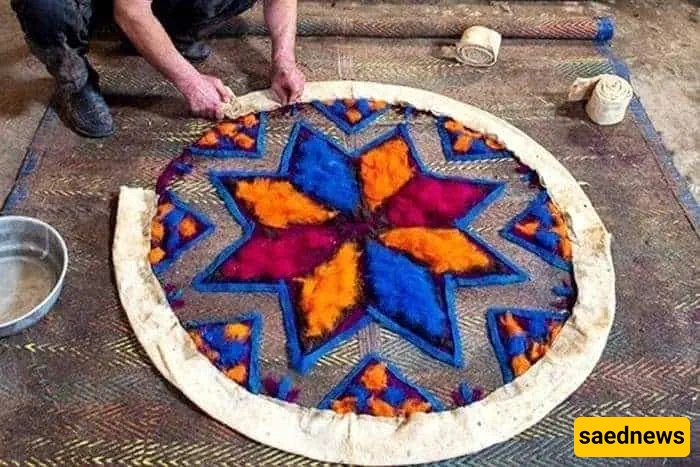
Felt making is one of the traditional textile crafts practiced in Shiraz. Unlike many weaving techniques, felt production does not require a conventional loom. Instead, it takes advantage of the natural properties of wool: when wool fibers are exposed to moisture, pressure, and friction, they interlock and form a dense material. Felt is commonly used to produce floor coverings and other traditional textile products.
Jajim is a colorful traditional textile that can be found in Shiraz markets, including the historic Vakil Bazaar. It is used to make items such as bags, fabrics, and footwear. Traditionally, nomadic communities have also used Jajim to cover bedding and household belongings. In some local communities, it is known by the name “Pushan.”
Glassmaking has a long history in Shiraz and remains one of the city’s traditional crafts. Traditional glass products include objects such as bottles, pitchers, cups, and vases. During the early Islamic period, glass vessels were widely produced for domestic use and became an important part of the region’s material culture.
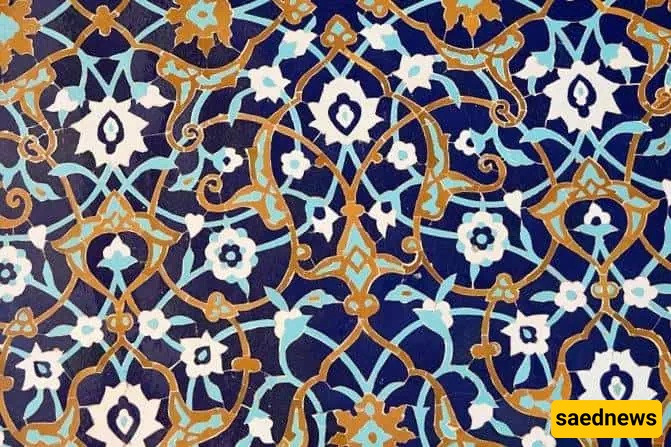
Haft Rang, or seven-color tilework, is a traditional form of Persian tile decoration commonly seen on buildings such as homes and mosques. Shiraz is particularly associated with this style of tilework, which has deep historical roots in Persian art and architecture.
The decorative patterns are traditionally created using several colors, including white, dark blue, black, yellow, red, turquoise, and reddish-brown. These colorful tiles contribute significantly to the visual character of historic Shirazi architecture.
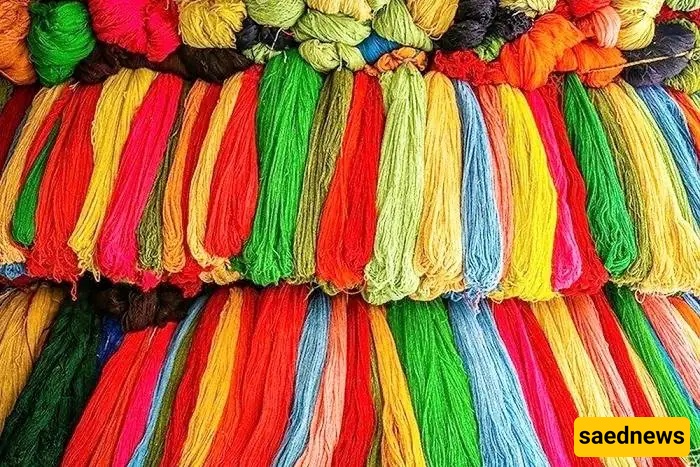
Plant-based dyeing is another traditional art with a long history in Shiraz and Fars Province. It has particularly strong connections with the Qashqai nomadic communities. Qashqai women have traditionally developed extensive knowledge of natural colors and dyeing techniques, creating richly colored textiles using locally available plants and materials.
Kilim weaving has been practiced in the region for generations and continues to be an important traditional craft. Kilims are flat-woven floor coverings made from materials such as wool, goat hair, and, in some cases, silk.
Among the distinctive kilims associated with Shiraz and Fars are raised-pattern and needle-woven styles, which are appreciated for their detailed designs and handmade character.
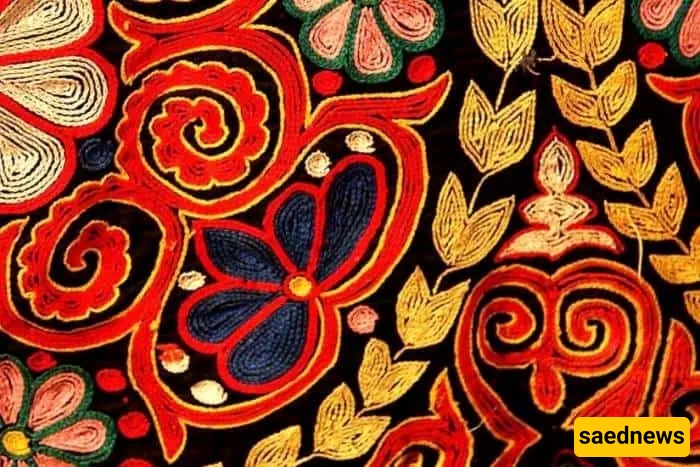
The traditional markets of Shiraz feature a variety of garments made from fabrics associated with the region’s nomadic communities. Traditional clothing may include long shirts or jomé, wide skirts, kaluteh garments, long shawls, loose trousers, and undergarments.
These textiles reflect the distinctive cultural identity of the nomadic communities of Fars and are valued for their colorful patterns and traditional construction.
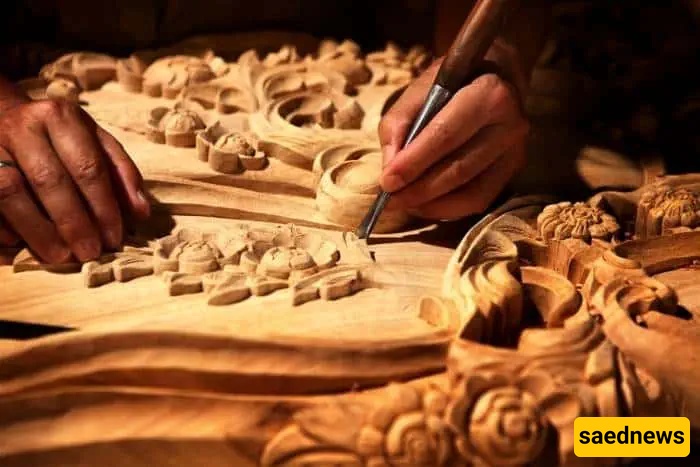
Woodcarving, known as Monabbatkari, is another traditional craft associated with Shiraz. Artisans carve and engrave detailed patterns into wooden surfaces using specialized chisels and hammers.
The carved motifs often have a raised, three-dimensional appearance, which is one of the defining characteristics of this craft. Traditional woodcarving remains popular among collectors and admirers of Persian decorative arts.
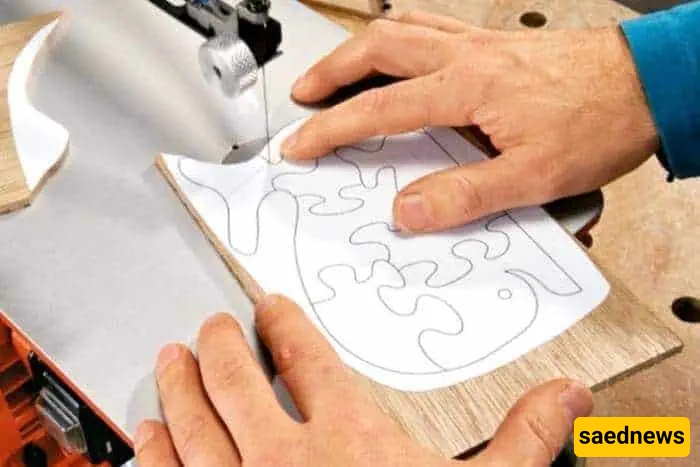
Moaragh Kari, or Persian wood inlay and marquetry, is an old decorative art practiced in different parts of Iran, including Shiraz. Historical evidence indicates that related forms of the craft have ancient roots and evolved over time through the work of Persian artisans.
Earlier examples incorporated combinations of wood and metal, while later craftsmen increasingly used different types and colors of wood to create intricate decorative compositions.
Persian miniature painting is another delicate and visually distinctive art associated with Iran’s traditional artistic heritage. The term “miniature” is connected to a French expression referring to something small and delicately rendered. In Iran, the term is commonly used to describe highly detailed traditional paintings.
Persian miniatures are known for their refined lines, intricate details, vibrant compositions, and carefully rendered scenes. The art form has a long history and has been developed through different periods of Persian culture.
Mosaic tilework is a traditional Persian architectural technique created by cutting tiles into pieces of different shapes and sizes and carefully assembling them to form intricate patterns.
The resulting designs can be installed on walls, architectural surfaces, and other structures. Shirazi tile artisans are particularly known for their precision and ability to transform small pieces of colored tile into elaborate decorative compositions.
Ghalamzani, or Persian metal engraving, is the art of decorating metal objects—particularly copper and brass—with intricate engraved patterns. It has a long history in Iranian art and craftsmanship.
Historical examples of metalwork have been preserved in museums and archaeological collections, demonstrating the importance of metal engraving in different periods of Persian history. Traditional motifs may include geometric designs, floral patterns, animals, birds, and other decorative elements.
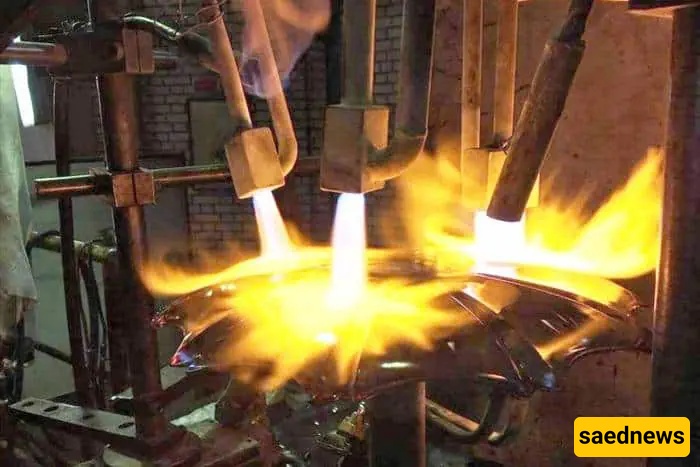
Minakari, commonly known as Persian enamelwork, is a decorative technique often practiced on copper objects. Artisans use mineral pigments and heat to create colorful patterns and designs on metal surfaces.
The process combines artistic skill with controlled firing, producing richly decorated vessels and ornaments. Enamelwork has a long history in Iran and reached a particularly important stage of development during the Safavid period.
Gabbeh weaving is closely associated with the nomadic communities of Fars Province. Gabbehs are thick, handwoven rugs traditionally made from wool and characterized by a relatively long pile.
They differ from many conventional Persian carpets because of their construction, texture, and often simple yet expressive designs. Gabbehs are produced in various sizes, ranging from small rugs to larger floor coverings, and those associated with the Shiraz and Fars region are known for their distinctive patterns and colors.
Mirror work is one of the most visually striking decorative arts found in Shiraz. Artisans create elaborate patterns by arranging small, carefully cut pieces of mirror to form geometric and ornamental compositions.
Although mirror work is also practiced in cities such as Isfahan, Tehran, Qom, and Mashhad, Shiraz has its own distinctive tradition of this craft. Mirror-covered interiors and architectural decorations can create dramatic effects as light reflects across the numerous small surfaces.
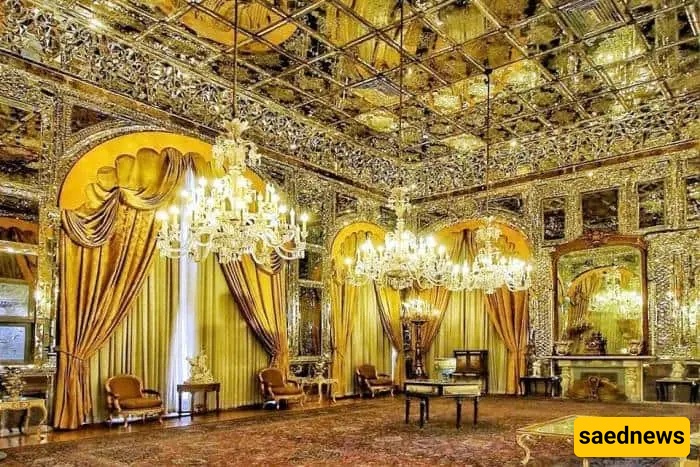
Plasterwork is practiced in many parts of Iran and has long been used to decorate the walls and ceilings of buildings. Artisans shape plaster into elaborate floral, geometric, and architectural patterns.
The craft has ancient roots and underwent significant development during the Zand period, when Shiraz served as the capital of Iran. Historic buildings in the city contain examples of detailed plaster decoration that demonstrate the skill of local craftsmen.
Giveh making is a distinctive traditional craft in Shiraz and involves a largely handmade production process. The craft includes several stages, such as weaving the upper part, preparing the leather components, constructing the shoe, and shaping the sole.
Traditional Giveh making may involve materials such as carpet yarn, silk thread, leather, rubber, or fabric. Giveh shoes are lightweight and breathable, making them particularly suitable for warm weather and long walks. Their handmade construction and practical design have made them an enduring part of traditional footwear culture in Fars.
Together, these crafts illustrate the remarkable artistic diversity of Shiraz and the wider Fars region. From carpets, kilims, and nomadic textiles to tilework, metal engraving, woodcarving, pottery, and traditional footwear, the handicrafts of Shiraz reflect centuries of Persian cultural heritage and continue to connect contemporary visitors with the region’s artistic traditions.