SAEDNEWS: Hamedan is one of the oldest and most culturally rich cities in Iran, home to valuable industries that are recognized around the world. However, you may not be familiar with some of these remarkable local industries.
According to Saednews, Hamadan, a city with a civilization spanning hundreds of years and a history extending beyond human imagination, has long been home to highly skilled artists and craftsmen. The city is renowned for its remarkable tourist attractions, including Ali Sadr Cave, Ganjnameh, the mausoleum of Avicenna, and the tomb of Baba Taher. Hamadani artists are recognized around the world, making Hamadan a familiar name among art enthusiasts. One of the most famous and exceptional examples of wood inlay and carving is the Minbar (lectern) carving, which is preserved at the Metropolitan Museum of Art in New York.
Handicrafts are traditionally defined as products made by hand using simple tools and equipment, often following a specific design. They are generally decorative works inspired by the culture, tastes, creativity, and traditions of a particular region. In this sense, handicrafts serve as an important representation of the culture and civilization of a people and their homeland.
Of the 267 recognized handicraft fields in Iran, 85 are associated with Hamadan Province. Visitors to this culturally rich province should certainly consider purchasing some of its traditional handicrafts as memorable souvenirs.
Among the valuable and long-established arts of Hamadan are gold inlay and silver inlay, which have attracted many skilled artisans. These crafts involve creating intricate patterns and designs by hand on thin sheets of gold or silver. Once prepared, the metal sheets can be mounted on materials such as wood, ceramics, and glass, creating remarkably elegant decorative works.
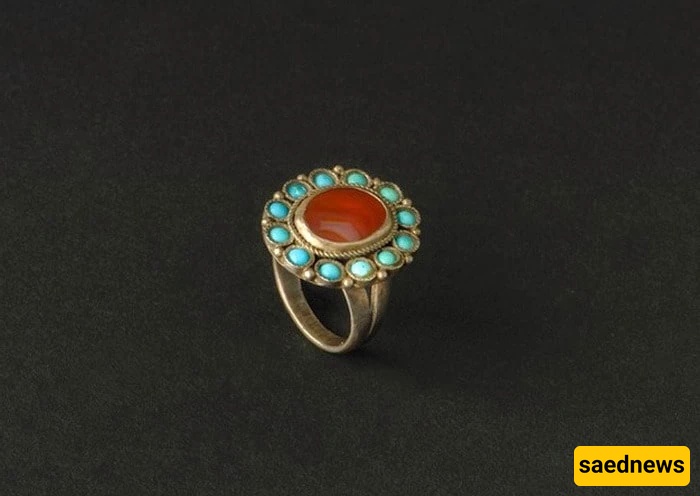
One of the most important types of jewelry produced in Hamadan is the ring, which is made from gold or silver in a variety of forms and designs. This craft is particularly widespread in the region. Precious and semi-precious stones such as turquoise, emerald, jade, ruby, agate, and diamond are commonly used to decorate the ring settings.
Traditional embroidery in Hamadan includes several techniques, such as Pateh embroidery, stem stitching, Broidery embroidery, sequin embroidery, coin embroidery, sermeh embroidery, and mirror embroidery. These decorative techniques are applied to fabrics such as termeh, velvet, and plain cloth, generally using silk thread. The cities of Malayer and Hamadan are regarded as two of the main centers of traditional embroidery in the province.
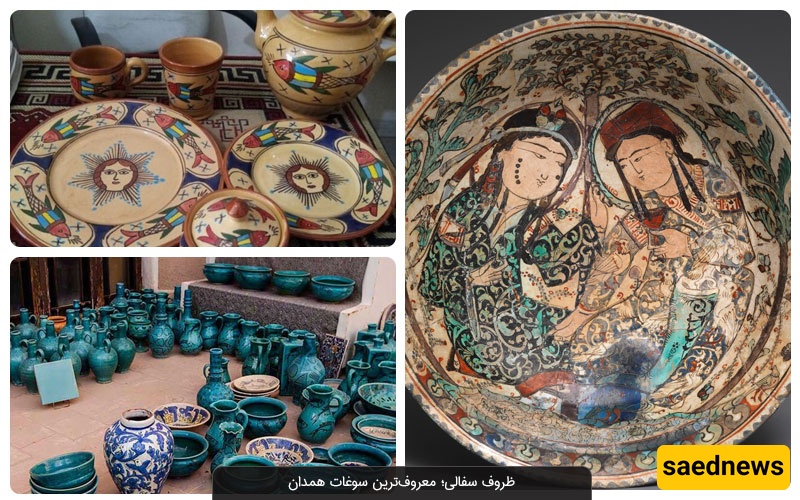
Early humans discovered that clay could be shaped into useful objects, and this knowledge was passed down through generations. Among Hamadan's most famous handicrafts are pottery and ceramics. Colorful ceramic products can be found throughout the markets of Hamadan, while the city of Lalejin is widely known as the pottery capital of Iran.
Haft-rang, or seven-color tilework, is also known as inscription tilework. These tiles are produced in a wide variety of patterns and designs and are commonly used to decorate the walls of religious and cultural buildings. Hamadan and Lalejin are among the major centers for the production of this type of tile.
Woodworking has long been an important handicraft and source of souvenirs in Hamadan. It has traditionally been practiced in cities such as Malayer, Hamadan, and Tuyserkan. Major forms of woodcraft include woodturning, delicate woodworking, wood carving, marquetry, and frame making.
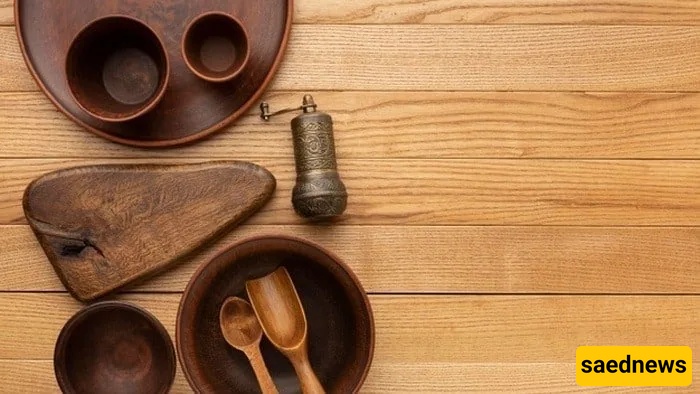
Wood carving is a traditional handicraft created by cutting and engraving designs into wood. This ancient Iranian art has a long history and can be seen in historical objects such as sword handles, wooden shields, and spears.
The art of wood carving in the region is particularly associated with Malayer, which was officially registered as Iran's national wood-carving city and the country's furniture capital in 2012. One of the traditional styles associated with Malayer is the Gol-o-Morgh design, featuring flowers and birds. In recent years, Tuyserkan and Jowkar in Malayer have also become active centers of this craft.
Marquetry is another beautiful branch of woodcraft. Thin pieces of wood and decorative materials such as mother-of-pearl and ivory are carefully cut and assembled to create intricate patterns. The resulting compositions often resemble the delicate visual quality of miniature paintings.
Giveh is a traditional type of Iranian footwear that was especially popular in the past. One of its greatest advantages is its ability to keep the feet cool during hot summer weather. The upper part is traditionally made from cotton thread, while the sole is made from leather.
Around 80 years ago, giveh making was common in many villages of Hamadan Province. Today, the craft has declined considerably, although some village women continue to practice it. Traditional giveh can still be found in villages such as Kafras, Artiman, Fahromand, and Dehful.
Woodturning is the craft of shaping wood by hand with cutting tools. This ancient technique has existed in Iran for thousands of years and is particularly common in regions where wood is readily available. Turned objects are generally symmetrical, although geometric and asymmetrical forms can also be produced.
Jajim is a reversible woven textile traditionally made with colorful wool, silk, cotton, or combinations of these fibers.
Unlike many carpets, jajim has no pile. Nomadic communities have traditionally used it as a covering for the korsi, protection against cold weather, and for wrapping and transporting goods. It is woven in many parts of Iran, with each region using distinctive colors and patterns reflecting its local culture.
The primary material is usually wool, and the weaving technique is somewhat similar to that of kilim. However, jajim is typically woven in separate sections that are later joined and sewn together.
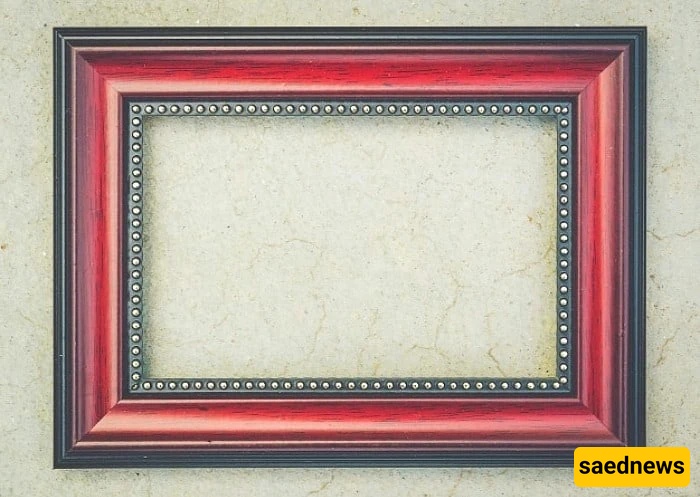
Frame making is another attractive traditional woodcraft practiced in Hamadan. Local artisans decorate wooden or molded frames with beautiful traditional motifs and patterns. This craft is particularly associated with villages and areas around Razan, Hamadan, Malayer, and Kaj.
In the past, sheepskin processing was an important and common occupation in Hamadan. The process began by cleaning sheep and lamb skins without removing their wool. Materials such as barley flour, alum, and tannin-rich substances were used to prepare products such as traditional sheepskin garments and floor coverings.
Today, because of the high cost of hides, this craft is far less common than it once was, and only a small number of rural artisans continue the tradition.
Coppersmithing is one of Iran's oldest metalworking traditions, with a history stretching back thousands of years. Copper is considered the first metal widely worked by humans, and Iranian craftsmen have played an important role in its development.
Hamadan has a long tradition of copper craftsmanship. Artisans produce plates, bowls, cooking pots, and various other kitchen utensils from copper.
Another well-known handicraft of Hamadan Province and its surrounding areas is the production of traditional musical instruments. These instruments are made from carefully selected types of wood. Well-known examples include the santur, setar, and daf.
Metalworking and the production of metal objects are widespread traditional crafts in Hamadan. Products include knives, decorative wrought-iron objects, and chains.
In chain making, steel wire is shaped into chains of different sizes and forms. Other traditional metal products include sugar cutters, knives, penknives, and various blades. Their handles may be decorated with wood, deer antler, or mother-of-pearl, while some metal surfaces are finished with a protective and decorative chrome coating.
Kilim weaving is traditionally associated with the nomadic communities of different regions of Iran, and Hamadan is no exception. The province has a strong tradition of kilim production.
The patterns of each kilim often reflect its place of origin. Traditional Hamadani designs include basket flowers, tulips, Dast-e Delbar, crab patterns, arabesques, crossed patterns, bells, and zigzag motifs.
Nahavand is one of the areas known for producing high-quality kilims, some of which are exported to other markets.
Hamadan is considered one of Iran's important centers of leather production, and leather goods from the province have been exported to other countries. Key products include key holders, shoes, belts, bags, and clothing, known for their quality and craftsmanship.
Morvar weaving is a traditional craft associated particularly with Malayer and villages such as Garab, Qeshlagh, and Davijan. It has a long history and contributes significantly to the handicraft economy and exports of the region.
Products made through morvar weaving include baskets, television stands, hats, telephone tables, furniture, and other household items. Although the craft is practiced in other parts of Iran, many regions obtain the raw morvar material from Hamadan Province.
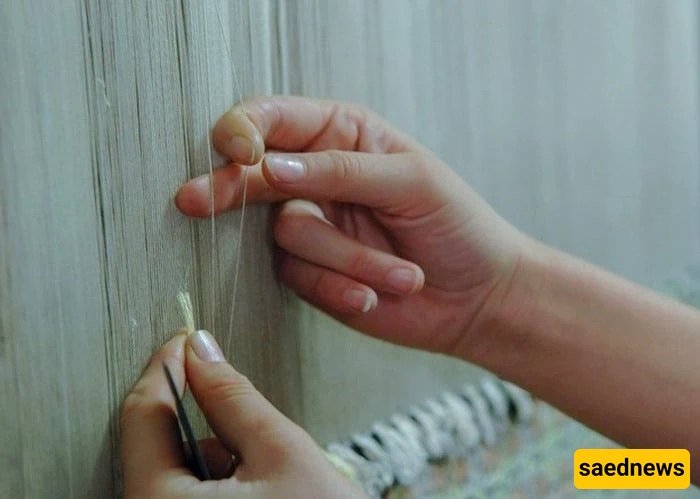
Carpet weaving is one of the most authentic traditional arts of Hamadan and has played an important role in the province's handicraft industry for generations.
The region's strong agricultural and livestock traditions have provided access to high-quality wool and yarn, contributing to a distinctive local style. Important characteristics include the use of hand-spun wool, natural dyes, and angular geometric patterns.
Traditional textile production in Hamadan includes a variety of fabrics and woven household products, such as jajim, tablecloths, traditional clothing, bedspreads, scarves, and sheets.
Artisans traditionally use relatively simple handlooms, including two-shaft and four-shaft looms, to produce handwoven fabrics.
Miniature painting and traditional Persian negargari are among the most delicate and precise forms of painting in Iranian art. Historically, they were used to illustrate manuscripts, particularly works dealing with epic, literary, and narrative subjects.
The roots of miniature painting extend to the period before the arrival of Islam in Iran. The art flourished in cities including Hamadan, Shiraz, Isfahan, Tabriz, and Herat. Traditional miniature work may incorporate materials such as wood, fiber, ivory, and bone.
Stone carving is one of the oldest artistic traditions in Iran. Hamadan is an important center for stone extraction and stone craftsmanship because of its rich geological resources, including granite, mica, quartz, feldspar, and other minerals.
Today, the cutting and polishing of precious and semi-precious stones is also recognized as an important handicraft of Hamadan. The province has produced generations of skilled stone artisans. Historical monuments such as Ganjnameh and the famous Stone Lion of Hamadan provide evidence of the region's long connection with stone craftsmanship.
Glass cutting is another distinctive and beautiful handicraft of Hamadan. Using relatively simple tools, artisans create intricate designs on glass objects such as pitchers, drinking glasses, fruit bowls, chandeliers, and candy dishes.
The designs may appear as raised, recessed, or frosted patterns across the glass surface, creating a sophisticated decorative effect.
Stone carvers in Hamadan often prepare raw stone pieces before passing them to specialized engravers who complete the artistic details. Stone engraving can be considered a form of engraving performed directly on stone and is used to create valuable decorative and architectural works.
This craft is especially visible in mosques, mausoleums, memorials, and important buildings. Delicate inscriptions carved into stone are sometimes described using terms associated with engraving, carving, and fine stone carving.
The production of handmade glass objects has become increasingly common in many urban areas, with glassmaking workshops operating in numerous Iranian cities. Interestingly, rural areas of Hamadan have also maintained a strong tradition of glass production.
Handmade glass is regarded as one of the valuable and authentic handicrafts of the region. The history of glassmaking in Iran itself goes back to the period before the birth of Christ.
Visitors to the glass museums of Tehran may encounter archaeological glass objects discovered in Hamadan, some dating back thousands of years.
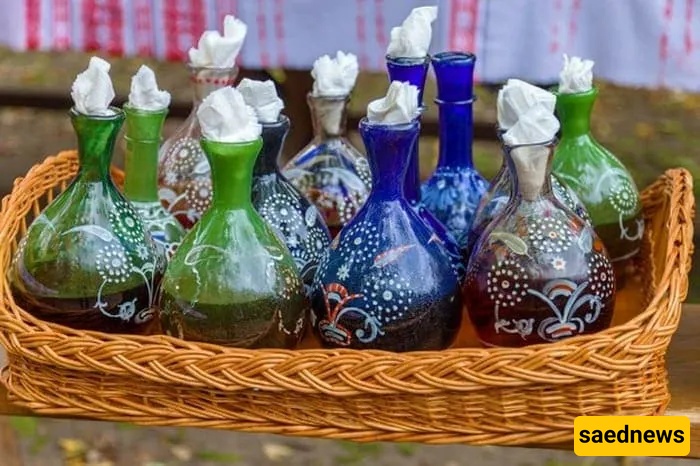
Abgineh, in its traditional sense, refers to glassware produced through traditional glassmaking techniques. In this process, air is blown into molten glass to create transparent or vividly colored vessels and decorative objects.
The long history and remarkable variety of these crafts demonstrate why Hamadan remains one of Iran's important centers of traditional art and craftsmanship. From pottery and wood carving to carpets, textiles, metalwork, glass, and stone carving, the province's handicrafts continue to reflect the cultural heritage, creativity, and artistic traditions of its people.