SAEDNEWS: The food history of Isfahan dates back centuries. While biryani is its most famous dish, traditional Isfahani cuisine includes much more. Explore the rich and flavorful world of Isfahan’s local foods.
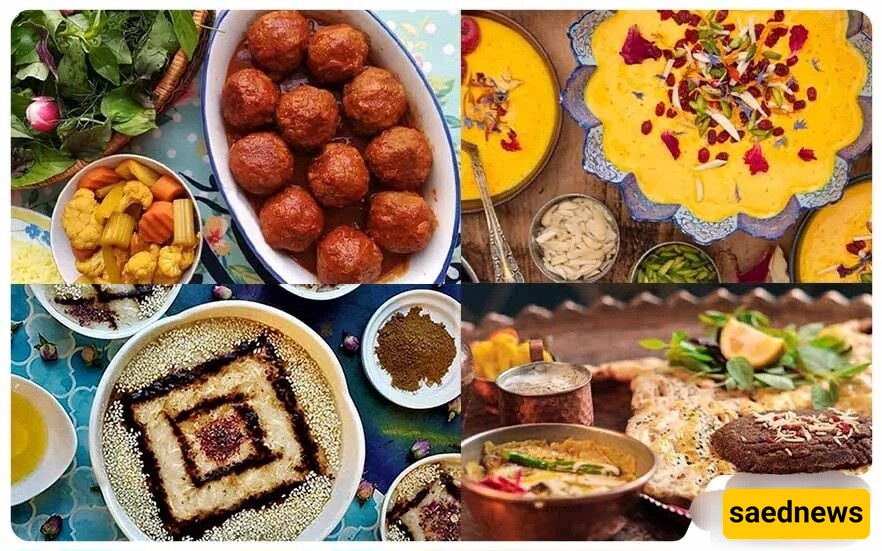
According o Saednews, If we begin exploring the history of the city of Isfahan, we quickly realize we are dealing with a complex world full of mystery and depth. The culinary history of Isfahan is just as rich and ancient. Most people may know the famous dish biryani, but Isfahan’s traditional cuisine is far more diverse than that. Let’s take a journey into the flavorful world of Isfahan’s local foods.
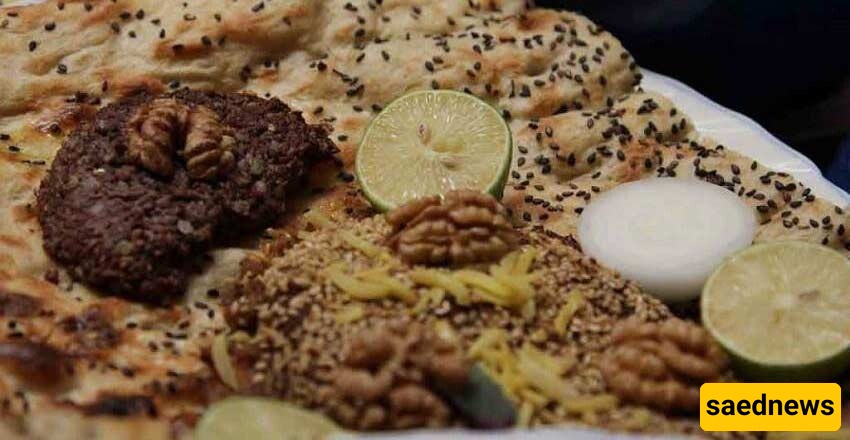
If Isfahan is considered “half the world,” then biryani alone could be seen as the most beloved dish of that half. It is often compared to a local hamburger due to its appearance.
It is prepared with meat, onion, saffron, whey (kashk), oil, mint, cinnamon, pepper, salt, turmeric, and traditional Isfahani spices.
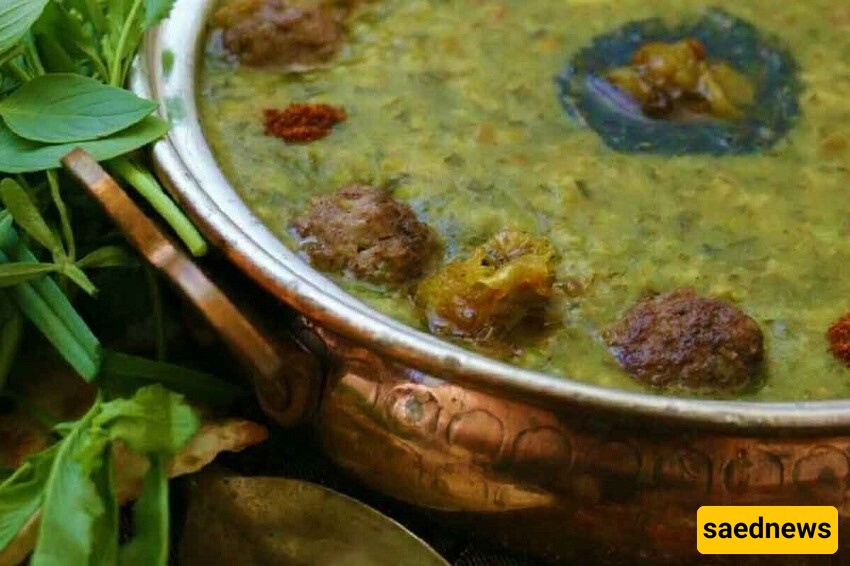
Herb soup is another traditional dish of Isfahan, though it is prepared in various ways across Iran. The main difference in the Isfahani version is the addition of small meatballs made from ground meat.
It is commonly served in traditional old restaurants and tea houses in Isfahan.
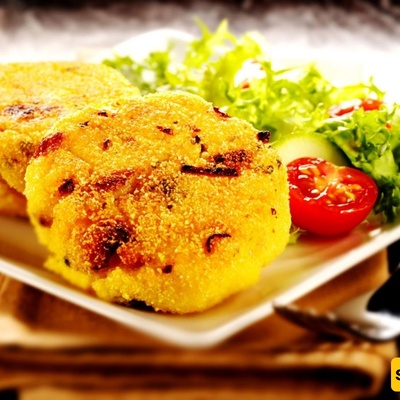
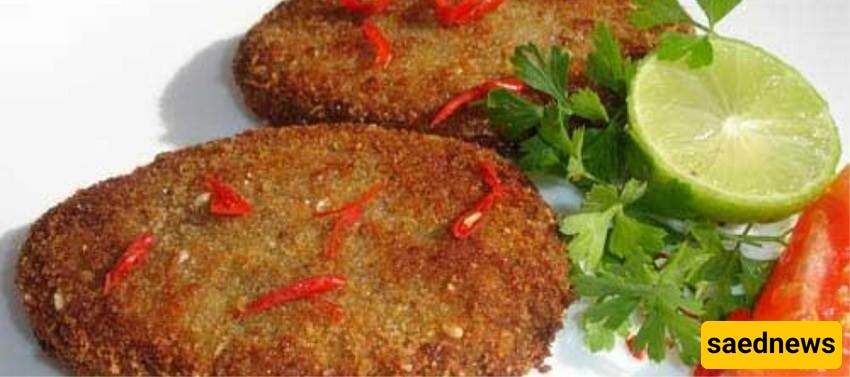
This is one of the most authentic traditional dishes of Isfahan. Unlike typical kebabs, it has a slightly sweet taste and resembles Iranian cutlets in appearance.
“Zardak” refers to a type of carrot harvested in winter. If unavailable, regular raw carrots can be used as a substitute.
This dish is not widely available in all restaurants, but some traditional eateries in Isfahan still prepare it.
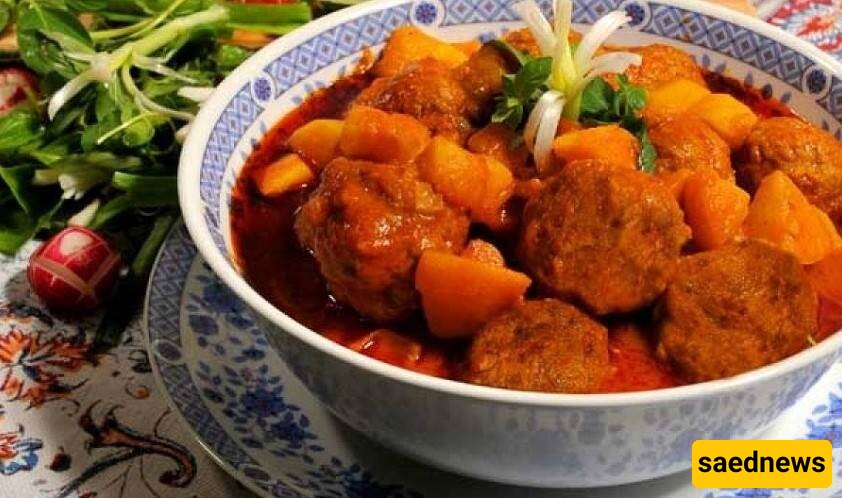
This dish is one of the few foods almost exclusive to Isfahan. It resembles the famous Iranian stew gheymé, mainly due to its tomato-based sauce and fried onion base.
It is made with lamb neck or shoulder meat, chickpea flour, dried mint, salt, and spices. It is more commonly found in older districts of Isfahan.
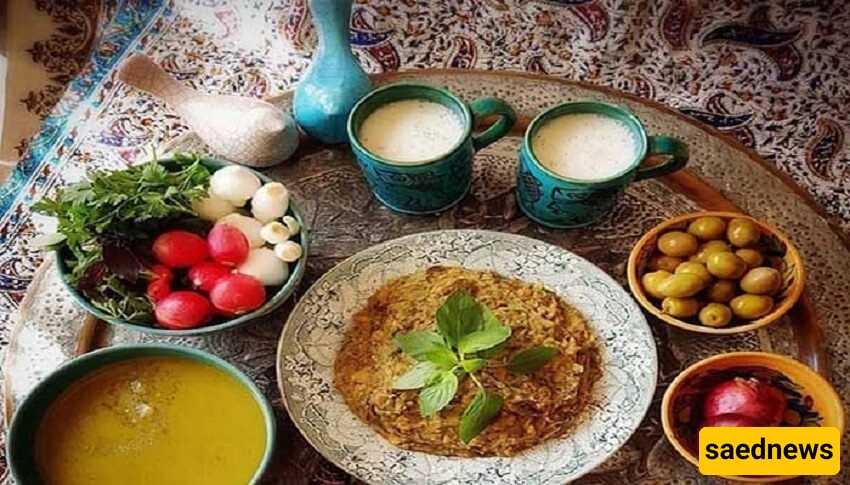
This traditional dish is similar to a thick stew or porridge. It is made with meat, white beans, rice, onion, fresh herbs such as parsley, fenugreek, and leek, along with spices.
It is commonly served in traditional restaurants across Isfahan and is considered a warm and comforting dish.
This is one of the oldest traditional dishes of Isfahan and is now relatively rare.
It is prepared using lamb meat, quince, plums, dried apricots, rice, sugar or date syrup, turmeric, and water. Some versions are also sold ready-made in local shops.
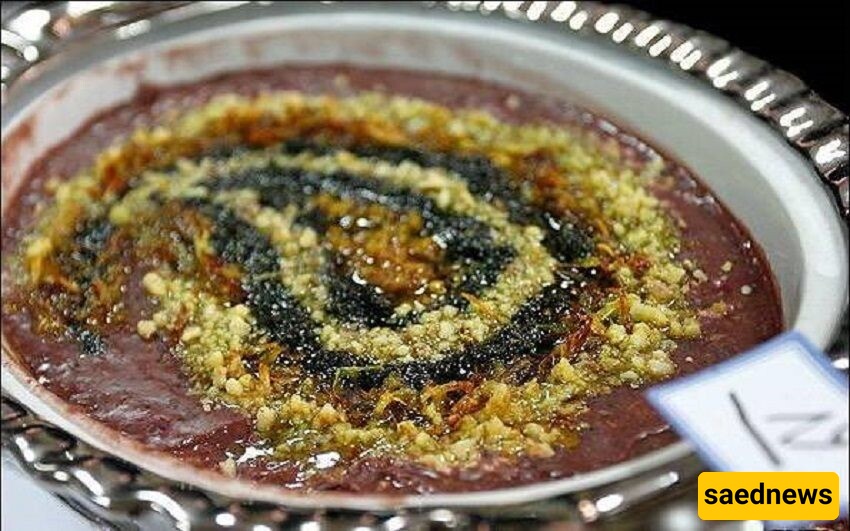
Halim is a common breakfast dish in Iran, but Isfahan has its own special version called milk halim.
It is typically enjoyed in the early morning at traditional restaurants and has a rich, creamy texture.
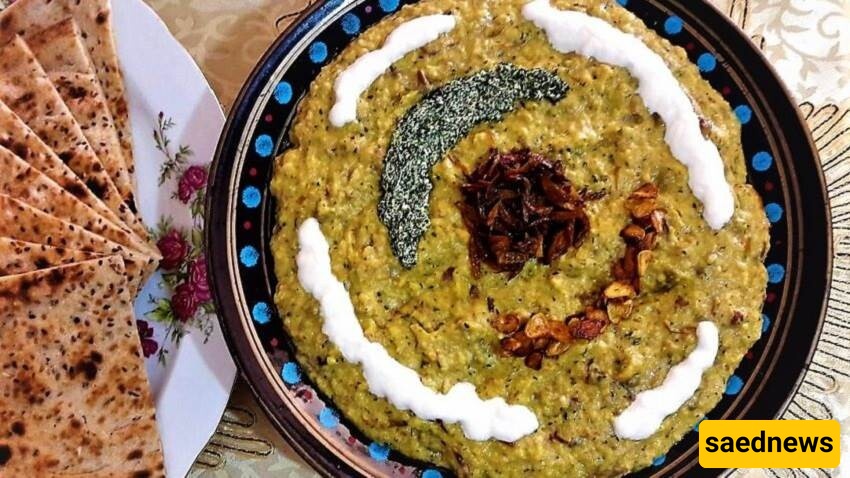
This dish may seem unusual to some, but it is a traditional Isfahani specialty. It is made with fried quince, plums, meat, saffron, and rice.
Although simple in preparation, its taste may not suit everyone—but it is worth trying at least once.
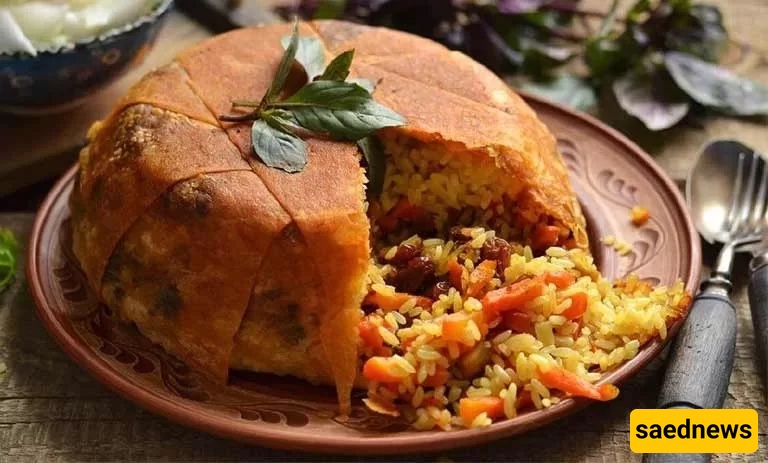
These dishes come in two forms: rice-based and stew-based.
Both use mung beans and turnip cabbage (kohlrabi). The rice version includes meat, herbs, and spices, while the stew version has a thicker, porridge-like consistency.
They are not commonly found in modern restaurants and are often prepared in homes or traditional catering services.
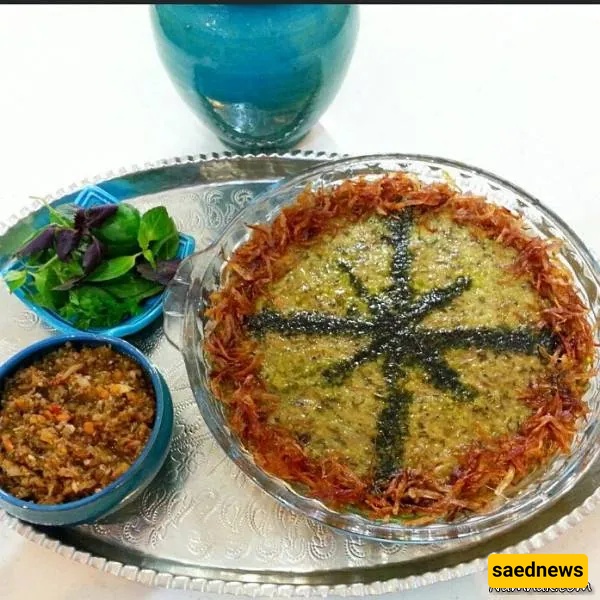
Food culture is an important part of any city’s identity and plays a major role in its tourism appeal.
Isfahan is a city with a deep culinary heritage alongside its historical, cultural, and artistic significance. Whenever you visit, trying its traditional dishes offers a meaningful way to experience its culture firsthand.