SAEDNEWS: With Pyongyang recording 36.7°C, North Korean state media has highlighted traditional summer foods including dog-meat soup and samgyetang, while also reviving stories portraying Kim Jong Un as enduring harsh conditions alongside ordinary people.
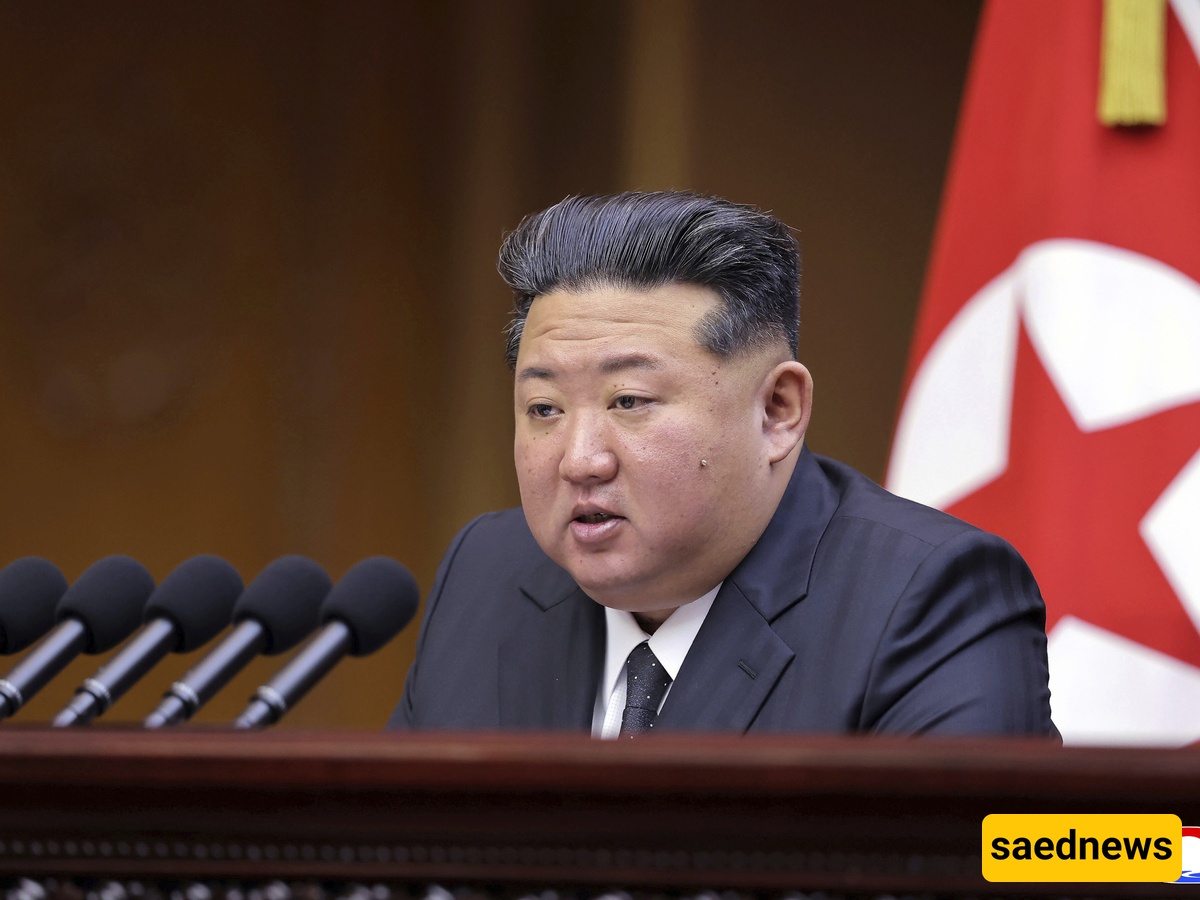
According to SaedNews: North Korea is facing an intense spell of summer heat, and its state-controlled media has responded with a mixture of traditional food advice, historical anecdotes and familiar political imagery.
The most striking recommendation is perhaps the one that immediately catches attention outside the country: dog-meat soup. North Korean media has presented the dish as a traditional summer food, alongside other foods such as watermelon, cucumber, mung beans, fish soup and red-bean soup.
The advice comes as temperatures climb across the Korean Peninsula. North Korean state television reported that Pyongyang reached 36.7°C, describing it as the highest temperature recorded in the capital since weather records began there.
The unusually intense heat has also prompted North Korean media to focus heavily on the hottest period of summer, traditionally associated with “Sambok,” or the “dog days” of summer.
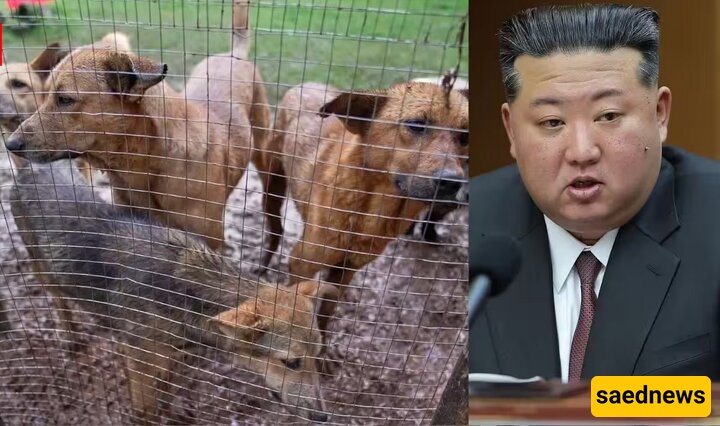
The Rodong Sinmun, the newspaper of North Korea’s ruling Workers’ Party, cited a doctor at a Pyongyang general hospital in recommending foods considered refreshing, as well as nutritious dishes that could help people cope with the heat.
Among them was dog-meat soup, a dish the newspaper specifically described as a traditional summer food.
The newspaper even revived an old saying about the dish, claiming that even if dog-meat soup spills onto someone during the summer dog days, it can supposedly become medicine. The report also noted that a national dog-meat cooking competition had been held in North Korea earlier this year.
The emphasis on traditional cuisine did not stop there. The Korean Central News Agency, or KCNA, praised samgyetang, a soup made with chicken, rice and jujube. According to the report, restaurants in Pyongyang were crowded with customers seeking relief from the heat through the popular dish.
But the heatwave coverage has another dimension. North Korean state media has used the extreme weather to reinforce a familiar portrayal of Kim Jong Un: the leader who supposedly shares difficult conditions with ordinary citizens rather than avoiding them.
Rodong Sinmun revisited a 2013 story about Kim visiting a construction site during hot weather. According to the newspaper, his clothes became soaked with sweat during the visit.
The report said that when an official asked Kim to avoid such visits during that time of year, he responded that even if the weather was unbearably hot, work that needed to be done for the people still had to be carried out.
The newspaper also highlighted other episodes intended to underline the same image.
One account described Kim traveling in 2018 to difficult-to-reach mountainous areas in heavy rain while searching for a suitable location for a hot spring. Another recalled his visit to a fermented seafood factory where temperatures reportedly reached 39°C. There, the report said, Kim inspected hot fermentation rooms and emphasized food quality and hygiene.
Yet there is a notable gap in the current coverage: North Korean state media has not provided details about how Kim himself is coping with the present heatwave.
The human impact of the extreme temperatures also remains difficult to assess from North Korean official reporting. The country has not released official figures on deaths linked to the current heatwave. Across the border, South Korea has reported more than 20 heat-related deaths during the recent period of extreme heat.
The discussion of dog-meat consumption also comes amid broader changes in Asia. Dog meat has historically been consumed in several parts of the region, although changing attitudes toward animals and growing pet ownership have contributed to a decline in its popularity among younger generations.
In Indonesia, dog meat remains legal but is consumed by a minority. Sales have been banned in 21 cities and regions, although dogs, including pets and strays, continue to be hunted and slaughtered for consumption in some areas.
China is described in the source material as the world’s largest consumer of dog meat, with about 10 million dogs and 4 million cats reportedly consumed there each year. The practice has a history stretching back thousands of years, but its popularity has also gradually declined.
For North Korea, however, the current story is about more than what people eat during hot weather. The heatwave has provided state media with an opportunity to promote traditional foods while simultaneously reinforcing a long-standing political narrative about leadership, endurance and sacrifice.
The unusual combination of record-breaking heat, traditional summer cuisine and stories about Kim Jong Un has made the coverage particularly striking. It also raises a broader question about how governments communicate with the public during extreme weather: is the message primarily about practical survival, cultural tradition, or something more?
For now, North Korea has offered its citizens familiar foods, traditional wisdom and an image of leadership enduring hardship. But with no official national death toll released, the full human cost of the heatwave remains unclear.