SAEDNEWS: Young American Sells Real Human Bones

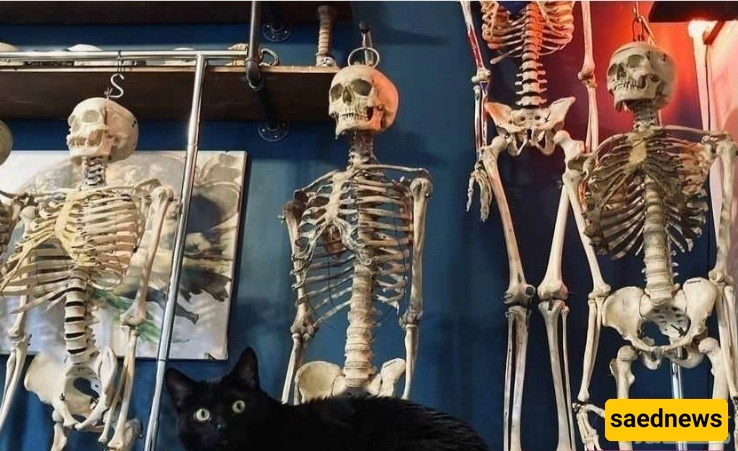
According to Saed News, citing various news sources, A design and interior decoration student from New York, John Beccia Fieri, has attracted widespread attention on social media, particularly on TikTok, where he has gained a large following by selling real human bones and skulls.
John opened a shop in New York specializing in legally traded human skeletal remains. According to reports, his business has become highly successful, with monthly sales ranging from 20 to 60 bone specimens, priced between $20 and $60,000, depending on their rarity and condition. As demand has grown, he has expanded his business and hired eight employees. His customers reportedly include anthropologists, university students, researchers, and artists who create decorative items.
His popularity on TikTok has grown to more than 500,000 followers, but his business has also drawn significant criticism. Some media outlets and critics argue that selling human remains is unethical, especially when some buyers use the bones for decorative purposes rather than scientific or educational work.
John has also faced accusations that the bones could have been stolen from cemeteries. He has denied any involvement in such activities, stating that suppliers do not always disclose the original source of the remains they sell to him.
In response to the criticism, John has defended his work by saying that many of the bones are used for education, scientific research, and training. He also stated that he supplies bones to law enforcement agencies for training cadaver-detection dogs, helping improve search and recovery operations.
The legality of buying and selling human bones varies across the United States. In many states, the trade is not explicitly prohibited, and online marketplaces for legally obtained human skeletal specimens have existed for years. However, the practice remains ethically controversial and is subject to different laws depending on the state and the origin of the remains.