SAEDNEWS: Teen smartphone addiction has become a growing concern for parents in the U.S. and Europe, increasing demand for an HMD phone designed to reduce digital use among teenagers.

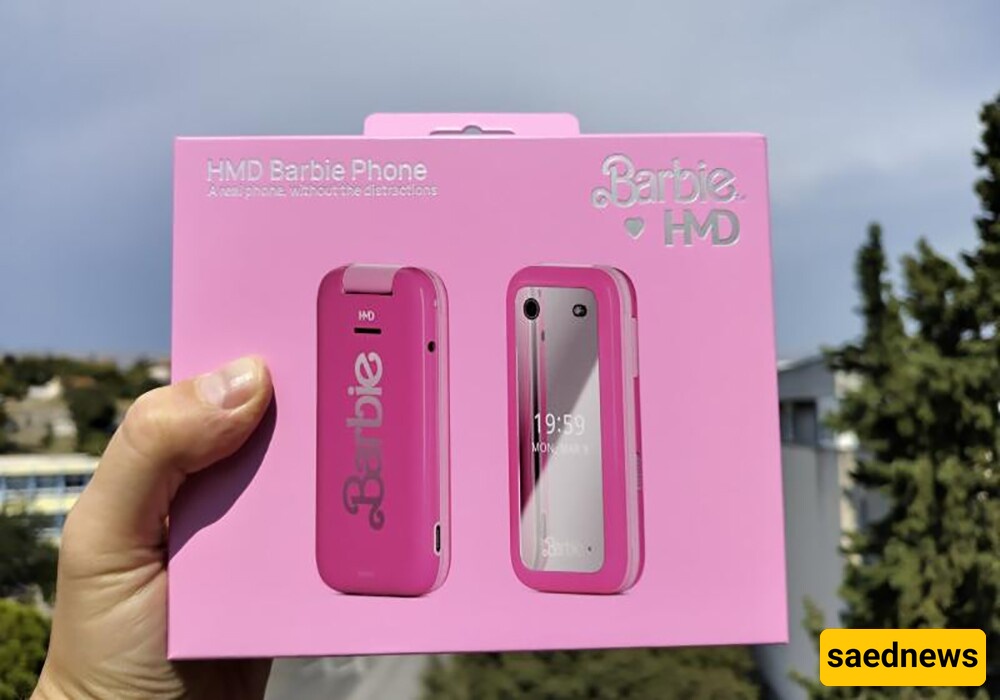
According to Saednews, citing the newspaper Farhikhtegan, for some time now in the United States, teenagers’ addiction to smartphones has become a problem for parents, who are looking for ways to reduce their children’s exposure to the digital world. This trend, which has now reached Europe, has increased demand for a product made by HMD Global that is specifically designed to reduce digital experience for teenagers. A phone called the “Barbie” phone, with limited communication features and linked to the Nokia brand, has recently gained popularity. The manufacturer says growing interest in reducing digital exposure was the motivation for creating this product. The Barbie phone, while still trying to appeal to teenagers, claims to reduce their dependence on technology so they can replace hours of staring at a one-dimensional phone screen with real interaction with peers.
Today, smartphones have become an inseparable part of human life; however, teenagers’ relationship with this technology is different from adults and is rooted in psychological factors. The issue of smartphone addiction among adolescents in the United States has led to increasing demands from parents to limit their children’s screen time. Some parents even prefer to completely ban smartphone use for their children.
What are parents worried about?
The main concern regarding smartphone addiction in children and adolescents is its negative impact on attention span. In this context, social psychologist Jonathan Haidt writes in his book The Anxious Generation that one of the most important activities for teenagers is playing with peers. Through this, they learn social dynamics and develop new skills by understanding how different activities work. Interaction with peers teaches them how to cope with future challenges, and according to this psychologist, such interactions can protect adolescents from anxiety. Children and teenagers who spend a lot of time on their phones may spend less time talking and socializing with friends.
Another challenge for parents is exposure to harmful and illegal content through unrestricted smartphones. Last August, a non-profit organization called Thorn, which fights child sexual exploitation, published new data on online sexual crimes. According to its report, 59% of teenagers said they had experienced potentially harmful online situations. It also stated that one in three children and nearly one in five teenagers reported online sexual experiences with someone they believed to be an adult.
The Barbie phone: marketing strategy or digital detox?
Smartphones and interactive online platforms are designed in a way that makes them addictive. Everyone has experienced endless scrolling on social media and being exposed to a constant stream of information. It is difficult to expect teenagers to avoid this highly engaging digital environment. At the same time, it is a fact that smartphones do not necessarily make children smarter; instead, by capturing their attention, they can interfere with learning.
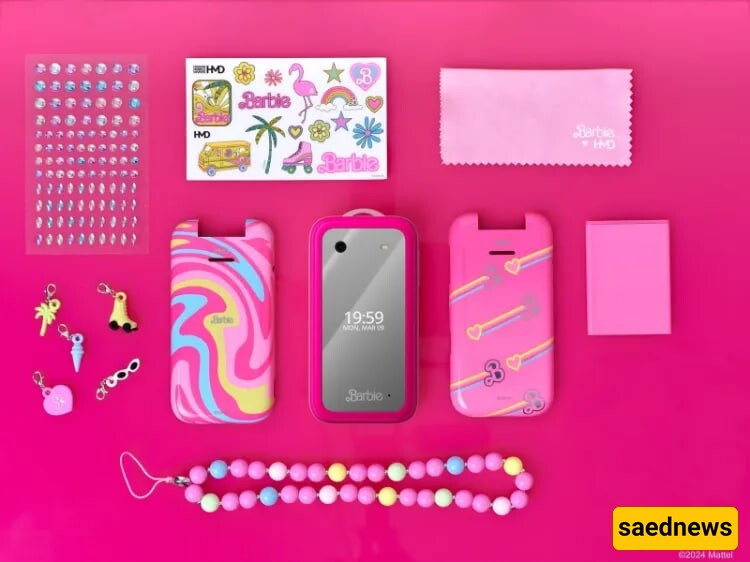
These challenges have led HMD Global, a Finnish company currently producing Nokia phones, to collaborate with Mattel, an American toy company, to release Barbie-themed phones with a pink design. This product is a button-based flip phone without a camera, with no ability to install messaging apps, and it only allows text messaging.
Lars Silberbauer, a senior executive at HMD, said the goal of producing the Barbie phone is to help combat smartphone addiction. He stated: “We have seen a shift that started in the United States and is now spreading to Europe, and more and more people want to avoid a constant digital experience.”
The release of the Barbie phone, with its very limited functionality, can be seen as a return to simpler technology to escape smartphone addiction. However, some people question how genuinely altruistic Silberbauer’s motivation is, since many other phones already exist on the market with similarly limited functions and without association with major brands.
In addition, the release of a range of Barbie-themed accessories—including phone cases, beaded straps with Barbie charms, wooden crystals, and nostalgic stickers—adds a commercial aspect to the product. Silberbauer has also admitted that he would like to enable messaging apps such as WhatsApp on Barbie phones.
The Barbie phone is priced at £99 (117 euros) in the UK, which is twice the price of a regular Nokia phone.
Teenagers, being at a sensitive stage of development, should interact with smartphones in a balanced way so that their concentration and learning are not disrupted. However, products like this are marketed as reducing digital exposure, leading some to argue that education about healthy and controlled smartphone use may be a better solution.