SAEDNEWS: Hair cocktail therapy combines essential vitamins and proteins to help restore the hair from within. This treatment can improve the hair’s overall structure while reducing dryness, frizz, and breakage, leaving hair smoother, stronger, and healthier-looking.
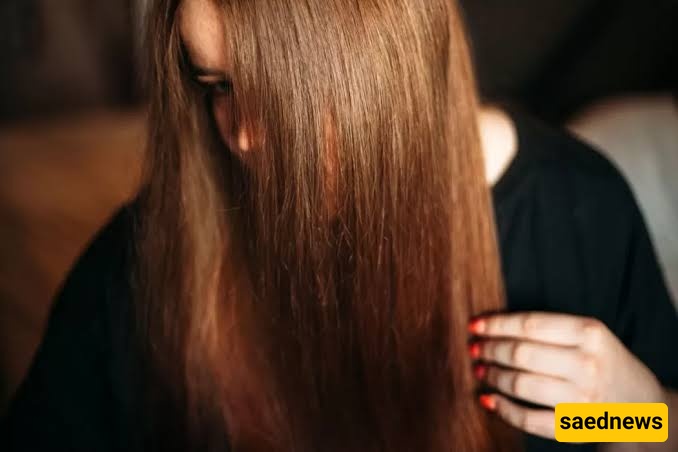
According to Saednews, In today’s world, where air pollution, stress, frequent use of heat-styling tools, and chemical hair products have become part of everyday life, our hair is exposed to more damage than ever before. Hair loss, dryness, split ends, and frizz are common problems that many people struggle with. Among the various methods available for repairing and strengthening hair, hair cocktail therapy has emerged as one of the increasingly popular treatment options.
Hair cocktail therapy is an advanced hair-care treatment that combines nutrients, vitamins, proteins, and botanical extracts to help improve the condition of damaged hair while enhancing its shine, strength, and vitality. The treatment is commonly offered at professional beauty salons and specialized hair clinics and has attracted attention because of its visible results and relatively straightforward procedure.
In this article, we take a comprehensive look at the potential benefits of hair cocktail therapy, how the treatment is performed, its common ingredients, how it differs from other hair-repair methods, and the important points to consider before and after treatment. If you are looking for ways to improve the appearance and condition of damaged hair, continue reading.
Hair cocktail therapy is a specialized hair-care treatment in which a combination of nutrients, amino acids, B vitamins, biotin, keratin, collagen, natural oils, and botanical extracts is applied to the hair and, depending on the treatment, the scalp.
These ingredients are intended to condition and strengthen the hair shaft while helping smooth the cuticle and improve the overall appearance of damaged hair.
Unlike conventional conditioners and hair masks, which primarily work on the surface of the hair, some cocktail therapy formulations are designed to provide more intensive conditioning and nourishment. The exact treatment plan varies according to the condition of the hair and the specific formulation being used.
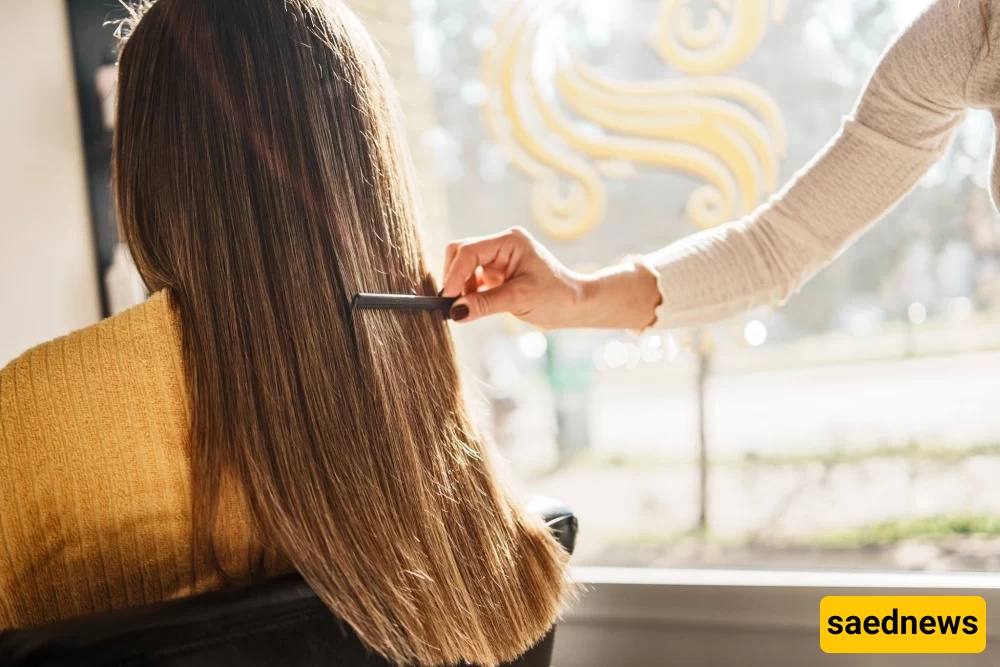
One of the main advantages associated with hair cocktail therapy is its ability to provide intensive conditioning to damaged hair. Ingredients such as keratin and collagen can help improve the feel, structure, and resilience of the hair.
This can be particularly useful for hair that has been weakened by frequent coloring, bleaching, blow-drying, or flat-iron use.
By conditioning and strengthening the hair shaft, these treatments may help reduce the appearance of brittle and easily broken hair. B vitamins and amino acids are commonly included in hair-care formulations because they support the overall condition of the hair and scalp.
After treatment, hair may feel stronger, smoother, and less prone to breakage and split ends.
Dry hair is one of the most common hair-care concerns. Hair cocktail treatments may contain moisturizing ingredients such as hyaluronic acid, glycerin, and natural oils that help improve moisture retention.
Better hydration can leave the hair feeling softer, smoother, and more manageable while enhancing its natural-looking shine.
Frizz is often associated with a rough or raised hair cuticle and loss of moisture. Conditioning treatments can help smooth the surface of the hair and make individual strands easier to manage.
As a result, hair may appear smoother and more polished and become easier to style after treatment.
Damaged hair can often look dull, rough, and lifeless. Intensive conditioning and nourishing ingredients can improve the surface of the hair, helping it reflect light more evenly.
This can make the hair appear healthier, shinier, and more vibrant.
Some specialized formulations contain ingredients such as caffeine, ginseng extract, or biotin and are marketed for scalp and hair-growth support.
However, the effectiveness of these ingredients for treating hair loss can vary, and hair loss may have many different causes. Anyone experiencing persistent or significant hair loss should consider consulting a qualified healthcare professional or dermatologist rather than relying solely on a cosmetic hair treatment.
One reason hair cocktail therapy has become popular is that the hair can feel and look different shortly after treatment. Depending on the formulation and the condition of the hair, improvements may include greater softness, shine, smoothness, and manageability.
The duration of the results varies from person to person and depends on factors such as hair condition, washing frequency, styling habits, and aftercare.
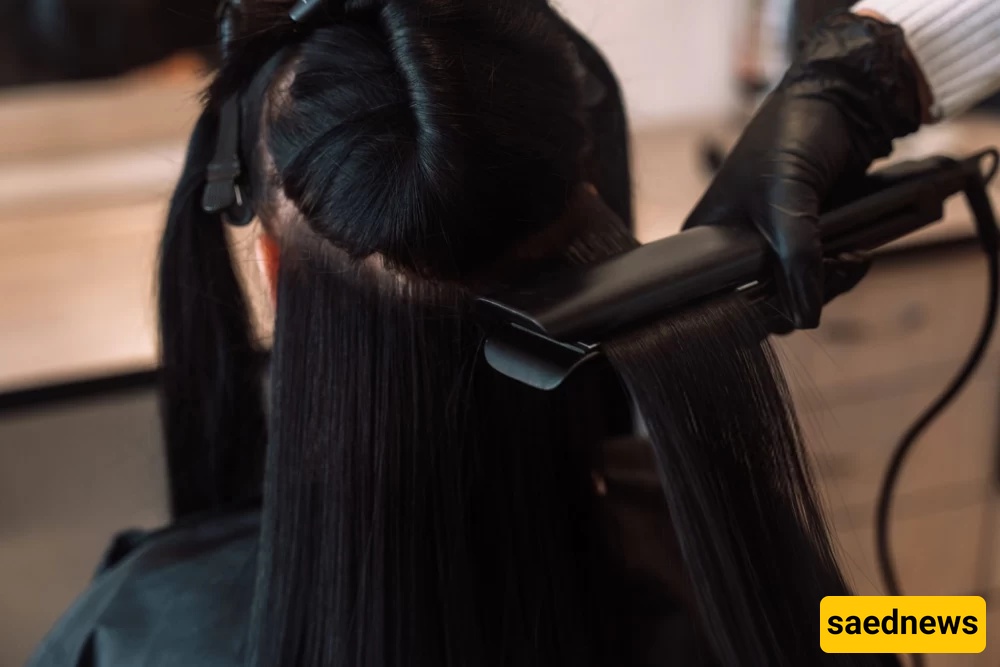
Another potential benefit is its adaptability. Treatment formulations can be selected according to individual hair needs.
Hair cocktail therapy may be used for dry, brittle, curly, straight, colored, bleached, or untreated hair, although the appropriate ingredients and application method should be determined by a qualified professional.
Hair cocktail therapy is generally a non-surgical cosmetic hair-care procedure. It does not involve hair transplantation or surgery.
However, the ingredients used can vary considerably between products, and natural ingredients can still cause irritation or allergic reactions in some people. A patch or sensitivity test may therefore be appropriate, particularly for people with sensitive skin.
Healthy-looking hair begins with a healthy scalp. Depending on the ingredients used, scalp-focused treatments may help provide moisture and improve the feeling of dryness or discomfort.
A well-maintained scalp can contribute to a healthier environment for normal hair growth.
The exact composition of a hair cocktail varies according to the product, formulation, treatment goal, and individual needs. Common ingredients may include:
Keratin: A structural protein naturally found in hair that helps improve strength and smoothness.
Collagen: Often used in cosmetic formulations to support conditioning and elasticity.
Biotin (Vitamin B7): A nutrient involved in normal metabolic processes and commonly found in hair-care products.
Panthenol (Provitamin B5): Helps condition the hair and improve moisture retention.
Vitamin E: An antioxidant commonly used in cosmetic formulations to help protect and condition hair.
Amino Acids: Building blocks of proteins that can help condition and strengthen the hair fiber.
Hyaluronic Acid: Known for its ability to attract and retain moisture.
Natural Oils: Ingredients such as argan, coconut, jojoba, and olive oils can help improve softness, smoothness, and shine.
Botanical Extracts: Aloe vera, green tea, rosemary, and chamomile are commonly used for their conditioning and soothing properties.
The exact procedure can differ depending on the treatment and product, but a typical session may include the following steps:
A specialist examines the condition of the hair and scalp and determines which type of treatment is most appropriate.
The hair is washed with a suitable gentle shampoo to remove excess oil, dirt, and styling-product residue.
The selected formulation is applied to the hair, usually section by section. The specialist may gently massage the product through the hair to ensure even distribution.
In some treatments, steam or a thermal cap is used to help distribute the product and provide conditioning. This stage may last approximately 15 to 30 minutes, depending on the formulation.
After the recommended processing time, the hair may be rinsed with lukewarm water. Some formulations are designed to remain on the hair and do not require immediate rinsing.
The hair is gently dried and styled according to the desired finish.
Following an appropriate aftercare routine can help maintain the cosmetic results of the treatment. Common recommendations include:
Avoid washing the hair for up to 48 hours if instructed by the professional or product manufacturer.
Use a gentle, sulfate-free shampoo when appropriate for your hair and treatment.
Limit frequent use of high-heat styling tools.
Choose hair-care products designed for damaged or chemically treated hair.
Follow the professional’s recommended schedule for maintenance sessions rather than automatically repeating treatment every few weeks.
Protect your hair from prolonged sun exposure by using suitable protective products or covering your hair when necessary.
Hair cocktail therapy has become a popular option for people looking to improve the appearance, softness, shine, and manageability of damaged hair. Its formulations can contain a combination of proteins, vitamins, amino acids, moisturizing agents, natural oils, and botanical extracts.
However, results can vary depending on the condition of the hair, the ingredients used, and the individual’s hair-care routine. It is also important to distinguish cosmetic hair-repair treatments from medical treatments for conditions such as significant hair loss or scalp disease.
For the best results, the treatment should be selected according to the specific needs of the hair and scalp and performed by a qualified professional using a reputable formulation.