SAEDNEWS: Knee bagging is a common issue with trousers, but it can often be prevented by choosing the right fabric and making a few simple changes to everyday habits.
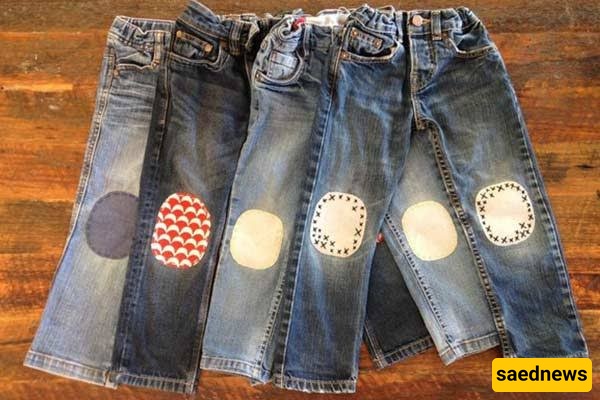
According to Saednews, It has probably happened to you: after wearing your favorite pair of pants several times, you notice that the knees have become stretched, raised, or visibly misshapen. This common problem, often referred to as “baggy knees” or “knee bags,” can affect many types of trousers, from jeans and dress pants to cotton and linen styles.
But why do pants develop baggy knees in the first place? And why do some fabrics and designs lose their shape more quickly than others?
In this comprehensive guide, we’ll look at the main scientific and practical reasons behind stretched-out knees and explore effective ways to prevent, reduce, and repair the problem. With a few simple care and wearing habits, you can help your pants maintain their original shape for much longer.
“Baggy knees” refers to a condition in which the fabric around the knees becomes raised, wrinkled, stretched, or distorted. Over time, the material may lose its original shape and fail to return completely to its previous form.
The problem usually develops as a result of repeated sitting, bending, kneeling, and everyday movement. In some cases, particularly when the fibers have been permanently stretched or damaged, the deformation may be difficult to reverse.
One of the most important factors affecting knee deformation is the type and quality of the fabric.
Cotton fabrics: Cotton is soft and comfortable but has relatively limited elasticity, making some cotton trousers more prone to developing stretched knees.
Polyester and blended fabrics: These materials generally have better shape retention, although they can still become distorted after prolonged use.
Denim and jeans: The behavior of denim depends on its weave, weight, and quality. Lightweight or lower-quality denim can develop knee bags more quickly.
Linen: Linen has a naturally loose structure and is highly prone to wrinkles and temporary deformation.
The quality and construction of the fabric therefore have a major influence on how well a pair of pants retains its shape.
The way you move and sit can have a direct effect on the condition of your pants.
Sitting for long periods: People who spend many hours at a desk or behind the wheel repeatedly bend the knees, placing continuous stress on the fabric.
Sitting cross-legged or kneeling: These positions create additional pressure and stretching around the knees.
Frequent bending: Gardening, cleaning, construction, industrial work, and similar activities can repeatedly stretch the same area.
Sports and exercise: Running, squats, stretching exercises, and other movements involving repeated knee flexion can gradually affect the fabric.
The design and construction of trousers also play an important role.
Tight-fitting pants: Skinny and slim-fitting trousers place more tension on the fabric around the knees and may lose their shape more quickly.
Loose or relaxed pants: Relaxed cuts generally place less direct tension on the fabric, allowing it more freedom of movement.
Knee construction: Poor stitching, weak seams, or inadequate construction around the knee can contribute to faster deformation.
How you wash and care for your pants can significantly influence their lifespan.
Hot water: High temperatures can weaken or alter certain fibers and reduce the fabric's ability to recover its original shape.
High-heat drying: Frequent use of a tumble dryer at high temperatures can damage fibers and contribute to loss of elasticity.
Improper ironing: Applying excessive heat directly to stretched areas may further affect the fabric's structure.
Ignoring care instructions: Frequent or inappropriate washing can accelerate fabric wear and shape loss.
From a textile perspective, the tendency of pants to develop baggy knees is closely related to the structure and properties of their fibers.
Natural fibers such as cotton and linen: These fibers generally have limited elasticity. Once stretched repeatedly, they may not completely return to their original shape.
Synthetic fibers such as polyester and nylon: These fibers typically have better resilience, although excessive heat can damage them.
Elastic fibers such as spandex and Lycra: These fibers improve stretch recovery and help clothing retain its shape. However, their elasticity can decrease with prolonged use, washing, and exposure to heat.
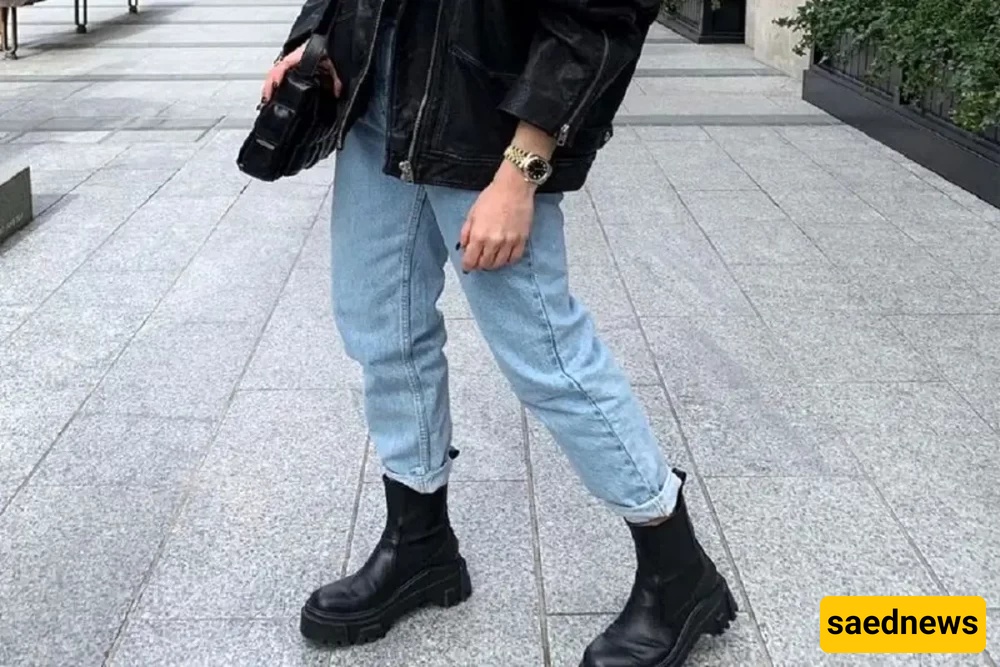
Several simple habits can reduce the likelihood of pants developing stretched-out knees.
Test the fabric before buying: Hold the fabric and gently stretch it several times. Higher-quality material should recover its shape relatively quickly.
Check the fiber blend: Pants made from blends such as cotton-polyester or cotton-elastane may offer a good balance between comfort and shape retention.
Choose a slightly looser fit: Straight-leg or relaxed trousers may be less susceptible to knee deformation than very tight-fitting styles.
Choose reputable manufacturers: Well-made garments generally use better-quality fabrics and stronger construction techniques.
Change your sitting position: When sitting for long periods, occasionally adjust your legs and position to reduce continuous pressure on the same area.
Use knee protection when necessary: During physically demanding activities, appropriate knee protection can reduce excessive stretching and stress on clothing.
Rotate your pants: Avoid wearing the same pair every day. Giving clothing time to rest between wears can help the fabric recover.
Adjust the fabric when sitting: Before sitting for a long period, gently smooth or reposition the fabric around the knees to reduce excessive stretching.
Good maintenance can make a significant difference in how long your pants retain their shape.
Wash with cold or lukewarm water: Lower temperatures are generally gentler on textile fibers.
Turn the pants inside out: Turning trousers inside out before washing can reduce friction and protect the outer surface.
Air-dry whenever possible: Instead of relying on a high-heat dryer, allow the pants to dry naturally in the air.
Iron carefully: Use steam and moderate heat when appropriate, and avoid pressing excessively hard on stretched areas.
Use a suitable fabric softener when recommended: A suitable fabric-care product may help maintain softness, although it should always be compatible with the garment's care instructions.
If your pants have already developed stretched knees, several techniques may help restore their appearance.
Steam treatment: Use a steam iron or garment steamer to relax the fibers and help the fabric return toward its original shape.
Water and white vinegar solution: A mixture of approximately three parts water to one part white vinegar can be lightly applied to the affected area. Gently smooth the fabric with your hands afterward. Test the solution on an inconspicuous area first.
Gentle hand stretching: Lightly dampen the pants and carefully reshape the knee area by hand.
Weighted flattening: Lay the pants flat and place a clean, suitable weight over the affected area to encourage the fabric to flatten.
Iron through a protective cloth: Place a clean cotton cloth over the knee and use low to moderate heat to reshape the fabric without applying direct high heat.
Fabric reinforcement tape: In some cases, specialized fabric tape applied to the inside of the garment may help stabilize the area.
Professional alteration: If the deformation is severe, a tailor may be able to reshape or reconstruct the knee area.
Moderate heat: Carefully warming the affected area with a hair dryer on a moderate setting may help relax the fibers before reshaping them by hand. Avoid excessive heat.
For valuable or heavily worn garments, additional solutions may be possible.
Fabric starch: A suitable starch product can temporarily add structure and firmness to certain fabrics.
Internal reinforcement: A tailor can sew a thin layer of compatible fabric behind the knee area to provide additional support.
Replacing the damaged section: For expensive trousers, a professional tailor may be able to replace a severely damaged knee section with matching or closely compatible fabric.
Care Tips for Different Types of Pants
Avoid washing denim too frequently. For many pairs, washing only when necessary is preferable to washing after every wear.
Avoid high-heat tumble drying.
To help restore the shape, lightly dampen the jeans and wear them briefly while they dry, provided the fabric and dye are suitable for this method.
Follow the manufacturer's care instructions, particularly for stretch denim.
Use an appropriate hanger that supports the garment without creating additional creases.
Hang the pants after wearing them so minor wrinkles can naturally relax.
A suitable wrinkle-release spray can be useful for light creasing.
Avoid leaving trousers compressed in a chair or folded at the knees for long periods.
Cotton and linen naturally wrinkle more easily, so some creasing is completely normal.
Use steam when ironing to help relax wrinkles.
Avoid excessive heat.
Allow the pants to rest between wears whenever possible.
Store them in a dry, well-ventilated place.
Overwashing: Washing pants after every wear can cause unnecessary wear and shorten the life of the fibers.
Using bleach: Strong chemicals can weaken and damage many types of textile fibers.
Drying in direct sunlight: Prolonged exposure to ultraviolet radiation can weaken fibers and may cause fading.
Folding at the knees: Repeatedly folding trousers along the knee area can create permanent creases and contribute to deformation.
Storing in a damp environment: Excess moisture can encourage fabric deterioration and, in some conditions, mold or mildew.
Baggy knees are usually the result of repeated stretching, prolonged sitting, fabric characteristics, garment construction, and improper care. While some fabrics naturally resist deformation better than others, the right fit, careful washing, proper drying, and regular rotation can significantly reduce the problem.
If your pants have already developed stretched knees, steaming, gentle reshaping, and careful pressing may restore much of their original appearance. For severe or permanent deformation, professional tailoring and internal reinforcement may provide a more lasting solution.
With the right combination of fabric choice, wearing habits, and proper garment care, you can help your favorite pants stay comfortable, neat, and in shape for longer.