SAEDNEWS: Across the globe, climate change is quietly reshaping how animals migrate, hunt, reproduce, and survive, forcing species from polar bears to birds and sea turtles to adapt in ways scientists say could permanently alter ecosystems.
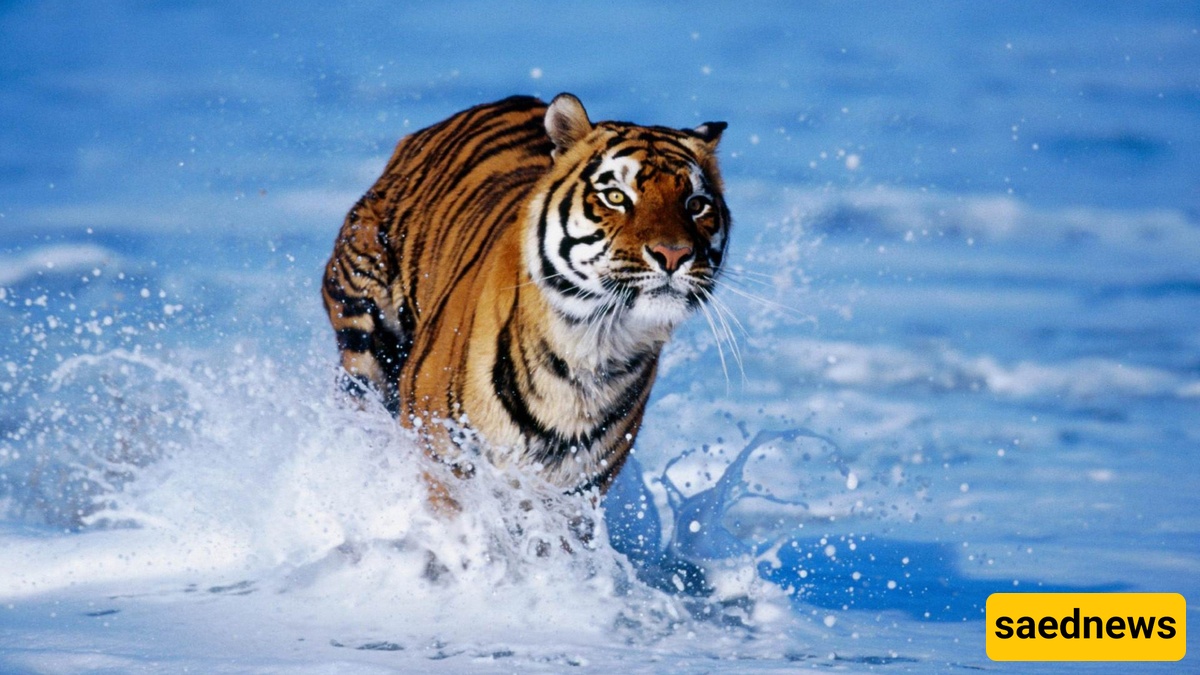
According to SaedNews. something unusual is happening in the natural world—animals are no longer following the same rules they once did. Migration routes are shifting, breeding seasons are changing, and survival behaviors are being rewritten in real time as global temperatures rise. But what does it mean when instinct itself begins to change?
For thousands of years, animal behavior was guided by stable seasonal cues—temperature, daylight, and food cycles. Now, organizations such as the Intergovernmental Panel on Climate Change (IPCC) and research programs led by institutions like the British Trust for Ornithology and NOAA have documented widespread disruption in these natural rhythms.
Birds, for example, are arriving earlier in spring across Europe and North America. Why would a migratory system perfected over millennia suddenly shift? The answer lies in warming temperatures and changing food availability.
But what happens when timing is everything for survival?
Studies on species like the great tit in Europe and Arctic-breeding shorebirds show that warmer springs are causing earlier nesting. Long-term ecological monitoring has revealed that insects—the primary food source for many birds—are also emerging earlier in the year.
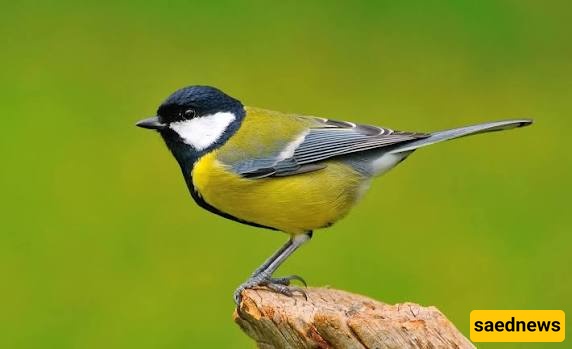
This creates a mismatch: chicks hatch when food peaks have already passed.
Researchers at institutions such as the Max Planck Institute for Animal Behavior have observed that some bird populations are attempting to adjust migration timing genetically, not just behaviorally. But is evolution fast enough to keep up?
And if not… what happens to species that fail to adapt?
In the Arctic, polar bears are becoming one of the clearest symbols of climate-driven behavioral change. As sea ice melts earlier and forms later each year, bears are forced to spend more time on land.
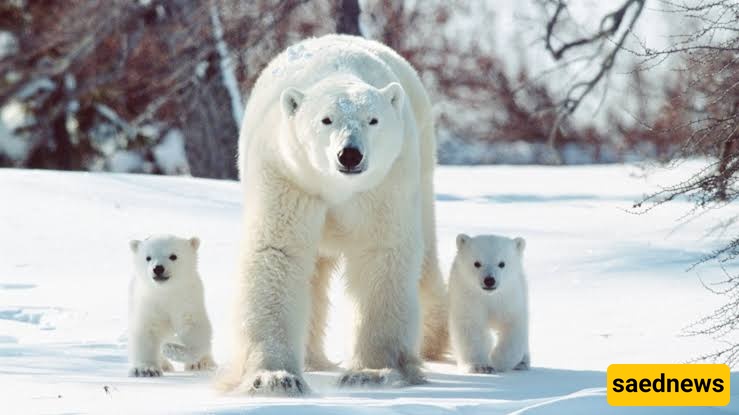
This shift, documented through long-term tracking studies in regions like Hudson Bay and Svalbard, has changed how they hunt. Instead of relying on seals from ice platforms, many bears are scavenging on land or traveling longer distances in search of food.
But can a land-based survival strategy replace a hunting system built on ice?
On tropical and subtropical coasts, sea turtles are experiencing a different kind of disruption. Rising sand temperatures affect both nesting timing and even the sex of hatchlings, since temperature determines gender in many turtle species.
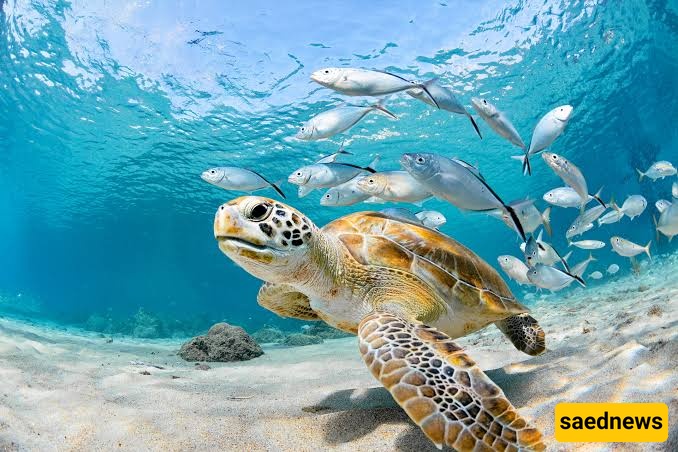
Field research conducted by conservation groups working with species like the loggerhead and green turtle shows shifts in nesting seasons and locations, with some populations moving further north.
What happens when entire generations are born under imbalanced conditions?
Insects are also reacting quickly to climate change. Mosquito species carrying diseases such as dengue and malaria are expanding into regions that were once too cold for survival.
Entomological monitoring networks in Europe and Asia have recorded range expansions for multiple species, changing not just ecosystems but also human health risks.
Could this mean that climate change is not only reshaping nature—but also reshaping disease patterns?
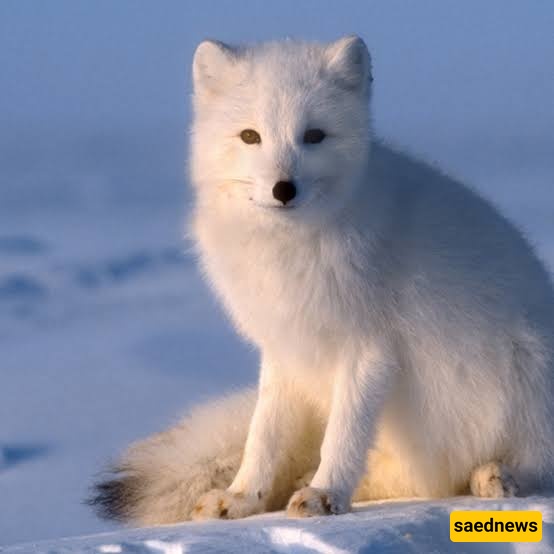
Red foxes are now appearing in areas once dominated by Arctic foxes, a shift linked to warming temperatures and habitat overlap. Similarly, some deer and rodent populations are altering feeding times and migration distances in response to changing vegetation cycles.
These behavioral changes are not random—they are survival responses. But they also trigger cascading effects across entire ecosystems.
So the question becomes: when one species adapts, who loses?
From oceans to forests, climate change is acting like an invisible force rewriting the rules of survival. Scientists emphasize that these changes are not isolated events but part of a global pattern documented across decades of ecological data.
And yet, one unsettling question remains—are we witnessing adaptation, or the beginning of irreversible disruption?
Because if animals are changing their behavior this quickly… what does that say about the stability of life on Earth?