SAEDNEWS: Learn the difference between mesh and hair highlights, along with popular highlighting techniques and how they are applied.
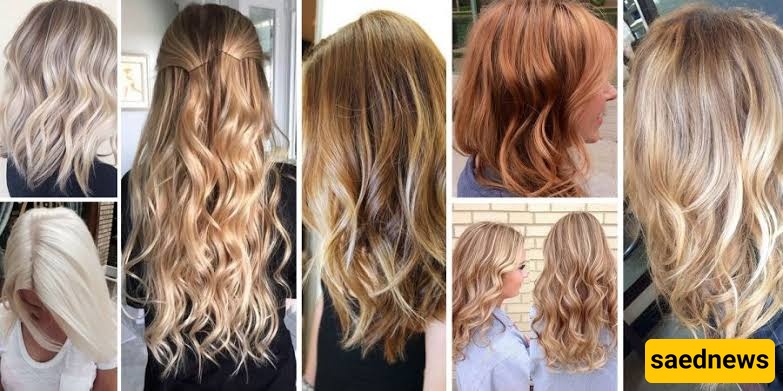
According to Saednews, If the difference between the base hair color and the selected strands is up to three levels, it is generally considered highlighting. If the difference is more than five levels, it is commonly referred to as streaking or high-contrast highlighting.
In theory, highlights are created when the selected strands are approximately three levels lighter than the base hair color. For example, if the base color is brown, the selected strands may be lightened by about three levels to create a subtle contrast.
Streaks, on the other hand, involve lightening selected strands much more significantly. The hair is first lightened to a very pale base, and then a toner is applied to achieve the desired shade. Depending on the toner used, different effects can be created, such as icy blonde, silver, or straw blonde.
The main difference is in the coloring process. Hair color can generally be used to create traditional highlights, whereas streaking usually requires bleaching powder to lift the selected strands to a much lighter base. With highlights, bleaching is not always necessary because the goal is not necessarily to take the hair all the way to a very light underlying base. For stronger, more defined streaks, however, pre-lightening with bleach is typically required.
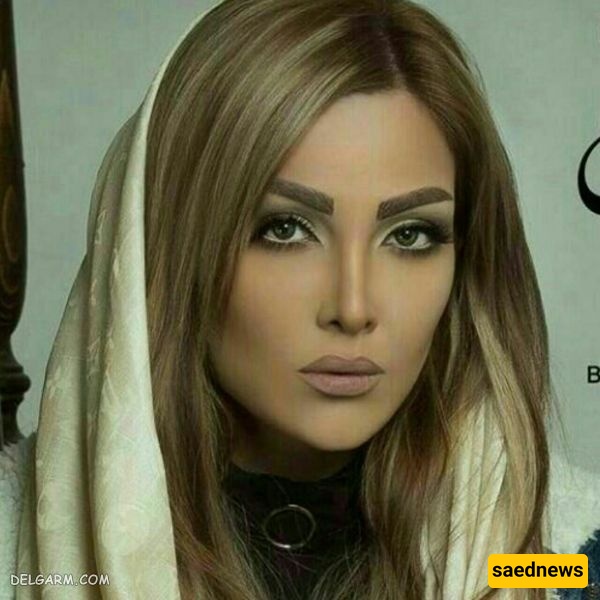
There is no universal answer as to whether highlights or streaks are better. The most suitable technique depends on factors such as skin tone, facial features, natural hair color, and personal style.
For example, very strong streaks can sometimes make a darker complexion appear deeper or more pronounced. However, the final result also depends heavily on the shade selected for the streaks.
The technique itself can make a significant difference as well. Fine, needle-like highlights create a very different appearance from larger sections of hair separated with foil.
Ultimately, choosing between highlights and streaks is largely a matter of personal preference. Sometimes a client may prefer a particular color or technique even when it is not traditionally considered the most flattering choice for their complexion.
Different Hair Highlighting Techniques
You may have heard various names for different highlighting techniques without knowing exactly how they differ, especially in terms of their final appearance. Here are some of the most popular highlighting styles.
Ribbon highlights, also known as ribbon-style highlights, are particularly suitable for people with wavy or curly hair. This technique emphasizes the natural movement and texture of the hair.
The technique creates organized sections of lighter color against a darker base. When the hair moves or curls, the highlighted sections appear like ribbons flowing through the hair.
For a more distinctive look, rainbow-colored roots or bright shades against a dark base can be incorporated into the technique.
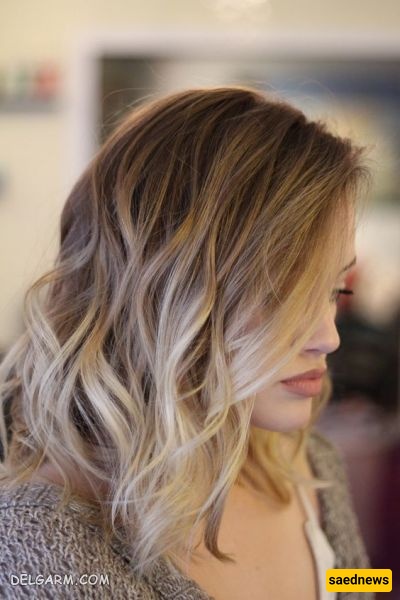
Lowlights are essentially the opposite of traditional highlights. Instead of making selected sections lighter, darker strands are incorporated into the hair to create depth and dimension.
The lighter sections are generally more visible on the upper layers of the hair, while darker strands can be seen underneath and toward the back, creating a multidimensional effect.
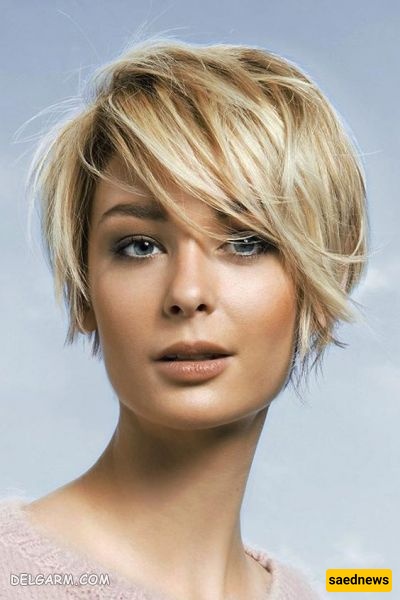
The term frosted refers to a very cool, icy appearance.
The hair is first lightened to a bright blonde. Selected strands are then lightened even further to create an almost icy, colorless effect. This produces a strong contrast between the very light strands and the surrounding blonde or darker hair.
This technique is particularly effective on very short hairstyles, where the frosted effect can create a clean, professional, and distinctive finish.
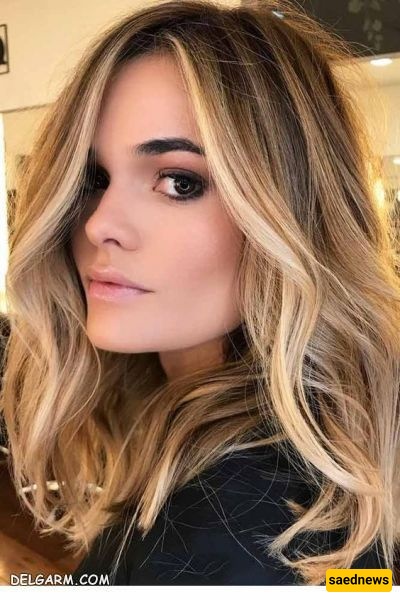
Balayage, often described as a freehand painting technique, is one of the most popular modern highlighting methods.
The stylist applies lighter and darker tones directly to different sections of the hair according to the desired look. This allows the intensity and placement of the highlights to be customized for each individual.
Balayage can create anything from a subtle, natural transition to a more dramatic contrast.
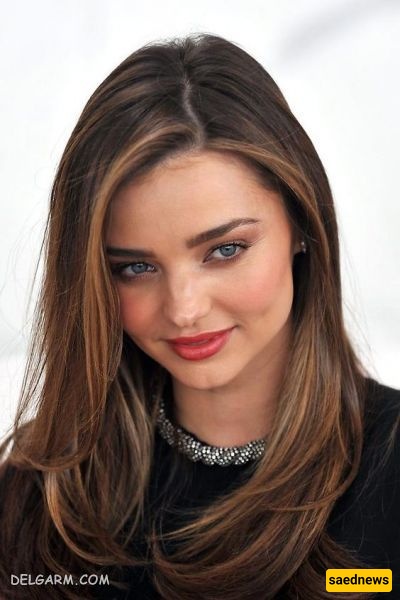
Babylights are inspired by the naturally lightened appearance often seen in children with naturally blonde hair.
Very fine, delicate strands are lightened throughout the hair, particularly around the face. The sections around the face are often made slightly lighter than the rest of the hair, creating a soft and naturally illuminated appearance.
Babylights are ideal for achieving a subtle, youthful, and natural-looking result.
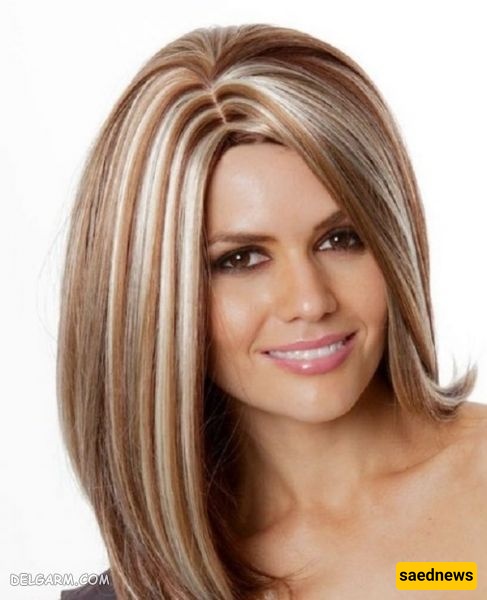
Fine-strand highlighting, sometimes called needle highlights, focuses on very small, delicate sections of hair.
The technique can be performed using either a highlighting cap or foil, depending on the desired result and the stylist's preferred method.
Because the strands are extremely fine, the finished look is generally more delicate and blended than bold highlighting techniques.
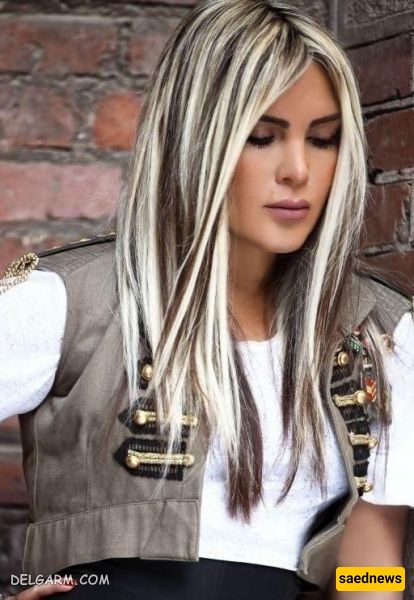
Chunky highlights are essentially the opposite of fine-strand highlights.
Instead of selecting tiny sections of hair, the stylist works with large, bold sections to create a more noticeable contrast.
Foils are typically used to separate the larger sections of hair. Because the sections are much wider, the resulting highlights are more prominent and dramatic.
Chunky highlights can be used to create a striking, high-contrast hairstyle, especially when the highlighted sections differ significantly from the base color.