SAEDNEWS: Iran’s Ground Forces commander has warned that any U.S. military presence entering Iran would face a forceful response, while saying army units in the southeast and along the Makran coast remain at full combat readiness.
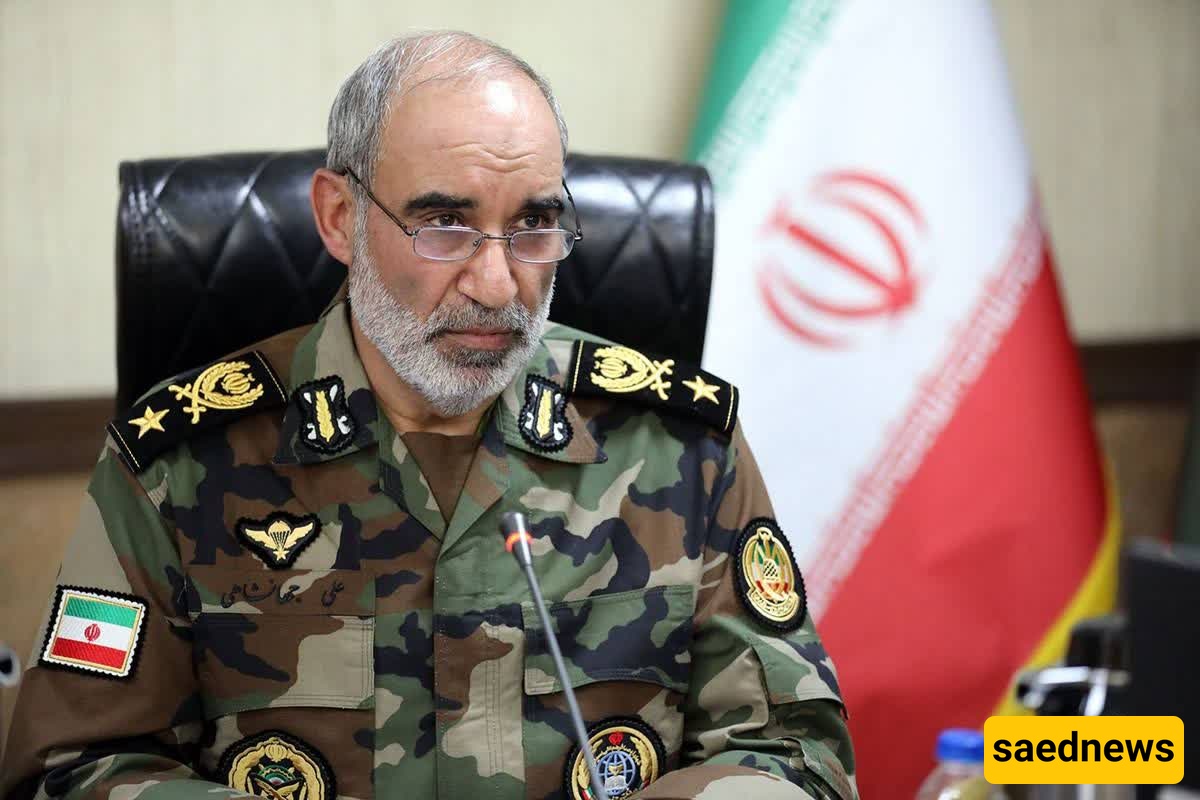
According to SaedNews: A senior Iranian army commander has issued a sharp warning over any potential U.S. military presence in Iran, saying the country’s ground forces are prepared to respond to hostile action while maintaining close surveillance of threats along its southeastern borders and the Makran coast.
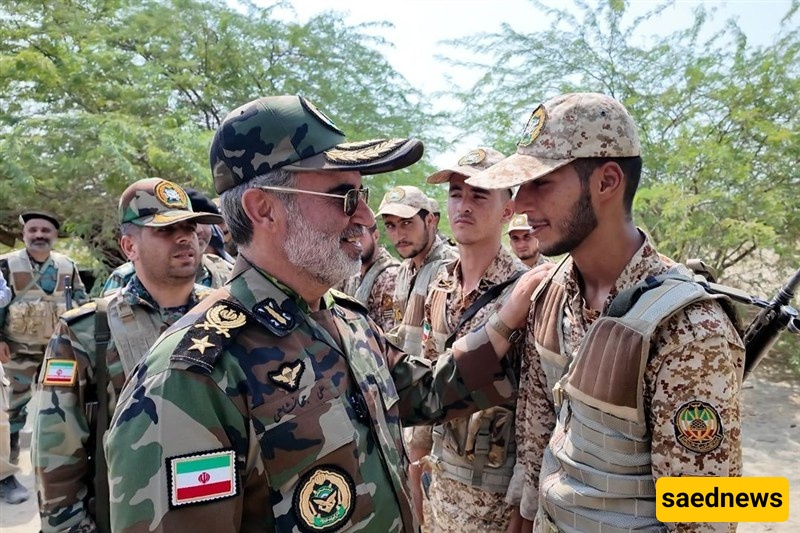
Brigadier General Ali Jahanshahi, commander of the Ground Forces of the Islamic Republic of Iran Army, made the remarks during a visit to army units in the southeastern regions and along the Makran coastline, including the Chabahar area.
Speaking to commanders as well as permanent and conscript personnel, Jahanshahi said the army’s ground units remain at full combat readiness. He pointed to continuous monitoring of movements and what he described as careful tracking of threats as key elements of that preparedness.
His message became particularly direct when he addressed the possibility of hostile action.
Jahanshahi said the Ground Forces had spent years conducting continuous, specialized and precise military training, particularly in preparation for confronting ground warfare and different forms of land-based threats. He said that if an enemy takes action, the response would be decisive and deterrent.
He then delivered the most striking line of his remarks, warning that if an American military presence were to enter Iran, “we will cut it off.”
The statement came as part of a broader assessment in which the Iranian commander emphasized both military preparedness and what he described as national resolve.
Jahanshahi argued that the actual capabilities of Iran’s adversaries have now become visible to the public. He also claimed that the resolve of Iran’s armed forces, together with public support for military personnel across different fronts, had strengthened national cohesion and disrupted the calculations of opponents of the Islamic Republic.
The commander placed particular emphasis on the role of training.
According to his remarks, the Iranian Ground Forces have spent recent years building their preparedness through ongoing specialized and combat-oriented instruction. The focus, he said, includes confronting ground-based threats and ensuring that units can respond if an enemy launches an operation.
That emphasis on preparation is especially relevant to the deployment of forces in border areas. Jahanshahi highlighted the presence of rapid-response units, special forces, drone units, artillery and armored formations in border regions.
He said the presence of these units serves not only to protect the country’s borders but also to contribute to lasting security.
The southeastern part of Iran, where the commander made his remarks, has strategic importance because of its location along the Makran coast and its proximity to the country’s southeastern borders. The visit therefore provided an opportunity for the army leadership to publicly underline the readiness of units stationed in the region.
Jahanshahi also linked military strength to public morale. He said Iran’s recent confrontations had demonstrated that defensive capabilities are only one part of the country’s strength, while the determination and spirit of the Iranian population also play an important role.
He portrayed public support for the armed forces as a factor that, in his assessment, has helped prevent Iran’s adversaries from achieving their objectives.
The commander’s comments therefore combined two themes: military preparedness and national resilience.
On the military side, he pointed to surveillance, specialized training and the deployment of multiple types of forces, including drones, artillery and armored units. On the national side, he emphasized what he described as the continued support of the Iranian public for military personnel.
The most forceful part of the message, however, was directed at any potential U.S. military presence. Jahanshahi did not provide additional details about a specific U.S. deployment or identify a particular operation. His statement was framed as a warning about what Iran’s response would be if an American military presence entered the country.
His remarks also did not change the broader focus of the visit: assessing the readiness of Iranian Ground Forces units in the southeast and along the Makran coast.
For Iran’s military leadership, maintaining readiness appears to remain a central message. The commander’s comments emphasized that border units are expected to monitor developments continuously, remain prepared for different types of threats and respond if hostile action occurs.
The combination of rapid-response forces, special units, drones, artillery and armored formations was presented as part of that defensive posture.
Ultimately, Jahanshahi’s remarks were both a statement of military readiness and a warning aimed at potential adversaries. His strongest message was that any hostile military move would encounter an Iranian response, while his broader comments stressed training, border surveillance and the role of public support.
As the situation in the region continues to draw attention, statements from senior military officials such as this one are likely to remain closely watched. For now, the message from Chabahar is clear: Iran says its ground forces are maintaining a high state of readiness and intends to respond forcefully to any action it considers a threat.