SAEDNEWS: Under-eye skin laxity can be improved through a combination of home remedies, targeted skincare products, and professional clinical treatments.
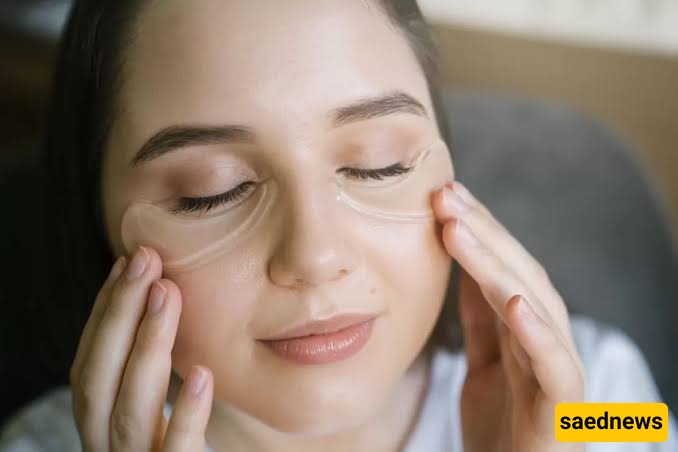
According to Saednews, The skin beneath the eyes is one of the most delicate and thinnest areas of the face. As we age, genetic factors, an unhealthy lifestyle, and exposure to environmental pollutants can cause this area to develop sagging, fine lines, wrinkles, and darkening earlier than other parts of the face. Improving the firmness of the under-eye area can help create a more youthful appearance and may also boost self-confidence.
The skin under the eyes can lose its elasticity for several reasons:
Reduced collagen and elastin: As we age, the production of collagen and elastin decreases. These proteins help maintain the skin's firmness, structure, and flexibility.
Genetic factors: Some people naturally have thinner skin around the eyes, making signs of aging more noticeable.
Sun exposure: Ultraviolet (UV) radiation can damage collagen and contribute to the development of fine lines and wrinkles.
Lack of sleep and stress: Poor sleep and prolonged stress can affect the body's hormonal balance and may contribute to collagen breakdown and a tired-looking eye area.
Poor nutrition: Insufficient intake of nutrients such as vitamins C and E and essential fatty acids can negatively affect overall skin health.
Repeated facial movements: Frequent eye rubbing, squinting, and frowning can contribute to the appearance of fine lines over time.
Gentle massage around the eyes may improve circulation and temporarily reduce puffiness. Using the ring finger, which naturally applies less pressure, gently move from the inner corner of the eye toward the outer corner.
A few minutes of gentle massage may be incorporated into a daily skincare routine. Avoid pulling or stretching the delicate skin.
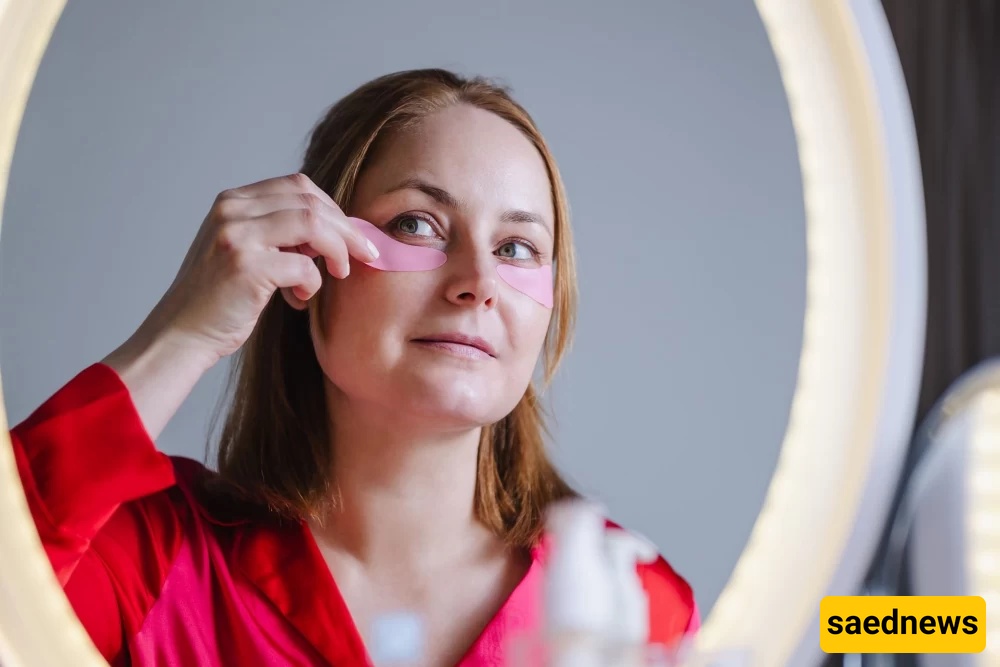
Cold temperatures can temporarily constrict blood vessels and help reduce under-eye puffiness. A chilled spoon, cold compress, or chilled cucumber slices can be used.
Place the cold compress over the closed eyes for approximately 10–15 minutes. Avoid applying ice directly to the skin.
Egg white mask: Egg whites contain proteins that can temporarily make the skin feel tighter as they dry. If you choose to use one, apply a small amount carefully and keep it away from the eyes. Rinse thoroughly after about 15 minutes.
Aloe vera: Aloe vera gel contains compounds with moisturizing and soothing properties. Apply a small amount to the skin and leave it on for approximately 10 minutes before rinsing if needed.
Coconut oil: Coconut oil contains fatty acids and can help moisturize dry skin. However, it does not permanently tighten loose skin, and care should be taken to prevent it from getting into the eyes.
Vitamin C: Found in citrus fruits, kiwi, and bell peppers, vitamin C plays an important role in collagen production.
Vitamin E: Found in nuts, seeds, and olive oil, vitamin E contributes to the skin's antioxidant defenses.
Omega-3 fatty acids: Found in salmon, walnuts, and flaxseeds, omega-3 fatty acids can support the skin barrier and help maintain moisture.
Adequate water intake: Staying properly hydrated supports overall skin health. Individual fluid needs vary depending on factors such as activity level, climate, and diet.
Retinol, a vitamin A derivative, is one of the most studied topical ingredients for improving the appearance of fine lines and supporting collagen production.
Because the skin around the eyes is particularly sensitive, products containing retinol should be introduced gradually. Avoid applying retinol too close to the eyes and follow the product's instructions.
Peptides are short chains of amino acids that are commonly used in skincare products designed to support the appearance and structure of aging skin.
Peptide-based eye products can be incorporated into a morning or evening skincare routine according to the manufacturer's directions.
Vitamin C is an antioxidant that can help protect the skin from environmental oxidative stress and may improve the appearance of uneven skin tone.
Products formulated specifically for the eye area are generally preferable because the skin around the eyes can be particularly sensitive.
Hyaluronic acid is a humectant that attracts and retains water in the skin. By increasing hydration, it can temporarily make fine lines appear less noticeable and give the skin a smoother appearance.
Daily sun protection is important for preventing UV-related skin damage and premature signs of aging. Use a broad-spectrum sunscreen with an SPF of at least 30 and apply it carefully around the eye area while avoiding direct contact with the eyes.
Sunglasses can provide additional protection from UV exposure and reduce squinting in bright conditions.
When topical skincare and lifestyle changes are not enough, several professional treatments may be considered. The most appropriate option depends on the cause and severity of the under-eye concerns.
Microneedling uses very fine needles to create controlled micro-injuries in the skin. This process can stimulate the body's natural wound-healing response and support collagen production.
Treatment plans vary, and several sessions may be recommended depending on the individual's skin and treatment goals.
Fractional lasers, including certain CO₂ and erbium laser treatments, create controlled areas of skin injury to stimulate the skin's renewal process and collagen production.
Laser treatment may help improve the appearance of wrinkles, uneven texture, and some forms of skin laxity. The appropriate laser and treatment intensity depend on the individual's skin type and condition.
Hyaluronic acid fillers can restore volume in selected areas beneath the eyes and may reduce the appearance of hollows and shadows.
Fillers do not directly tighten loose skin, and the under-eye area requires particular expertise because of its delicate anatomy. Results are temporary and vary depending on the product and individual.
Botulinum toxin injections can temporarily reduce certain fine lines caused by repeated facial muscle activity, particularly around the outer corners of the eyes.
The effects generally last several months, although duration varies from person to person.
PRP treatment involves processing a sample of the patient's blood to concentrate platelets and then injecting the resulting plasma into the targeted area.
PRP is intended to support tissue repair and stimulate biological processes associated with collagen production. Results and effectiveness can vary.
Ultrasound-based treatments use focused ultrasound energy to heat deeper layers of tissue and stimulate collagen remodeling.
Results generally develop gradually rather than immediately and may become more noticeable over the following months.
Blepharoplasty, commonly known as eyelid surgery, is a surgical procedure used to remove or reposition excess skin and fat and, when necessary, modify underlying muscle or tissue.
It can be an effective option for significant eyelid or under-eye skin laxity. The longevity of the results depends on factors such as age, genetics, skin quality, and the specific procedure performed.
Because the procedure involves the delicate structures around the eyes, it should be performed by an appropriately qualified and experienced surgeon.
Several everyday habits can help protect the delicate skin around the eyes:
Get enough sleep: Aim for approximately 7–8 hours of quality sleep each night.
Elevate your head while sleeping: Slightly raising the head can help reduce fluid accumulation and morning puffiness for some people.
Avoid rubbing your eyes: Frequent rubbing can irritate and mechanically stretch the delicate skin.
Wear sunglasses: Sunglasses can help protect the eye area from UV radiation and reduce squinting in bright conditions.
Avoid smoking: Smoking can impair circulation and contribute to collagen and elastin damage.
Manage stress: Regular physical activity, relaxation techniques, meditation, yoga, and breathing exercises may help manage chronic stress.
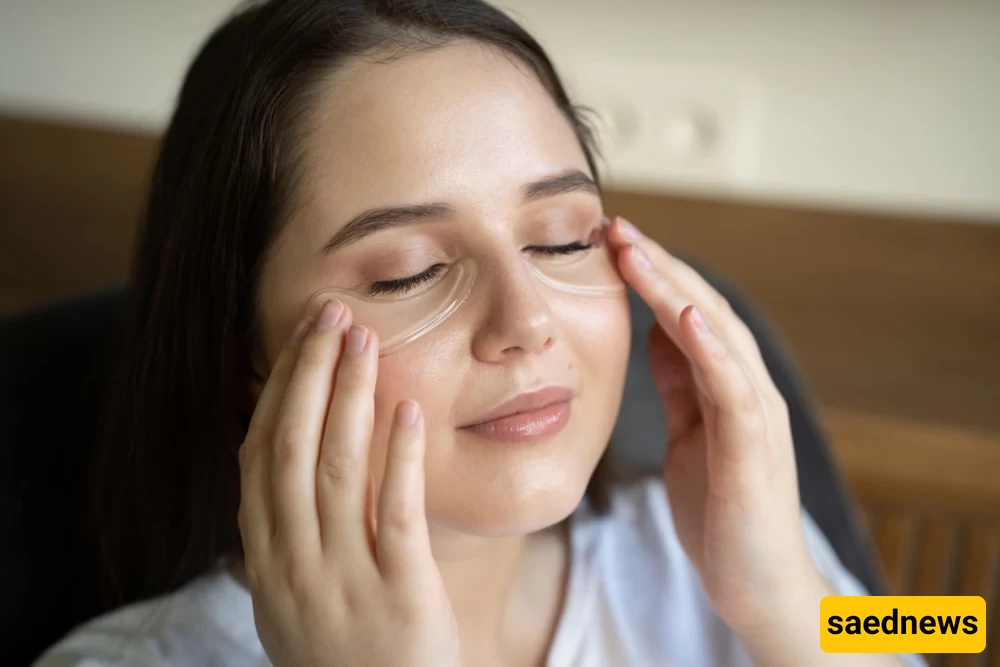
Cleanse the face with a gentle cleanser.
Apply a vitamin C serum if tolerated.
Apply a peptide-based eye product.
Finish with broad-spectrum sunscreen with SPF 30 or higher.
Remove makeup with micellar water or a gentle cleansing product.
Cleanse the face with a mild cleanser.
Use a retinol product 2–3 times per week if appropriate and tolerated.
Apply a moisturizing eye product containing hyaluronic acid.
Introduce new active ingredients gradually, especially around the eyes, and stop using a product if it causes persistent irritation.
If under-eye skin laxity continues despite appropriate skincare and lifestyle measures, consider consulting a dermatologist or a qualified plastic or oculoplastic surgeon. A professional assessment can help determine whether the issue is primarily caused by loose skin, loss of volume, pigmentation, puffiness, or a combination of factors.
Medical evaluation is particularly important if you experience:
Severe or sudden swelling beneath the eyes
An unusual or sudden change in skin color
Pain, burning, or significant irritation around the eyes
Severe eyelid or under-eye drooping that interferes with vision
Under-eye skin changes are a normal part of aging, but factors such as sun exposure, genetics, sleep, smoking, and skincare habits can influence how early and how noticeably they appear. Consistent sun protection, adequate sleep, a balanced diet, gentle skincare, and appropriate active ingredients can help maintain healthier-looking skin.
For significant skin laxity, professional treatments may provide additional options. The best approach depends on the underlying cause, skin type, age, and individual goals, so a qualified medical professional should evaluate persistent or severe concerns before treatment.