Saed News: Long-term consumption of high-sugar diets may have effects on memory and brain cognitive function that may not be fully reversible even after switching to a healthy diet, a topic that has drawn increasing attention from scientists to the role of prevention in brain health.
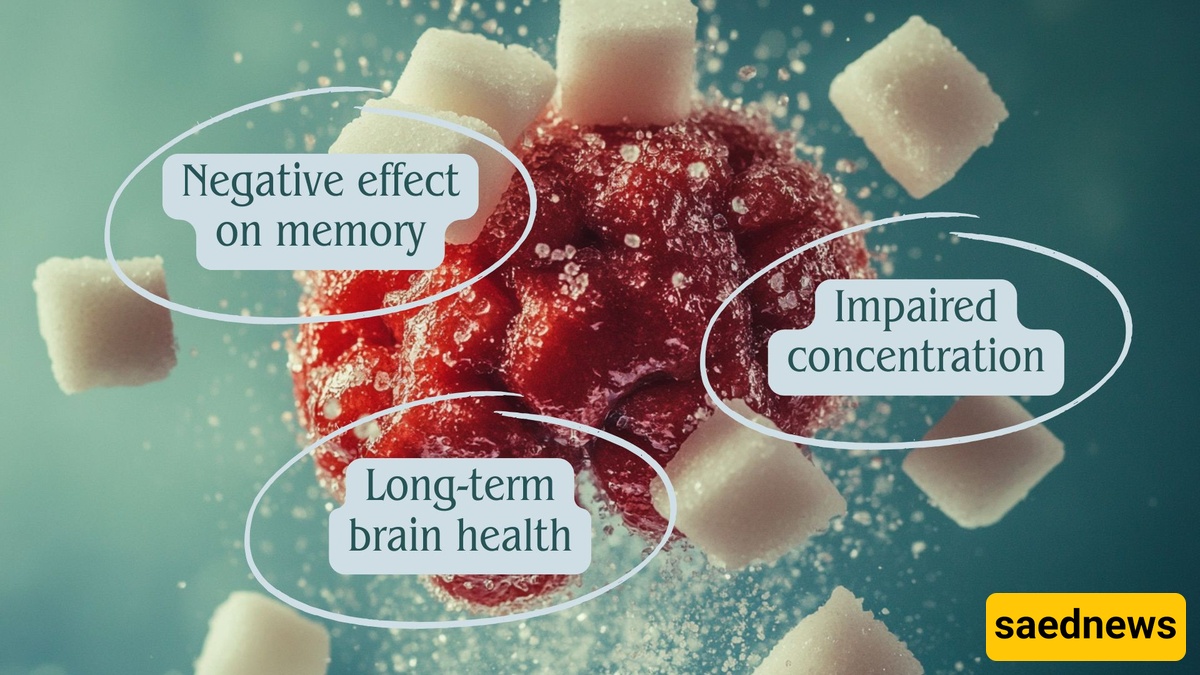
According to SAEDNEWS, many of us know that excessive consumption of sugar is linked to obesity, diabetes, and tooth decay; however, studies now show that the real “cost” of this sweet craving may be our memory. The key question is: if we improve our diet, can we reverse the damage done to the brain?
Researchers at the University of Technology Sydney (UTS), by reviewing 27 preclinical studies on mice, found that although switching from an unhealthy (high-fat and high-sugar) diet to a healthy one improves memory, this improvement is “incomplete.”
Key result: Even after weeks of following a healthy diet, memory performance in animals that previously had unhealthy diets never returned to the level of those that had always eaten healthily.
According to Simon Rehn, the lead author of the study, while clear improvements in memory are observed after removing high-fat diets, diets high in added sugar (especially in combination with fat) show the least signs of cognitive recovery. This suggests that sugar may be the main limiting factor in memory restoration.
Research shows that damage caused by unhealthy diets is concentrated in a brain region called the hippocampus. The hippocampus plays a vital role in learning, memory, and appetite regulation. A reduction in its volume and function due to sugar consumption is directly linked to cognitive decline.
Important Message for Humans
Researchers emphasize that, contrary to popular belief, “diet change” is not a reset button that can completely erase past damage. While improving nutrition is valuable at any age, “preventing long-term exposure to unhealthy diets” is the only way to ensure brain health.