Saed News: Mint is a plant that greatly helps with weight loss and slimming.
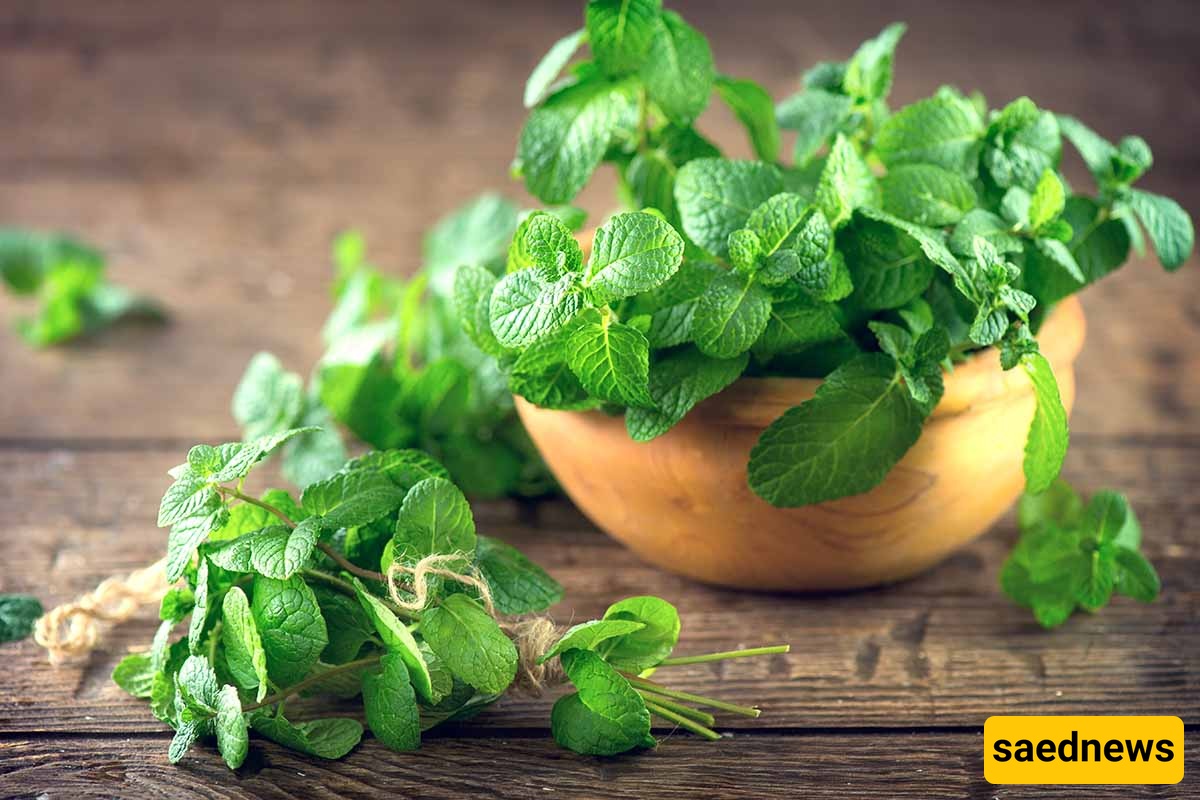
According to SAEDNEWS, mint is the name of a genus of herbaceous, perennial plants from the Lamiaceae family. This plant is known for its strong aroma, sharp and cooling taste, and numerous medicinal properties. The mint plant has many benefits for the body. Below, we discuss the properties of this aromatic herb.
Stem: Square-shaped, upright or creeping along the ground, green or reddish in color.
Leaves: Opposite, sessile or with short petioles, pointed, with serrated edges and a wrinkled or smooth surface.
Flowers: Small, white, pink, or purple, arranged in compact whorls at the end of the stem or beside the leaves.
Root: A creeping rhizome (underground stem) that allows the plant to spread rapidly.
Essential oil: Contains menthol, which creates a cooling sensation and has pain-relieving, anti-inflammatory, and antimicrobial properties.
Flavonoids and tannins: Provide antioxidant and astringent effects.
Bitter compounds and vitamins: Include vitamins A and C and some minerals.
Peppermint: A hybrid of watermint and spearmint, high in menthol (up to 40%), with the strongest medicinal properties.
Spearmint (Garden Mint): Lower menthol content, milder aroma, suitable for teas and food.
Watermint: Grows near water, strong aroma.
Apple mint, pineapple mint, and chocolate mint: Aromatic ornamental varieties with limited culinary use.
Soil: Fertile, moist, well-drained, slightly acidic to neutral (pH 6–7).
Light: Full sun to partial shade.
Propagation: Easily propagated through stem cuttings or rhizome division (pot cultivation is recommended because it spreads rapidly in gardens).
Watering: Regular and abundant, but not waterlogged.
Harvesting: Before flowering (late spring to early summer) for maximum essential oil content.
Acid reflux and hiatal hernia: May worsen symptoms, especially peppermint.
Gallstones: Excess consumption may stimulate the gallbladder.
Young children: Mint essential oil should never be applied near the nose or given orally due to risk of respiratory arrest.
Pregnancy and breastfeeding: Mild spearmint tea is generally safe, but medicinal doses of peppermint and its oil are prohibited.
Cooking: Flavoring tea, salad, sauces, desserts, syrups, and meat dishes (such as mint in ghormeh sabzi).
Hygiene and cosmetics: Toothpaste, mouthwash, shampoo, soap, and perfume.
Insect repellent: Mint oil repels ants, mosquitoes, and flies.
Helps with weight loss and slimming
Relieves respiratory problems
Eases throat congestion and bronchitis
Detoxifies the body with mint
Regulates uterine blood flow
Helps reduce severe menstrual pain
Helps treat minor infections
Increases body energy
Helps treat colds