SAEDNEWS: Discover Japan’s Most Beautiful Castles: A Guide to Japan’s Stunning Historic Castles, Famous Japanese Castles, and Must-See Attractions
According to Saednews, Japanese castles are very different from those built in Europe. Although they look quite distinct, they were constructed for similar reasons. In the Land of the Rising Sun, these castles first appeared in the 15th century, when Japan was divided by warring states. Later, they served as administrative buildings and residences for feudal lords.
At one time, Japan had as many as 5,000 castles. Today, however, only around 100 castles from the feudal period remain. These wooden and stone structures offer visitors a glimpse into Japan’s fascinating past.
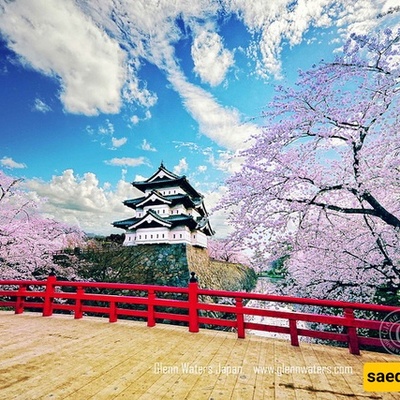
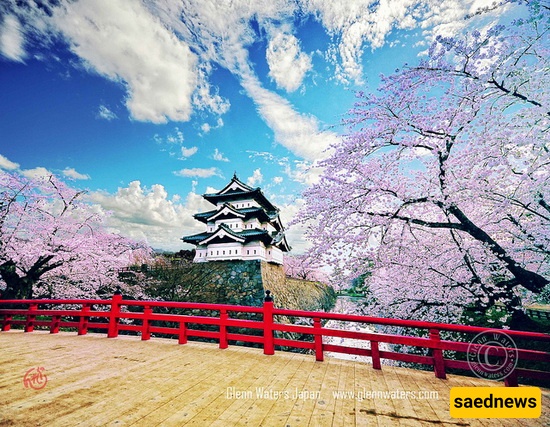
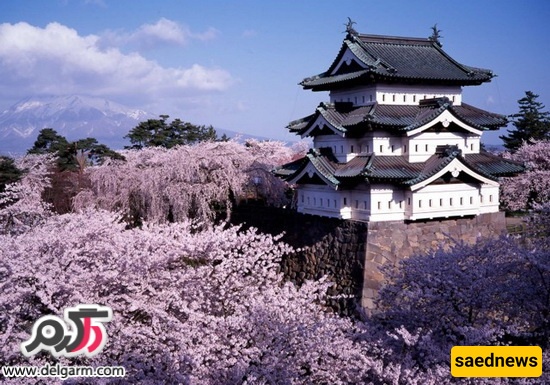
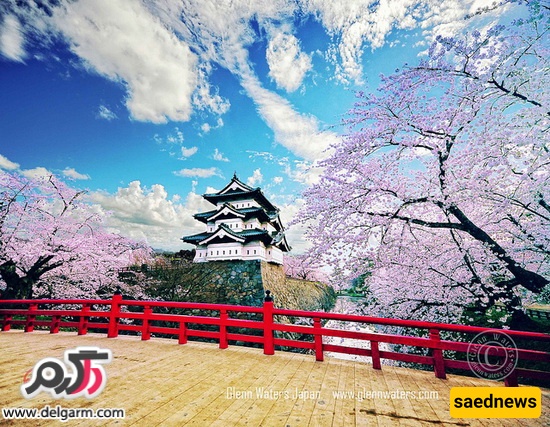
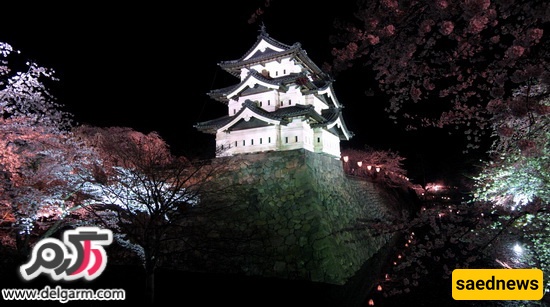
Hirosaki Castle is one of the most beautiful castles in Japan. Located on a hill in northern Japan, it is known for its five tower-like gates, fortified moats, and extensive grounds.
The surrounding grounds, castle gates, and lush green scenery create a peaceful and beautiful setting for visitors. More than 2,500 cherry trees grow in and around the castle, and every spring, their stunning blossoms provide the backdrop for one of the region’s largest cherry blossom festivals.
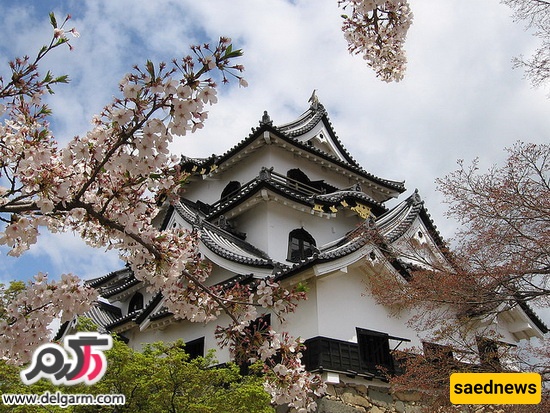
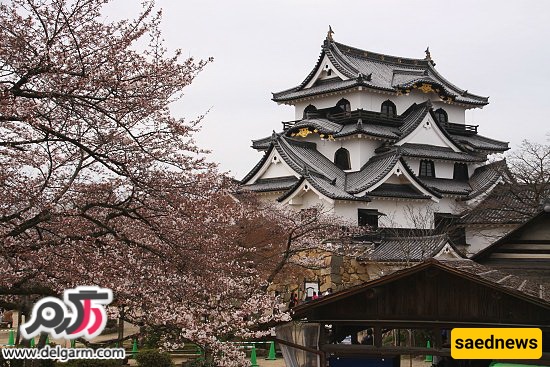
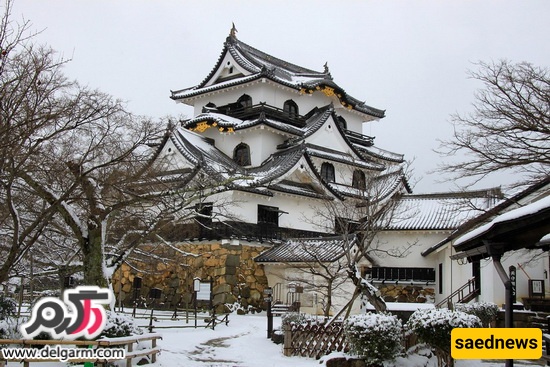
Hikone Castle offers visitors an authentic glimpse into Japanese castles during their golden age. Its traditional gardens and original gates have been carefully preserved.
The Hikone Castle complex also contains structures and materials collected from other castles throughout Japan. After approximately 20 years of construction, the castle was completed in 1662.
Today, a museum near Hikone Castle houses treasures and precious artifacts belonging to the castle’s former ruling family.
Matsue Castle is the only surviving castle associated with the former Izumo region’s feudal domain in southwestern Japan.
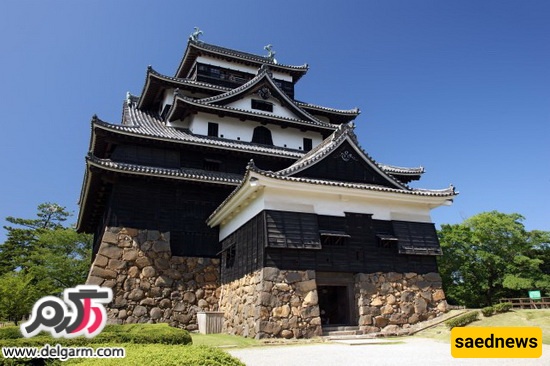
Although the castle was designed for defensive purposes and features watchtowers, it was never actually used in military combat. It was built after Japan’s last major feudal war.
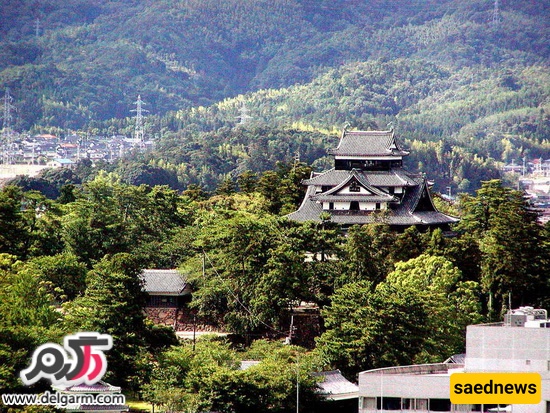
Much of the castle complex was demolished in 1875, leaving only the main keep and stone walls. Restoration work began in the 1950s.
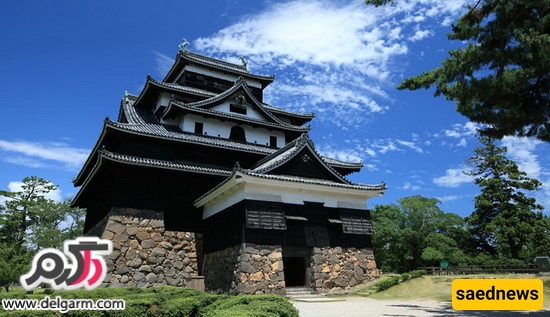
In addition to exploring the castle’s interior, visitors can enjoy boat tours around its exterior.
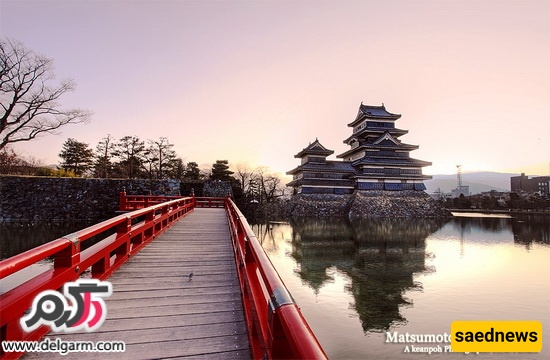
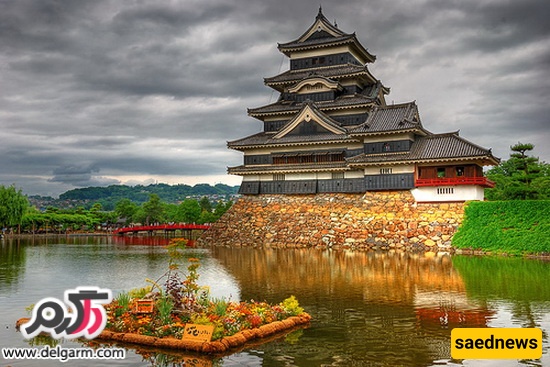
Matsumoto Castle is located in a mountainous region north of Tokyo. Built with stone foundations and surrounded by a large moat, it is one of Japan’s most distinctive historic castles.
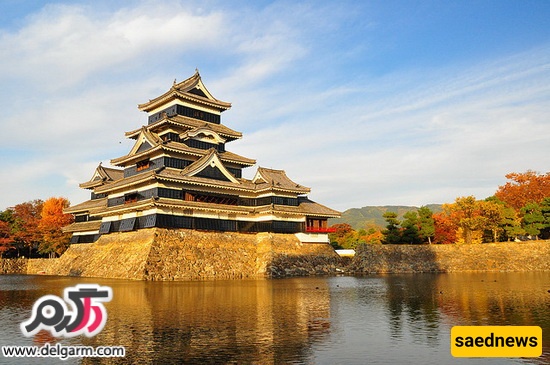
The castle was constructed in 1590. Unlike many Japanese castles built on hills, Matsumoto Castle stands on flat land, as it was primarily designed to serve as a fortified stronghold.
Himeji Castle was one of the most effective fortresses in feudal Japan and was built during the period when the Hyogo region was under the control of powerful feudal lords.
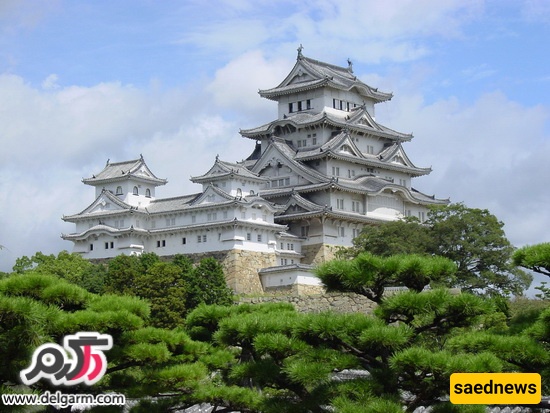
In the past, it was known as the White Heron Castle because its white-plastered towers resemble a white heron spreading its wings in flight.
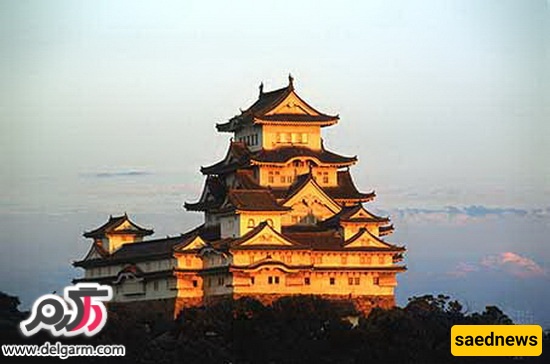
The castle took its present form in the early 17th century, with major construction and expansion taking place around 1601.
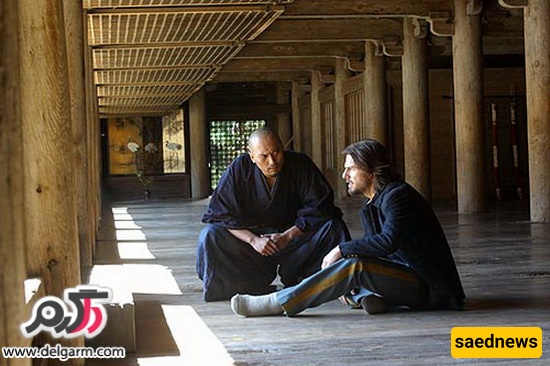
Himeji Castle has also served as a filming location for numerous movies, including the James Bond film You Only Live Twice and The Last Samurai, starring Tom Cruise.