SAEDNEWS: Islamic Architecture – Architectural Masterpieces of the Islamic
According to Saednews, Islamic culture boasts a rich architectural heritage, so much so that Islamic architecture is celebrated worldwide as a masterpiece. The intricate decorations and delicate façade designs of Islamic buildings are among the distinctive features that make this architectural style unique.
This article introduces ten historic, luxurious, and modern architectural landmarks across Islamic countries, including three located in Iran.
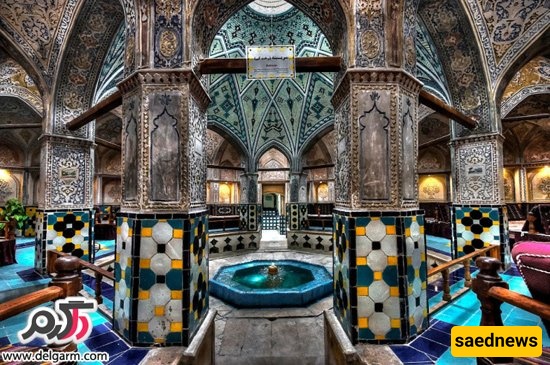
Built during the Safavid era in the 16th century, the Sultan Amir Ahmad Bathhouse, once used as a public bathing facility, has now become a popular tourist attraction. In 1976, it was registered as one of Iran’s national heritage sites. Its exquisite tilework, featuring beautiful colors such as turquoise and gold, creates a peaceful and captivating atmosphere for visitors.
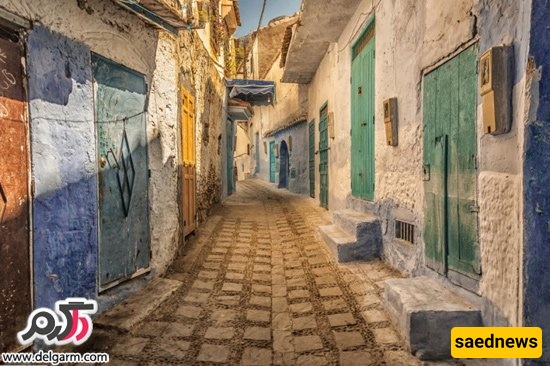
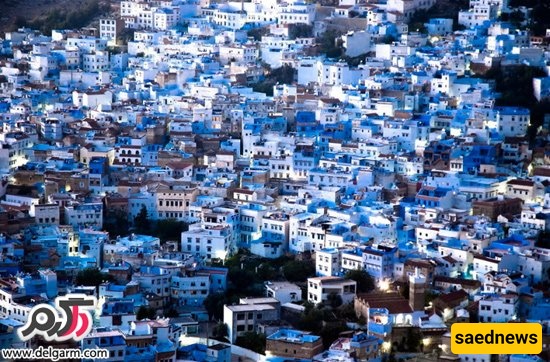
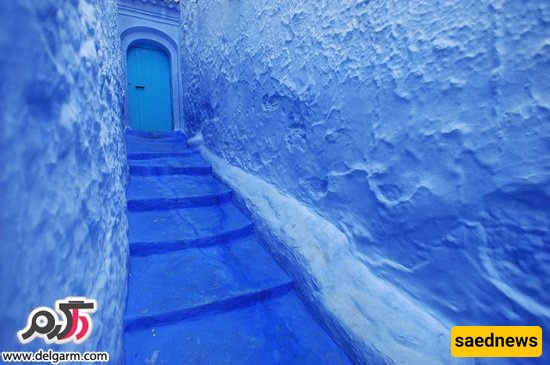
In the 15th century, a village emerged in the heart of the Rif Mountains. Its cultural heritage, historical character, and distinctive blue-painted streets attract numerous tourists every year. Walking through its narrow streets, exploring local handicraft markets, and tasting traditional Moroccan dishes make visiting Chefchaouen a truly unique experience.
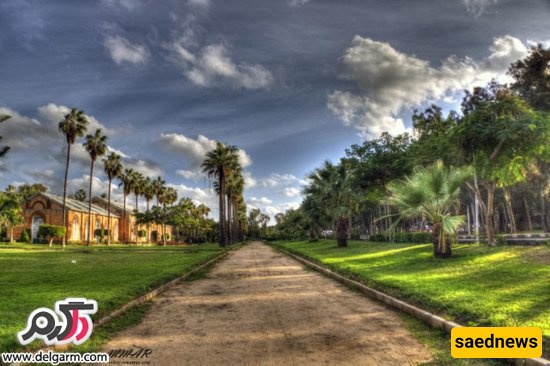
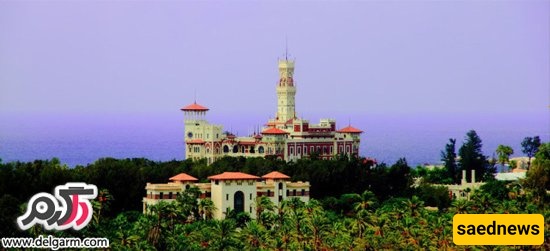
In 1932, Montaza Palace was built along the beautiful Mediterranean coast as a summer residence for King Fuad I of Egypt. Its architectural design combines Turkish and Florentine styles. Today, this historic palace, surrounded by magnificent royal gardens, is open to visitors.

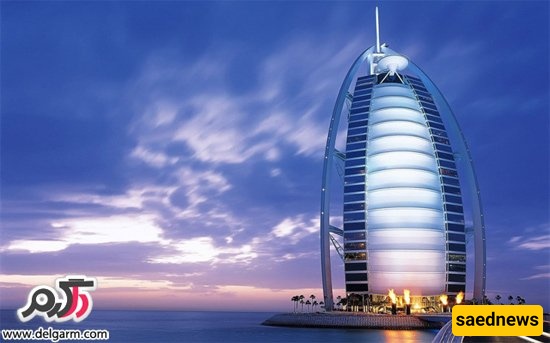
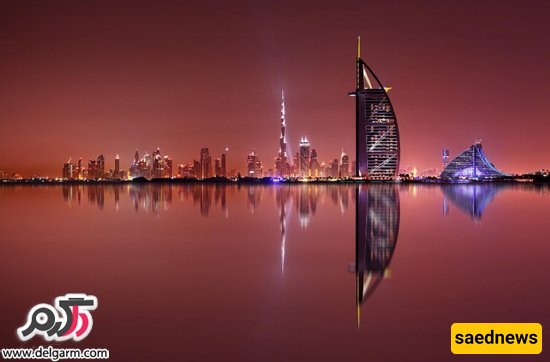
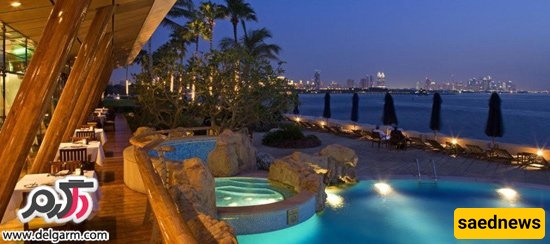
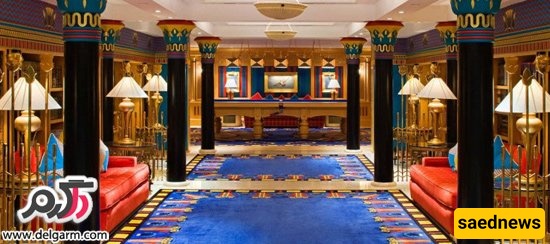
Located in Dubai, the Burj Al Arab is one of the world’s most luxurious hotels and is widely associated with the concept of a seven-star hotel. Its distinctive exterior resembles a giant sail rising majestically against the skyline.
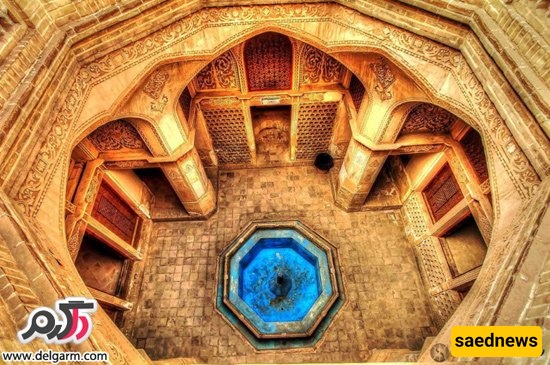
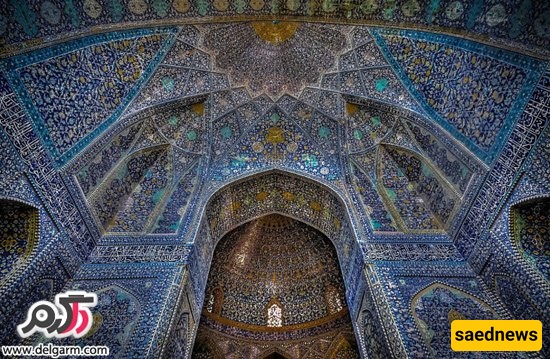
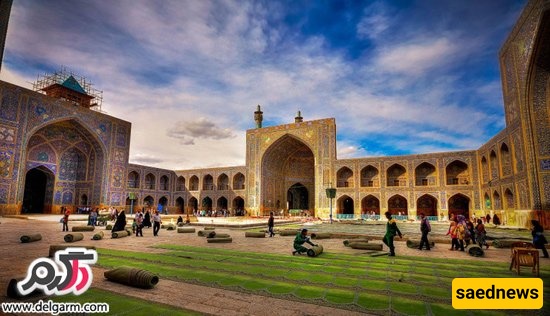
The magnificent Jameh Mosque of Isfahan is the result of continuous construction and renovation spanning the 7th through the 20th centuries. It is one of Iran’s oldest religious buildings and a remarkable example of Persian architecture. Its monumental design showcases the extraordinary skill and creativity of Iranian architects.
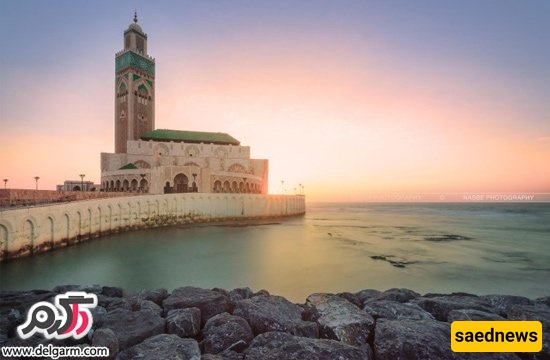
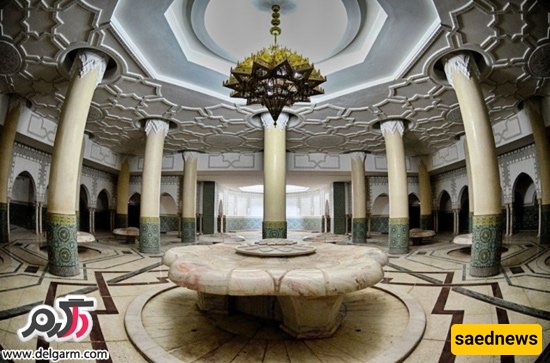
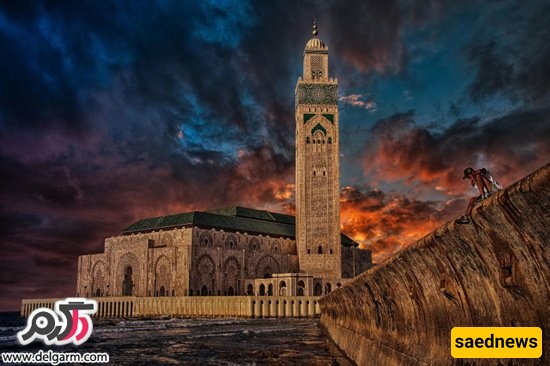
Completed in 1993, this magnificent marble mosque stands on the Atlantic coast. Hassan II Mosque is one of Africa’s largest mosques, and its 210-meter minaret is among the tallest in the world. The mosque is surrounded by spectacular views of the Atlantic Ocean.
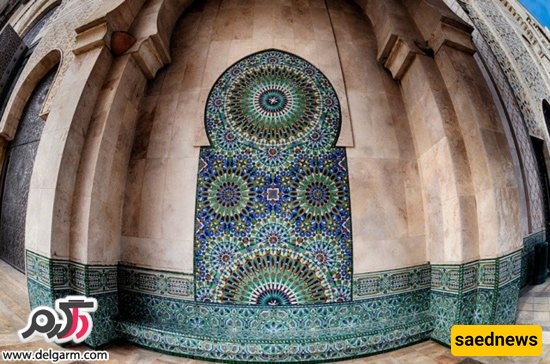
The Alhambra is a stunning palace and fortress complex built during the period of Muslim rule in Spain. Its design reflects an idealized vision of the beauty of paradise, making the entire complex exceptionally enchanting. Its gardens, fountains, waterways, and magnificent Islamic architectural details contribute to its extraordinary beauty.

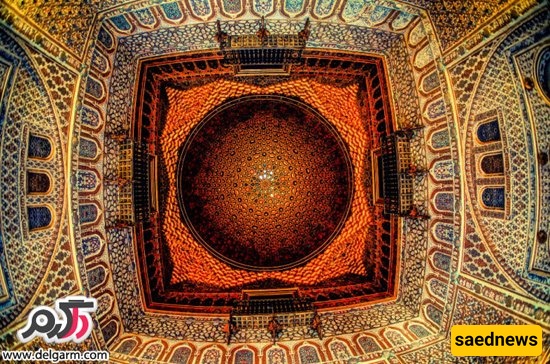
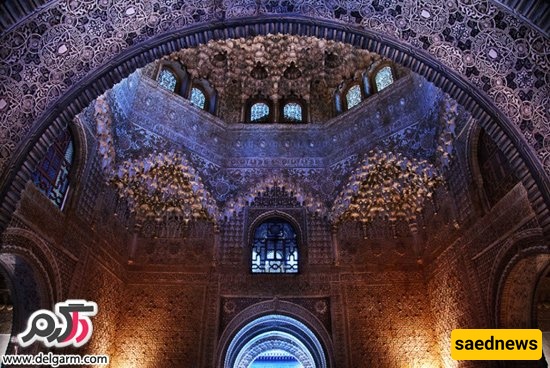
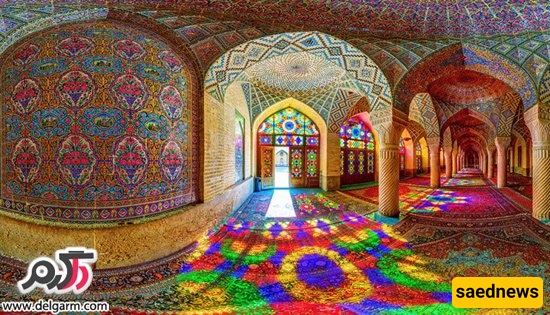
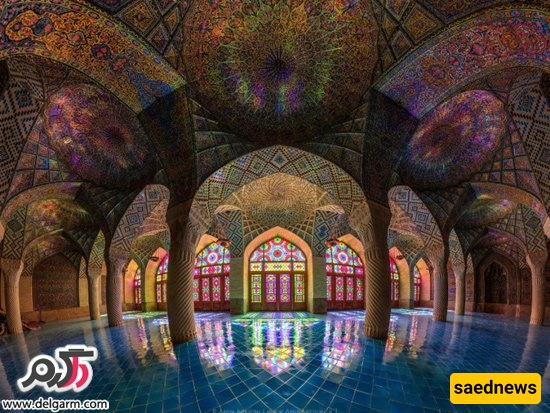
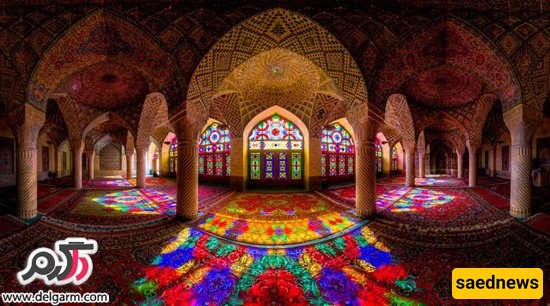
Built in 1888, the Nasir al-Mulk Mosque in Shiraz is a remarkable example of Persian architectural artistry. Its colorful stained-glass windows are particularly striking when sunlight passes through them, filling the interior with vibrant shades of color and creating a breathtaking visual effect.
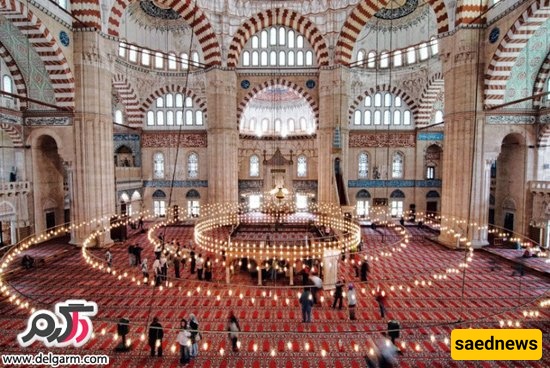
Constructed in the 16th century, Selimiye Mosque is one of the finest examples of Ottoman architecture in Turkey. It is located in Edirne, in the European part of the country. On June 28, 2011, the mosque was added to the UNESCO World Heritage List during a meeting of the World Heritage Committee in Paris. Its design and architectural features exemplify the grandeur of Islamic architecture.
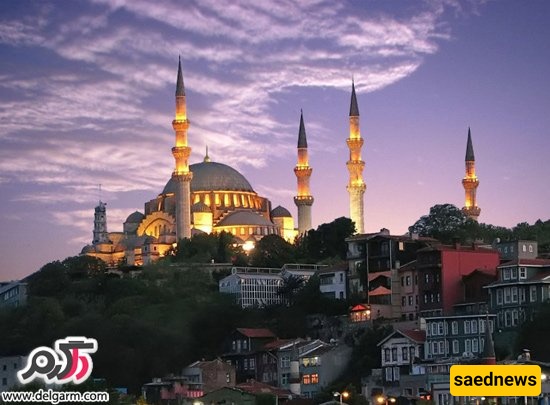
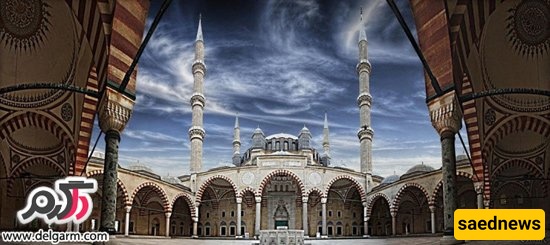
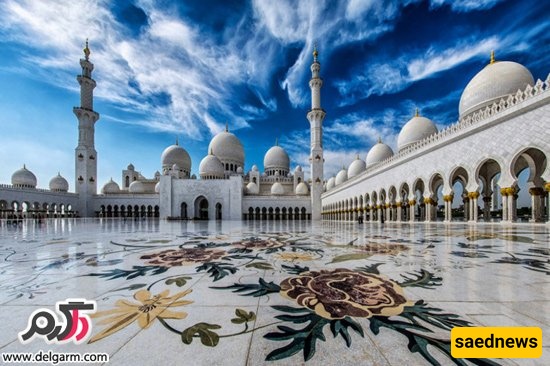
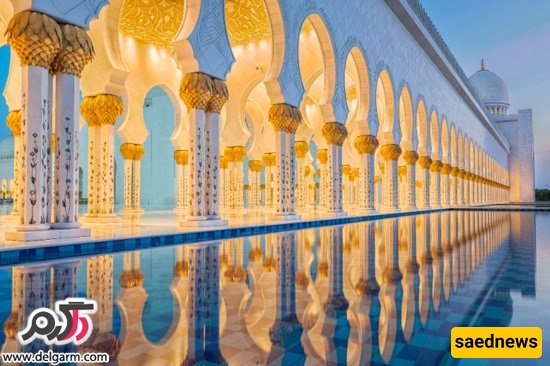
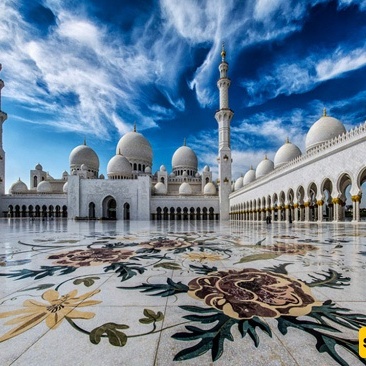
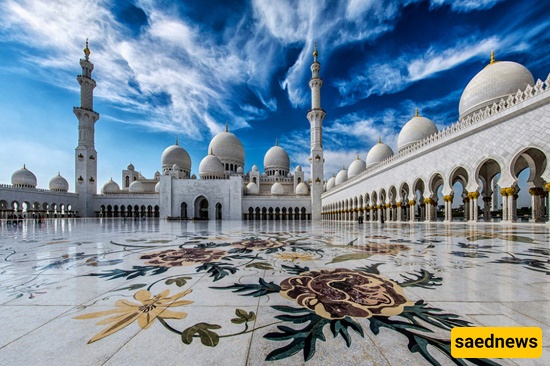
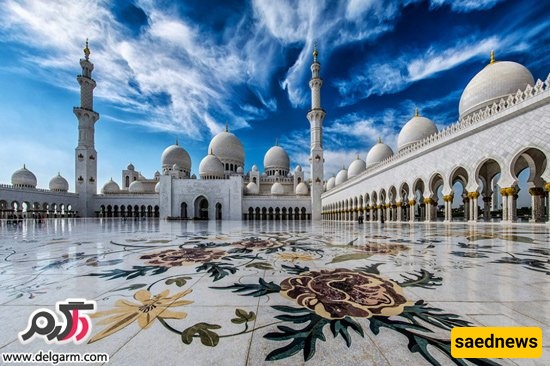
The Sheikh Zayed Grand Mosque is located in Abu Dhabi and is one of the most famous landmarks in the United Arab Emirates. It is the third-largest mosque in the world, after the Grand Mosque in Mecca and the Prophet’s Mosque in Medina.
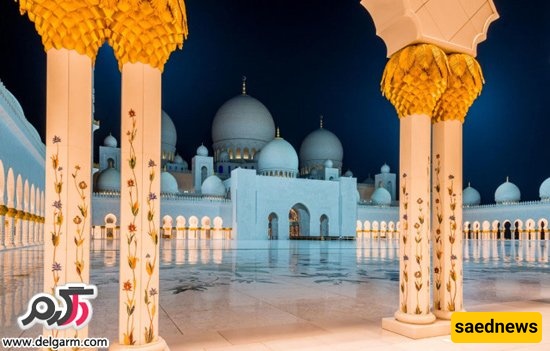
The mosque is named after Sheikh Zayed bin Sultan Al Nahyan, the founder and first president of the United Arab Emirates, who is buried on the mosque’s grounds. The mosque was officially opened during Ramadan in 2007.
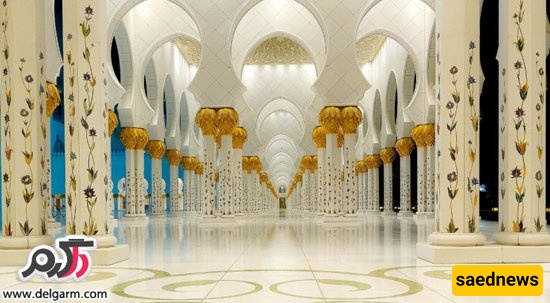
Its magnificent domes, elegant minarets, intricate ornamentation, and impressive design make it one of the most celebrated examples of contemporary Islamic architecture.