SAEDNEWS: An extraordinary village with a fascinating history has attracted considerable attention. Because of its people and residents, it is known as the “European village” nestled in the heart of Iran.
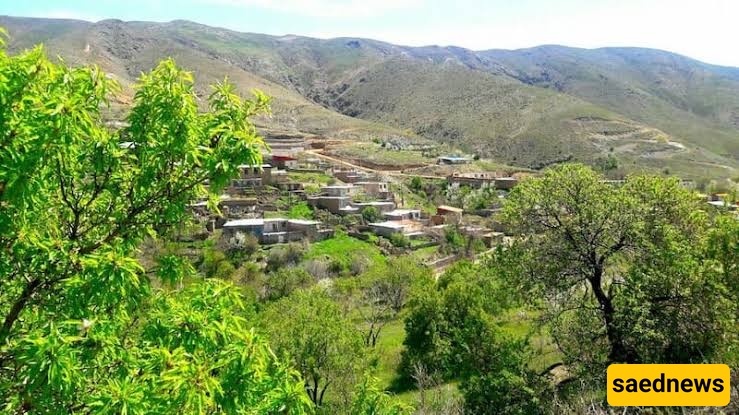
According to Saednews, As modern life continues to develop, many people look for ways to escape the fast pace of urban living. Rural destinations have become increasingly popular among travelers who want to spend a few peaceful days surrounded by simplicity, nature, and a slower way of life.
One of the most unusual rural destinations in Iran is Zargar Village, a settlement in Qazvin Province that has attracted attention for its distinctive language, traditions, history, and cultural identity. Sometimes described as a “European village in Iran,” Zargar offers visitors an interesting combination of Iranian rural life and traditions associated with the Romani-speaking community.
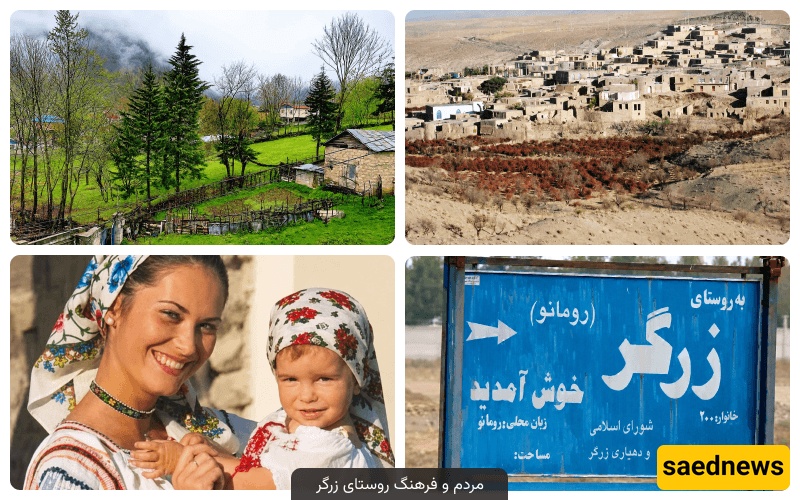
Zargar Village is located in the eastern Bashariyat district of Abyek County in Qazvin Province, northwest of Tehran. It is approximately 115 kilometers from Tehran and about 67 kilometers from Karaj. Qazvin lies roughly 51 kilometers northwest of the village, while Takestan is approximately 100 kilometers to the west.
The Alamut region lies to the north, while Alam-Kuh is situated to the northeast. Its location among rural landscapes and mountainous areas makes Zargar an appealing destination for travelers interested in nature and traditional village life.
One of the most distinctive features of Zargar is its population. Although the villagers are Iranian, some residents traditionally speak Romano, a language associated with the Romani people, while Latin script has historically been used for writing the language.
The exact origins of the community remain uncertain. Several theories have been proposed over the years. According to one account, ancestors of the community migrated to Iran centuries ago. Some are believed to have originally lived a nomadic lifestyle before eventually settling permanently in Zargar because of the area's climate and natural conditions.
However, there is no universally established explanation for where the Romano-speaking population originally came from or how they became dispersed across different parts of the world. Some local accounts connect their ancestry with Russia, Greece, or Romania, while other stories associate them with historical migrations into Iran.
Another local tradition suggests that members of the community were selected as soldiers of Shah Abbas I of the Safavid dynasty because of their courage and fighting abilities. Another version claims that their reputation as warriors led different rulers to disperse them across various regions.
There is also an intriguing story about an elderly man from Zargar who reportedly kept his financial records in Russian. According to local accounts, after his death, the use of Russian apparently disappeared from the village, while Romano gradually became more prominent among residents.
Another story says that prisoners captured during conflicts between Iran and the Roman Empire were eventually pardoned and allowed to settle in Iran. A different legend connects the community with Alexander the Great, claiming that some of his soldiers remained in the region after his campaign in Persia.
These stories form part of the village's oral history, although their historical accuracy has not been conclusively established.
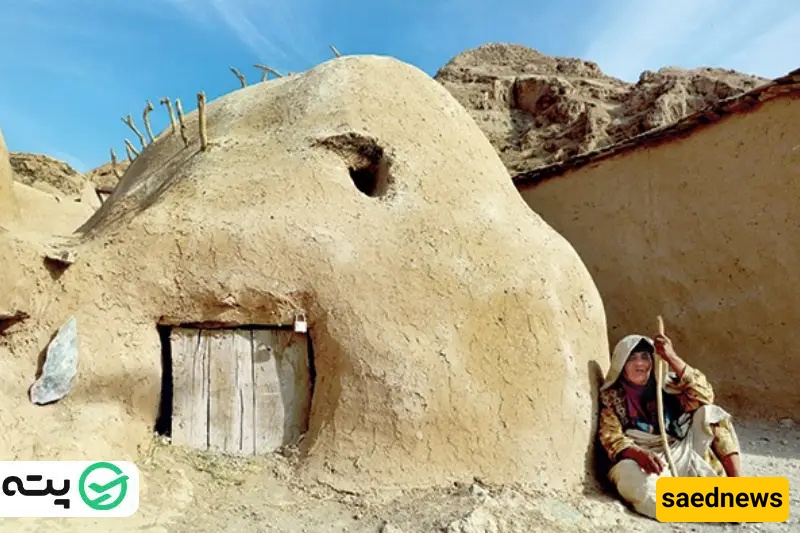
Several stories have also been told about the origin of the village's name.
One local explanation says that when identity documents were being registered for the villagers, women were making jewelry, leading to the settlement being associated with the Persian word “Zargar,” meaning goldsmith.
Another tradition, said to date back around three centuries, claims that Nader Shah brought three goldsmith brothers named Seifollah, Ahmad, and Zabd al-Molk from the Ottoman Empire to Iran. According to this account, the land that is now Zargar was given to Ahmad and was once used as pastureland.
The language spoken in Zargar has changed over time and has been influenced by other languages spoken in Iran, particularly Azerbaijani Turkish.
Persian was traditionally learned as a second language by earlier generations, but over time, local languages became more dominant within the community. Today, the preservation of Romano remains an important part of the cultural identity of Zargar.
Life in Zargar still retains many characteristics of traditional Iranian village life. Agriculture, animal husbandry, and beekeeping are among the principal occupations of the residents.
Women traditionally participate in many aspects of rural work and household production. Activities such as making butter, baking bread, preparing yogurt, cheese, and doogh have historically been part of the community's self-sufficient lifestyle.
Most residents are Shi'a Muslims, and religious traditions are closely connected with everyday life.
Zargar has distinctive cultural traditions, particularly in music and hospitality. Music plays an important role in local life, and traditional instruments are used during celebrations and social gatherings.
One such instrument is the choghur, which has traditionally been played when welcoming guests. Visitors may also be offered chilled doogh containing pieces of ice, locally known as “ayranesi.” Hospitality is highly valued, and guests are traditionally regarded as a blessing from God.
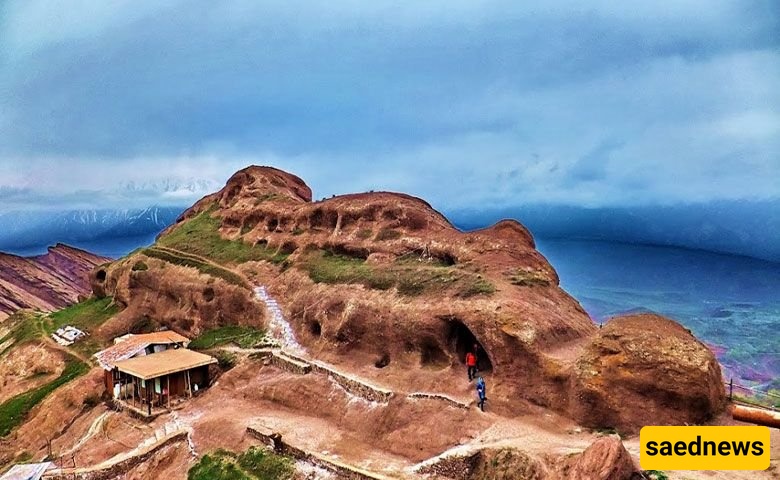
Although the lifestyle and clothing of younger residents are increasingly similar to those of people living in Iranian cities, many young people continue to value their ethnic identity, language, and traditions.
Marriage patterns have also changed over time. Some local accounts attribute a decline in marriage within the community to concerns about hereditary and congenital diseases. Even when residents marry people from outside the village, some continue to use Romano and preserve aspects of their cultural heritage.
Family loyalty is traditionally considered important in the community, and local customs place considerable emphasis on maintaining strong family relationships.
Women have traditionally held an important and respected position within Zargar households.
One unusual characteristic of the village is its traditional approach to shared residential spaces. In some parts of the settlement, courtyards have historically been shared, with few clearly defined walls or fences between homes.
According to local descriptions, building barriers between households could be interpreted as a sign of distrust or lack of respect for neighbors. This reflects the close-knit social structure that has traditionally characterized the village.
The community also has its own cultural symbols. Like other Romani communities around the world, local Romano speakers may identify with a distinctive flag, while the Iranian national flag is regarded as their national symbol.
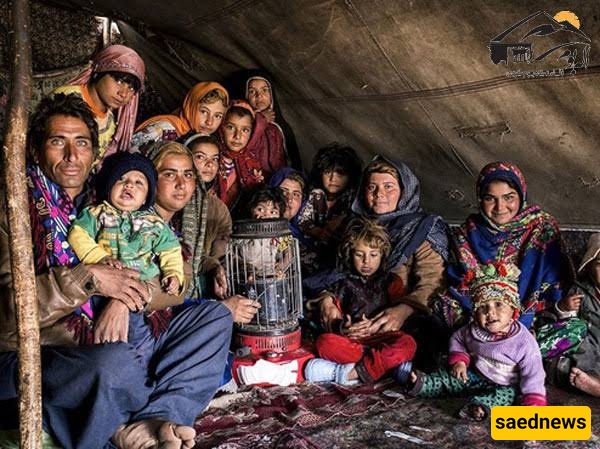
Zargar has several traditional dishes that reflect the agricultural and rural lifestyle of the area.
One popular local dish is dam-pokhtak, prepared with ingredients such as rice, potatoes, onions, and noodles.
Other traditional foods include:
Ash Reshteh, a well-known Iranian noodle soup
Ash-e Balghur, a bulgur-based soup also associated with the Turkish term yarma
Seasonal dishes prepared with locally available herbs, legumes, and noodles
These foods are particularly popular during spring and are closely connected with traditional village cooking.
Wedding celebrations in Zargar share similarities with ceremonies elsewhere in Iran, but the village has its own musical traditions.
A local performer known as “Amoo Ketab” or “Ashegh Ketab” is traditionally associated with playing the choghur and performing romantic stories. His Turkish-language songs and storytelling have historically been an important part of wedding celebrations.
Zargar gained wider attention through social media when several educated young residents began publishing words and expressions in Romano online. They invited people who recognized the language to visit Iran.
According to local reports, several travelers from France, Canada, and England subsequently visited the village and were surprised to encounter people speaking a language they recognized.
Romano-speaking communities are found in various countries, including Spain and other parts of Europe. The story of Zargar has therefore attracted interest from people searching for linguistic and cultural connections with other Romano-speaking communities around the world.
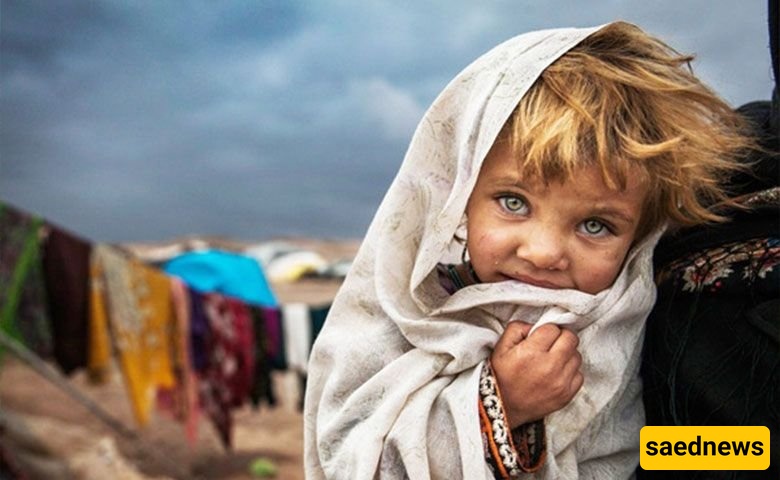
Zargar's natural scenery is one of its main attractions. Vast wheat fields, green foothills, mountain ranges, tall trees, misty landscapes, small cottages, and traditional rural fences create a picturesque setting, particularly during spring.
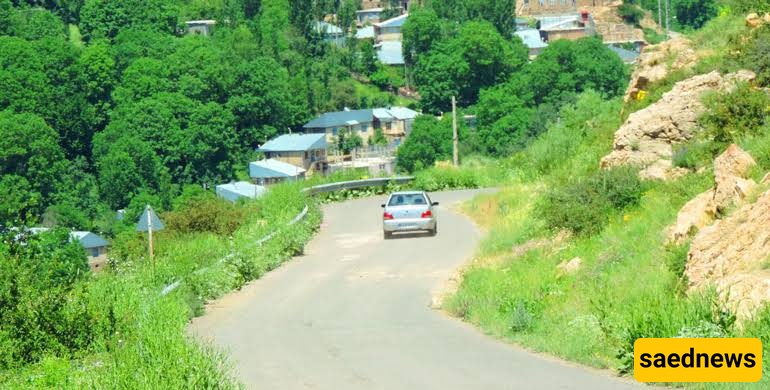
The surrounding countryside makes the village suitable for a peaceful day trip from Tehran or nearby cities. Visitors can explore the natural landscape, enjoy the clean mountain air, and experience the slower rhythm of rural life.
Trips to Zargar are generally planned as day visits. Travelers who wish to stay overnight are usually advised to use accommodation in Qazvin, including guesthouses, apartments, and private suites.
Overnight accommodation within Zargar itself is limited, so arranging lodging in a nearby city is generally more practical.
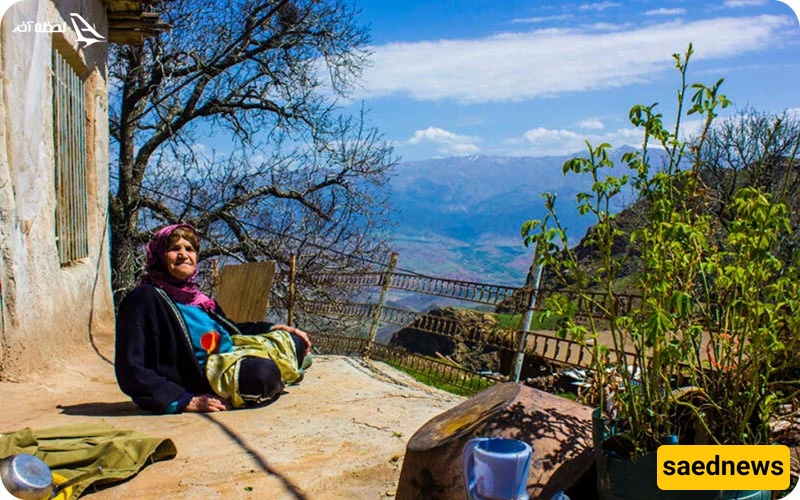
Zargar has a mountainous climate and can be visited throughout the year. However, spring is particularly attractive, when the surrounding countryside becomes green and flowering trees add color to the landscape.
The best time to visit ultimately depends on what travelers want to experience. Spring, however, traditionally attracts the largest number of visitors because of its pleasant weather and vibrant natural scenery.
Zargar Village stands out because of the combination of its rural Iranian lifestyle, distinctive language, oral traditions, music, community customs, and uncertain historical origins. Its unusual cultural character has made it one of the more intriguing villages to explore in Qazvin Province.