SAEDNEWS: Kreek Suspension Bridge / This article explores the history, description, location, geology, wildlife, visitor information, and interesting facts about this destination.
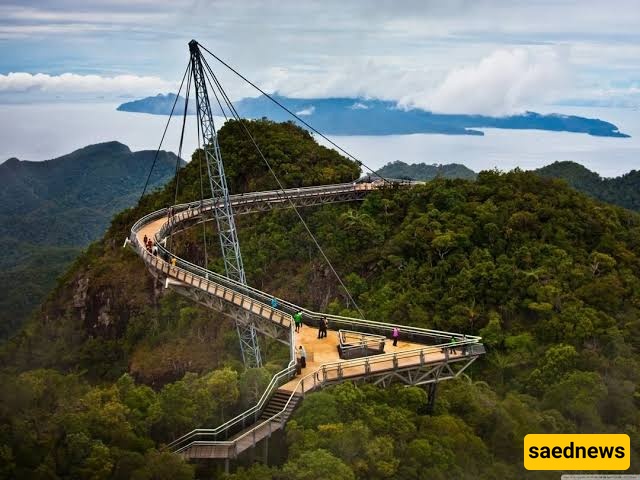
According to Saednews, Carrick-a-Rede Rope Bridge is one of the most famous tourist attractions along the northern coast of Northern Ireland. Suspended about 30 metres above the Atlantic Ocean, the bridge offers an exciting experience surrounded by dramatic coastal scenery. Originally built by salmon fishermen in the 18th century, it is now managed by the National Trust. Stunning views of Rathlin Island and, on clear days, the Scottish coast, combined with the area's rich history and natural beauty, make it a popular destination.
Carrick-a-Rede Rope Bridge is one of Northern Ireland's notable tourist landmarks, attracting hundreds of thousands of visitors each year. Hanging above the Atlantic Ocean, the bridge represents more than a simple engineering structure. It also reflects the traditional way of life of local fishermen and the long-standing relationship between people and the rugged coastal environment.
The history of Carrick-a-Rede Rope Bridge stretches back more than 350 years. The first bridge was built by local salmon fishermen in 1755 to provide access to the small island of Carrickarede for fishing. The island's name comes from the Irish phrase “Carraig a' Ráid,” meaning “rock in the path,” referring to its position along the route taken by migrating salmon.
Various bridges were constructed during the 19th and early 20th centuries. The early versions were considerably more precarious than the modern bridge. For example, a bridge used in the 1970s had only one handrail and a large gap between its wooden planks.
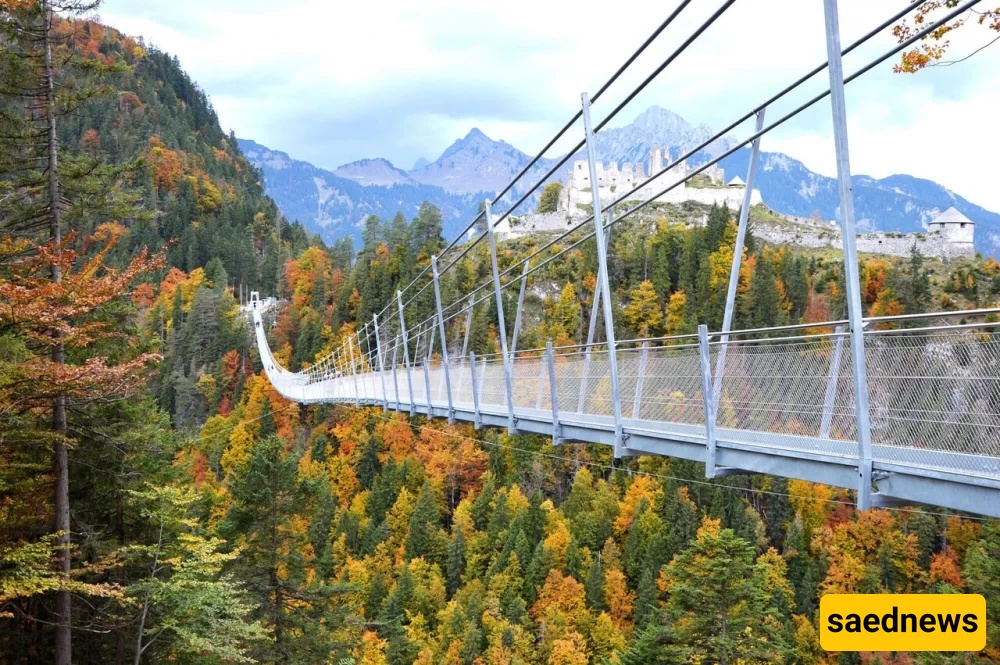
In 2000, a new bridge was constructed with assistance from local climbers and was designed to support up to 10 tonnes. Later versions were built in 2004 and 2008 by the Heyn construction company in Belfast, at a cost of more than £16,000. The bridges were constructed using steel cables and Douglas fir timber.
In 2017, the bridge was damaged by vandalism and closed for one day while repairs were carried out. Today, the bridge is no longer used for salmon fishing because the area's salmon population has declined dramatically. Numbers fell from around 300 fish per day in the 1960s to approximately 250 fish during the entire season in 2002. Historically, salmon travelled through the area to reach the Bann and Bush rivers for spawning, but environmental changes have disrupted this migration.
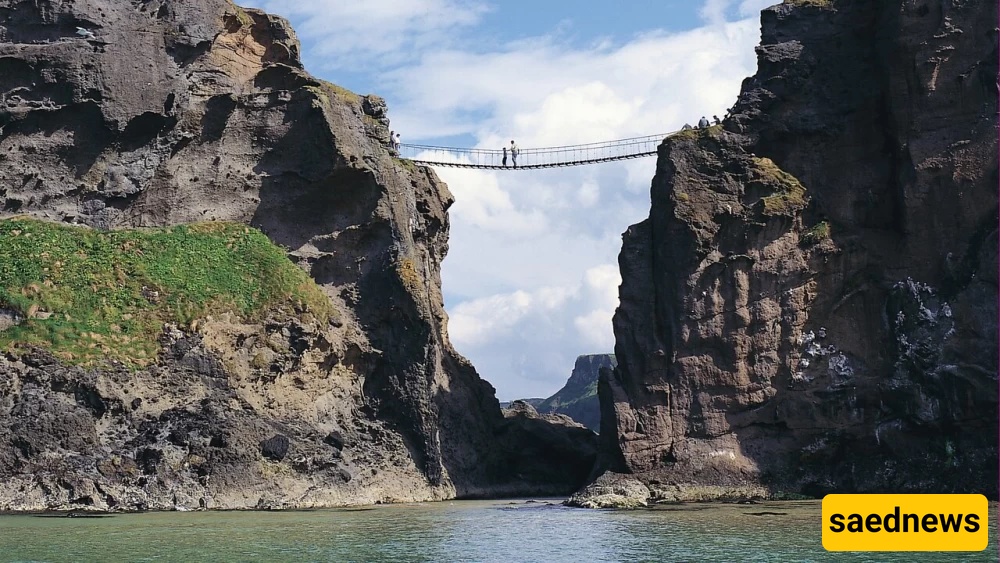
Carrick-a-Rede is a simple suspension bridge approximately 20 metres long and 1 metre wide, positioned about 30 metres above sea level. It connects the small island of Carrickarede with the mainland and can accommodate up to eight people at one time.
The surrounding landscape provides spectacular views of Rathlin Island and, in clear weather, parts of the Scottish coast. Large caves beneath the bridge once provided shelter for boat builders and fishermen during storms.
The bridge is located near the village of Ballintoy in County Antrim, Northern Ireland. Its approximate geographical coordinates are 55°14′24.13″ N, 6°19′51.76″ W. The site forms part of the North Antrim Coastal Route and is approximately seven miles from the Giant's Causeway.
Carrick-a-Rede is considered one of the best examples of a volcanic plug in Northern Ireland. The island was formed through marine erosion, which exposed the hardened neck of an ancient volcano.
The area contains tuff, explosive breccias, grey volcanic ash, and volcanic bombs, providing evidence of intense eruptions approximately 60 million years ago, when molten rock passed through the chalk. The cliffs are mainly basalt, with Ulster chalk beneath them.
A volcanic pipe formed dolerite, which is harder than basalt and therefore erodes more slowly. Behind the island, the volcanic crater contains pyroclastic rocks, particularly coarse tuff agglomerate. The contrast between the harder rock at the front and softer material at the rear, combined with long-term wave erosion, helped create the distinctive small island seen today.
These geological characteristics have contributed to the area's designation as an Area of Special Scientific Interest.
The Carrick-a-Rede area is recognised for its distinctive flora and fauna. Salmon historically migrated through these waters, although their numbers have fallen considerably.
Seabirds, coastal vegetation, and the area's rich marine ecosystem add to its natural appeal. The caves beneath the bridge also provide habitat for various marine animals and bird species.
Carrick-a-Rede Rope Bridge is managed by the National Trust and has been open throughout the year, weather permitting, since 2009. In 2018, the site received more than 485,000 visitors.
Children under five can cross free of charge. Parking is free when visitors have a bridge ticket, while parking without a bridge ticket incurs a charge. Online booking is required, and online ticket sales close one hour before the scheduled time.
The coastal area is accessible from sunrise to sunset. The parking area and bridge generally operate from around 10:00 a.m. to 4:00 p.m., with bridge crossings ending earlier at approximately 2:30 p.m.
Facilities include a café and tea room serving drinks and snacks, toilets, and dog access on a lead. Dogs are not permitted on the bridge itself.
The site can be reached by car via the B15, by bus from Coleraine or Belfast, or by bicycle using the NCN93 route. The walk to the bridge can be challenging for visitors with mobility difficulties or disabilities.
On particularly busy days, a boat may be available for visitors who are unable to make the return journey.
Carrick-a-Rede has also appeared in popular culture and literature. The bridge was mentioned in a poem by Letitia Elizabeth Landon in 1832 and in a poem by Seamus Heaney in 1978.
Salmon fishing in the area has been documented since 1620. Over time, the rope bridge has become associated with courage, adventure, and the traditional fishing heritage of Northern Ireland.
Carrick-a-Rede Rope Bridge is a suspension rope bridge connecting the small island of Carrickarede with the mainland in County Antrim, Northern Ireland. The original bridge was built in 1755 by local salmon fishermen to provide easier access to fishing grounds along the salmon migration route.
The bridge is approximately 20 metres long, about 1 metre wide, and around 30 metres above sea level. It can accommodate up to eight people at the same time. Modern versions use steel cables and Douglas fir timber.
The bridge is near Ballintoy in County Antrim, Northern Ireland, and forms part of the Causeway Coastal Route. It is approximately seven miles from the Giant's Causeway. Visitors can reach the area by car via the B15, by bus, or by bicycle.
In 2025, adult admission was approximately £13.50 to £15.50, depending on whether the visit fell during a peak or off-peak period. Children receive discounted admission, while National Trust members can enter free. Online booking is required, and parking is free with a bridge ticket.
The modern bridge is designed with safety features and can support a substantial load. It has handrails on both sides and closely spaced wooden planks. Although crossing can feel exciting, particularly for people who are uncomfortable with heights, strong winds or unsuitable weather can result in the bridge being closed.
Carrick-a-Rede Rope Bridge is more than a suspension bridge. It offers a connection to Northern Ireland's fishing heritage, dramatic coastal landscape, geological history, and wildlife. A visit combines scenic views with a memorable adventure and an opportunity to experience one of the region's distinctive landmarks. For travellers exploring Northern Ireland's northern coast, Carrick-a-Rede provides a unique glimpse into the area's natural and cultural heritage.