SAEDNEWS: A city that was once a powerful rival of Rome, Carthage is now a remarkable treasure of history and one of Tunisia’s most important archaeological and tourist destinations.
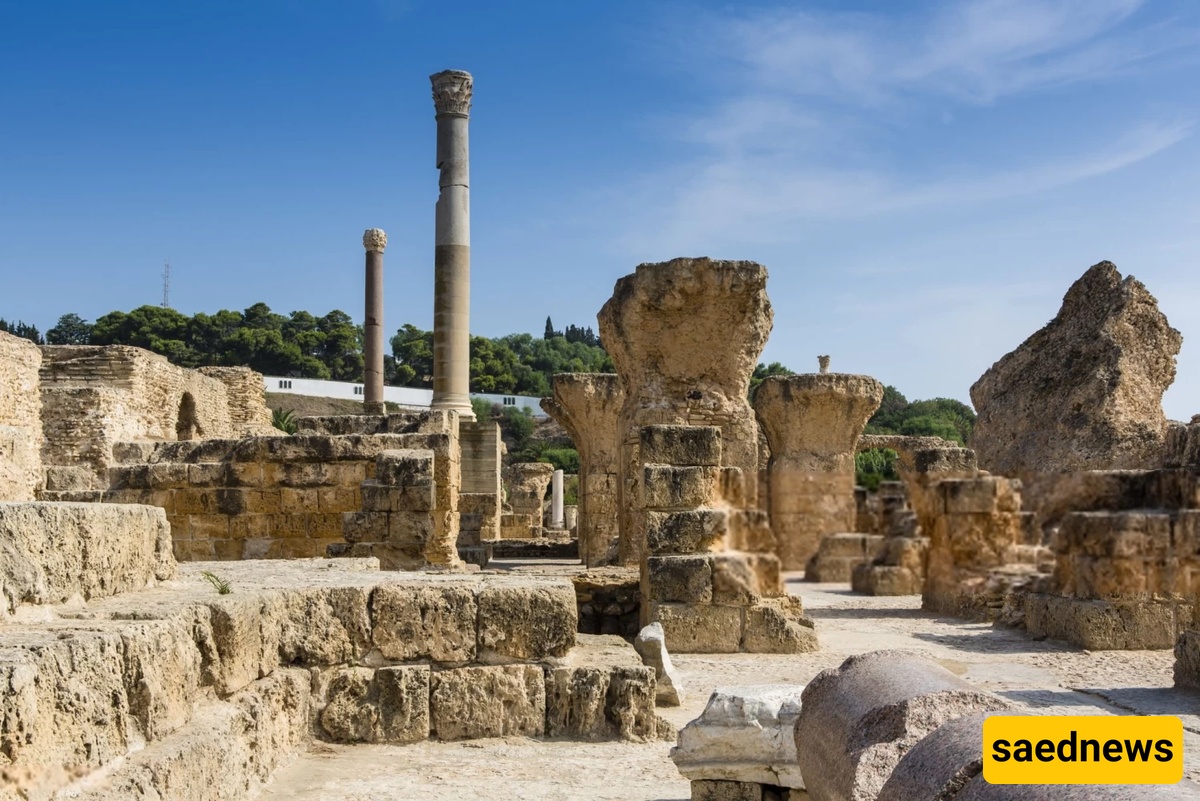
According to Saednews, Carthage, one of the most important and influential ancient cities in history, is located on the northern coast of Africa. This ancient city, which in earlier centuries was the main rival of Rome and Greece in trade and culture, is today known as an attractive tourist destination. In this article, we will examine the history of Carthage, its tourist attractions, and its impact on human culture and history.
Carthage was founded in the 9th century BCE by the Phoenicians and was known as an important commercial center in the Mediterranean. Due to its geographical location, the city became one of the most significant trading hubs of its time. Carthage quickly grew and became one of the largest cities of the ancient world.
The Punic Wars, which took place between Carthage and the Roman Republic in the 3rd and 2nd centuries BCE, marked a turning point in Carthage’s history. These wars arose from economic and political rivalry between the two powers and ultimately led to the fall of Carthage and its destruction in 146 BCE. Although Carthage ceased to exist as a city and state, its influence on the culture and history of Europe and North Africa is still felt today.
Today, Carthage is considered an archaeological and tourist site in Tunisia. Visitors can enjoy various historical and cultural attractions of this ancient city.
The ruins of Carthage include the remains of buildings, temples, and various monuments. One of the most important sites is the Temple of Tinnit, dedicated to the goddess of love and beauty, Astarte. Visiting these ruins offers an opportunity to better understand Phoenician culture and art.
The Bardo National Museum, located near Carthage, is one of the most important museums in Tunisia. It houses a collection of more than 3,000 artifacts from Carthage and other North African civilizations. Its beautiful mosaics and ancient statues take visitors back to the ancient world.
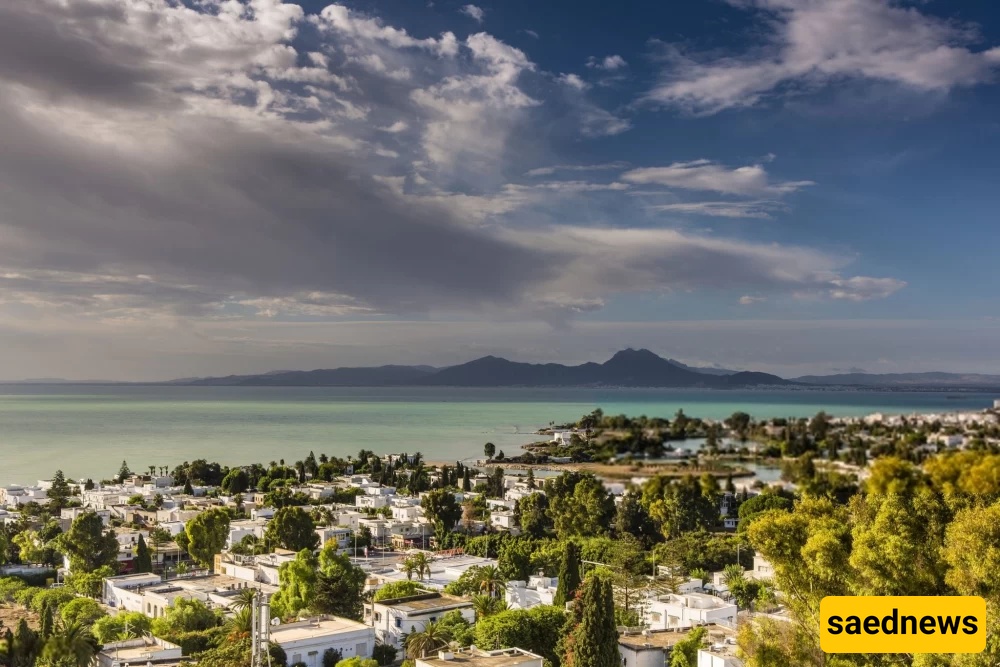
The Carthage fortress, or citadel, is another tourist attraction in the region. Built on a hill overlooking the sea, it offers a stunning view of Carthage and its surroundings. It is highly recommended for those interested in history and architecture.
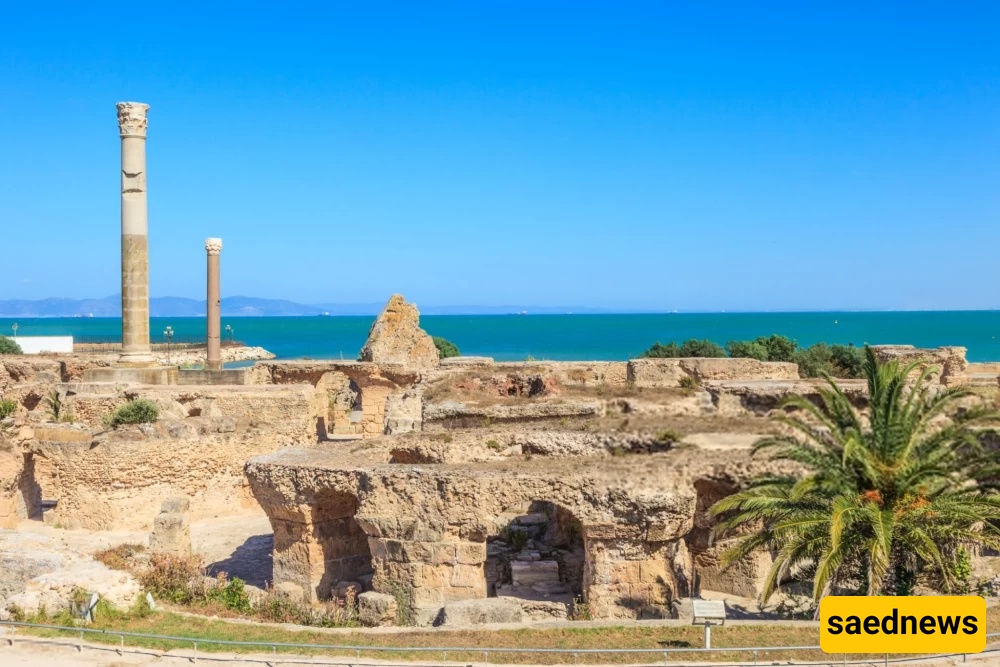
The beaches of Carthage, with turquoise waters and golden sand, are an excellent destination for water sports enthusiasts and seaside relaxation. Many tourists also seek local cuisine and cultural experiences along these shores.
Carthage was not only a commercial center but also a cultural hub. Its cultural influence on the Romans and other contemporary civilizations is clearly visible.
The Phoenician language used in Carthage had a significant impact on the development of other languages. Its alphabet contributed to the formation of modern writing systems. Carthaginian literary works, including poetry and prose, are still studied today.
Carthage was also a leader in science and technology. The Phoenicians were highly successful in shipbuilding, agriculture, and trade. Agricultural techniques and innovative farming methods developed in Carthage were transferred to other regions and contributed to their economic growth.
Carthaginian religion was influenced by various cultures and included the worship of multiple gods. Phoenician philosophy, which reflected on life and nature, also influenced other cultures.
1. Who founded Carthage and when?
Carthage was founded in the 9th century BCE by Phoenician settlers from the city of Tyre. According to legend, Queen Elissa (Dido) was its founder, who cleverly acquired land equal to the size of an oxhide to establish the city.
2. What were Carthage’s harbors and why were they important?
Carthage had two large artificial harbors: one for trade and one for the navy, with a capacity of 220 warships. These harbors played a key role in making Carthage a major maritime and commercial power in the western Mediterranean.
3. What were the Punic Wars and what was their outcome for Carthage?
The Punic Wars were three wars between Carthage and Rome. The second is famous for Hannibal’s campaign in Italy. In the third war (149–146 BCE), Rome besieged and destroyed Carthage and enslaved about 50,000 people.
4. What was the Tophet in Carthage and why is it controversial?
The Tophet was a sacred burial site where infants and animals were buried. Some studies suggest evidence of child sacrifice, making it one of the most controversial aspects of Punic religion.
5. What happened to Carthage after its destruction by Rome?
Julius Caesar later rebuilt Carthage, and it became the second-largest city of the Roman Empire. During Roman times, it featured structures such as the Antonine Baths, and later came under Vandal, Byzantine, and Islamic control.