SAEDNEWS: If you live in Tehran or nearby cities, Dasht-e Havij is one of the best destinations for a one-day trip during Eid al-Fitr.
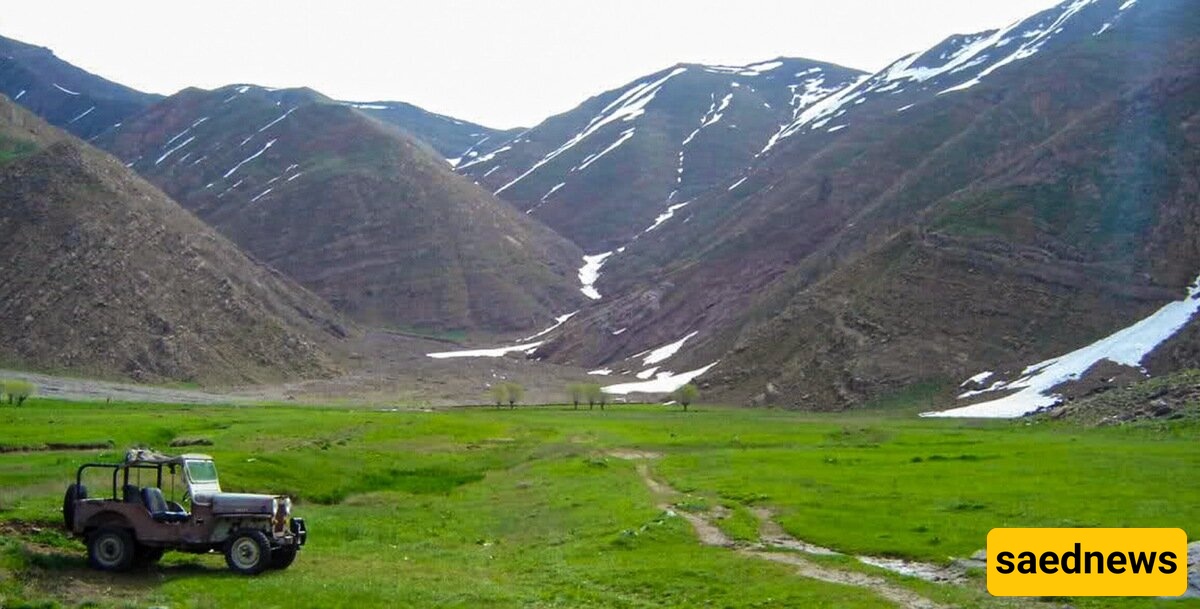
For city dwellers, a day away from pollution, noise, and traffic is a rare luxury. This is why the natural attractions surrounding Tehran are highly valued and always popular. One of the most beautiful spots is Havij Plain, also known as Garchal Plain, offering a serene and charming setting near the village of Afjeh—perfect for a day trip.
Havij Plain sits at an elevation of 2,400 meters above sea level, above the center of Afjeh village in the Golandok area of Lavasanat. From the heights of the plain, Mount Damavand is visible. For residents of Tehran and its surroundings, Havij Plain is an ideal destination for a one-day getaway. The journey begins by reaching Lashgarak, passing the steep turns of Qouchak, and continuing to Lavasan and Afjeh, where the beautiful plain awaits.
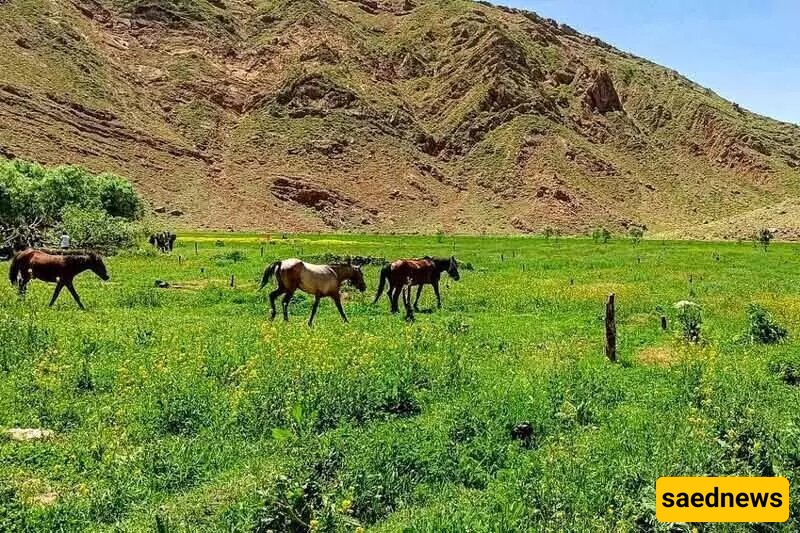
Havij Plain is located in Shemiranat County, Lavasan city, near Afjeh village, just a short distance from Tehran.
The plain is accessible via a safe and relatively easy route starting from Tehran and extending to Lavasanat. Residents of northern and eastern Tehran have a short drive ahead. Travelers can take one of the highways leading to Shahid Babaei Highway, enter Lashgarak Road, and continue toward Lavasan and Afjeh. Northern city travelers can take Artesh Highway, then Souhank Road, passing the Qouchak pass to reach Lashgarak Square.
Those coming from Karaj or northern Iran can pass through Meygoon, Fasham, Oushan, and Zardband to Lashgarak after confirming the Upper Dizin road is open. From there, follow signs to Afjeh, pass Basij Square, and turn left toward Afjeh. Once in the village, a fork leads to a dirt road; after parking, a short walk brings visitors to the plain. A vehicle path exists but requires a four-wheel-drive SUV.
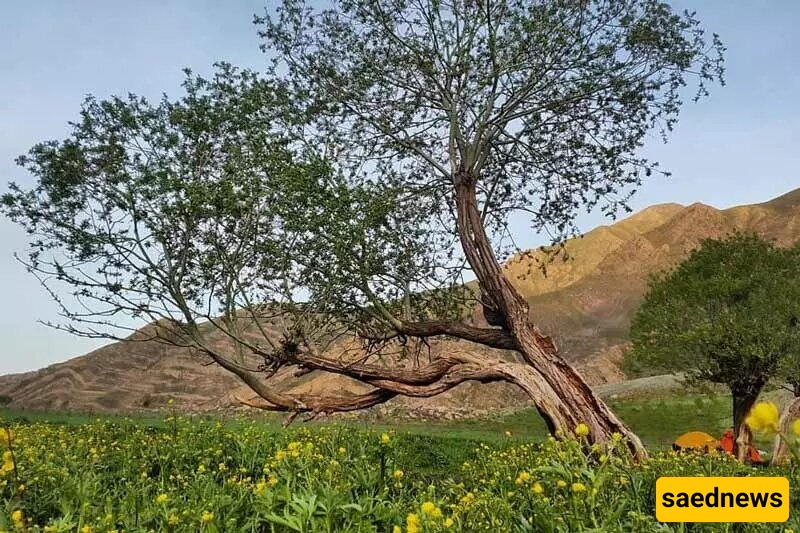
The unusual name comes from the area’s historical use. Historical accounts suggest that large parts of the plain were once used to cultivate carrots—hence the name "Havij," which means carrot in Persian. Garchal combines two words: Gor (fire) and Chal (place), meaning “fire place.” The name likely refers to the plain being warmer than the surrounding peaks.
During the Safavid era, the plain was a popular hunting ground, leading toward Lake Lar. Traces of Safavid caravanserais remain along the route, near cliff walls. The Afjeh Pass to Fasham connects Havij Plain to Lar Plain and other Central Alborz heights. Nasser al-Din Shah and other Qajar rulers reportedly used this mule track—partly paved in places—for travel to Lar Plain. This route is also known as the Shah Abbasi Road.
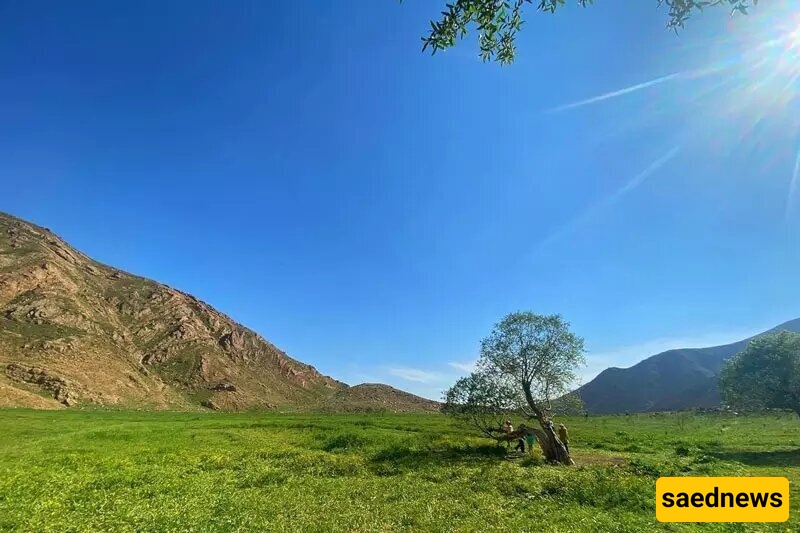
Havij Plain and its surroundings offer numerous attractions. Starting early allows visitors to enjoy the area without the midday heat. The walk passes through fruit orchards and irrigation channels.
Northern Afjeh Valley: This valley is popular year-round, especially among climbers heading to Atashkadeh, Saka, Yakhchal, and Mehrchal peaks.
Waterfalls: Near the start, Peschubak Waterfall overlooks the valley. A 1.5 km trail leads to a 15-meter waterfall surrounded by lush vegetation and maple trees. Another waterfall, Moab, descends from Saka Peak and is lively most of the year.
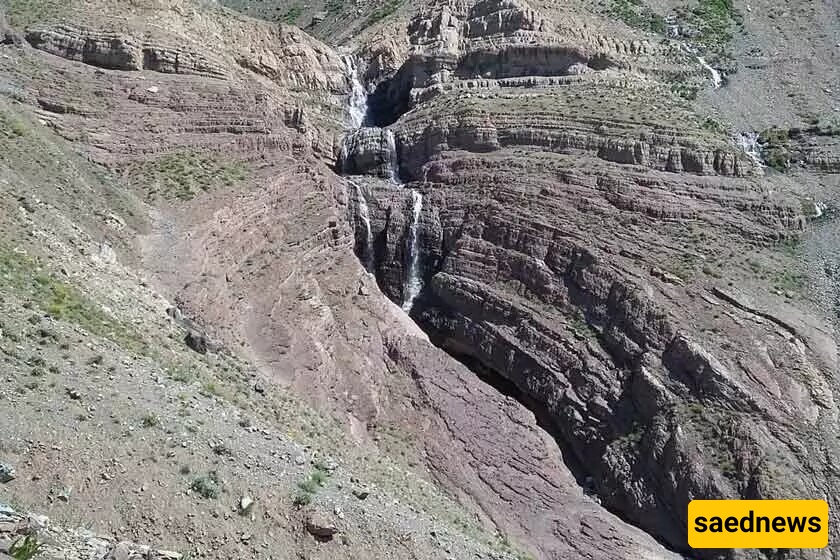
Sabustan Plain: Northwest of Havij, this plain leads to Atashgah Peak and features Cherand Waterfall (50 meters high) amid fruit trees like plums, cherries, and walnuts.
Safavid Bathhouse: An old bathhouse from the Safavid era remains active and used by villagers.
Saqakhaneh of Hazrat Abalfazl: In Afjeh, visit this beautifully designed shrine and the 500-year-old plane tree nearby.
Saka Castle: Located on Sarband Peak in Emameh village, this ancient castle dates back to the 2nd–3rd century AH, built with brick, clay, and plaster, decorated with green and blue glazed tiles.
Naseri Palace: North of Afjeh, overlooking orchards, this palace once belonged to Nasser al-Din Shah and is now in ruins.
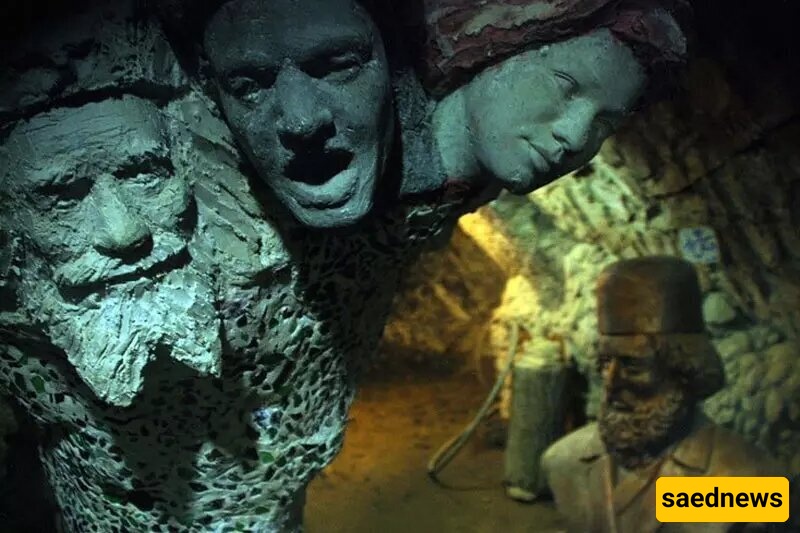
Dr. Vaziri Cave Museum: A unique museum carved by sculptor Naser Vaziri into Alborz granite. Visitors can enjoy sculptures made of wood, plaster, cement, stone, and metal depicting legendary Iranian figures and animals. Outdoor tea or coffee is available, and the treehouse in the courtyard offers panoramic mountain views.
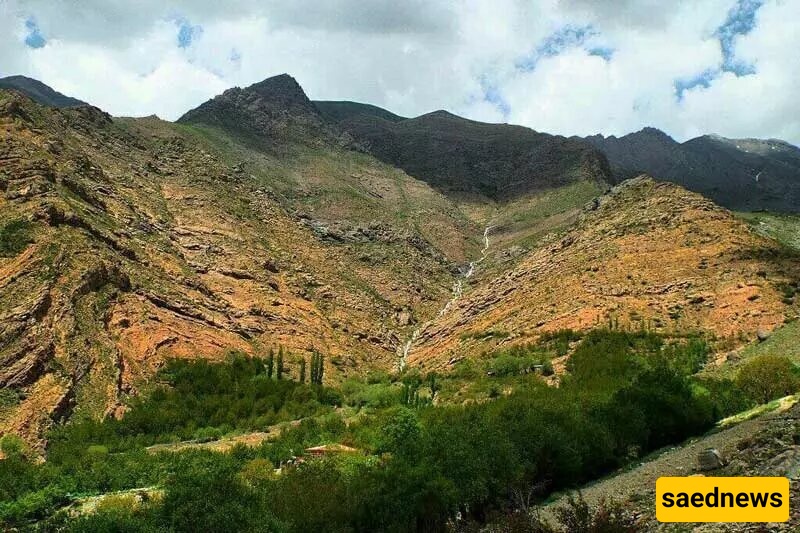
Havij Plain can get quite warm, so summer visits are less recommended. In autumn and winter, the landscape takes on a unique beauty and becomes popular for winter sports. Spring is the ideal time to visit, when nature revives and the plain is at its most vibrant.
Havij Plain is privately owned by villagers who maintain orchards and farm the land. Visitors should respect local property and avoid damaging trees. There are no major facilities in the plain itself, but Afjeh village offers restaurants, shops, and public restrooms.