SAEDNEWS: Tips for Watering Indoor Plants to Keep Them Healthy During Long Trips
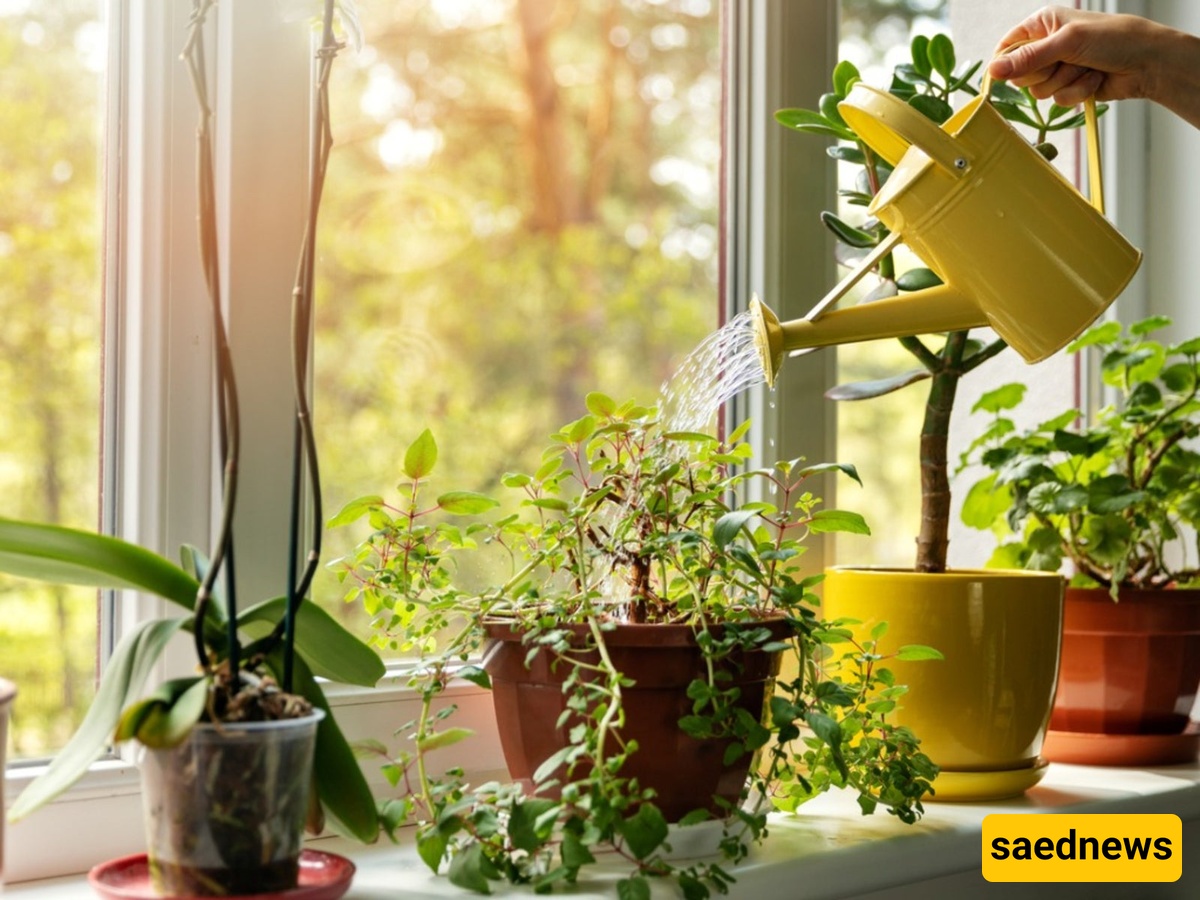
According to SAEDNEWS, If you are planning to travel and want your indoor plants to stay healthy and vibrant until you return, follow these practical watering tips. Watering your plants while away can be easier than you think. With these smart methods for indoor plant care, you won’t need to rely on a neighbor while you’re gone.
Indoor vs. Outdoor Plants
Indoor plants often have different needs compared to outdoor plants to stay thriving. Don’t worry—there are many techniques you can use for both indoor and outdoor plants.
Prepare Your Plants Before Traveling
To ensure your plants not only survive but continue to grow while you’re away, feed them well about a month before your trip. Trim the leaves and branches a week before departure to reduce water usage.
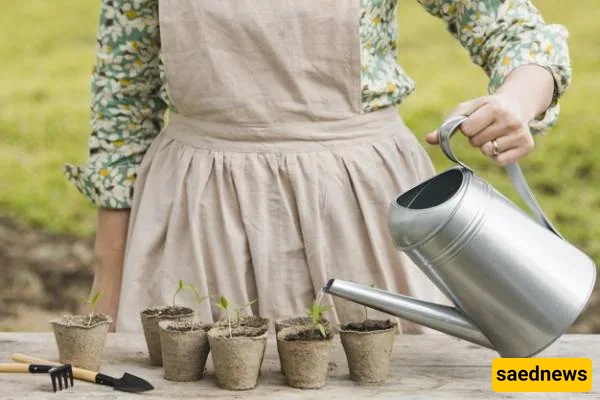
Watering Methods for Traveling
1. Wick Watering
Place a water-filled bottle next to your plant and insert one end of a string or wick into the water and the other into the soil. Water will slowly travel through the wick, keeping the soil moist. Bottle size depends on the length of your trip.
Tip: Test this method before traveling, as some materials may not transfer water efficiently. Use natural fibers and adjust the bottle’s position if needed. This works best for indoor plants with dense foliage.
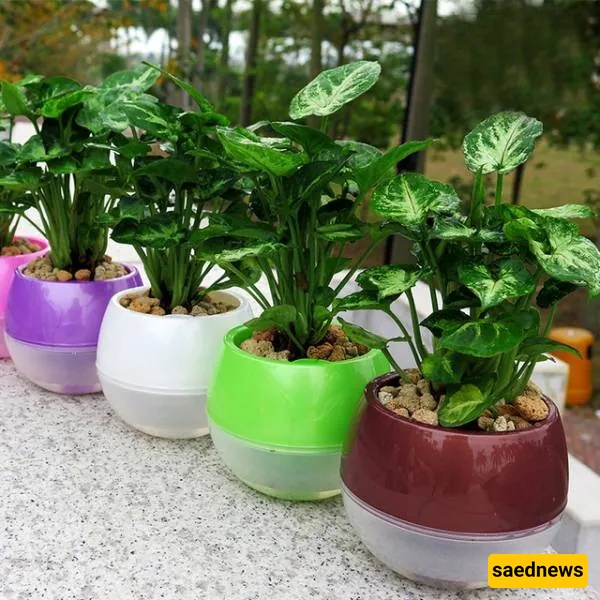
2. Self-Watering Pots
If you travel often, consider purchasing or creating self-watering pots. These are ideal for outdoor plants but can also be adjusted for indoor plants, especially those that rely on soil moisture.
3. Automatic Watering Systems
Automated watering systems can keep your plants hydrated without daily attention. Even small indoor gardens can benefit from these systems. They’re especially effective for low-maintenance gardeners and outdoor plants.
4. Terrarium Watering
Some plants thrive in high humidity and need a contained environment. Place the plant in a double-layered clean plastic bag, water it thoroughly, tie the bag loosely, and make small holes at the top for air circulation.
Tip: Keep terrariums out of direct sunlight and place them on a tray to catch excess water. Ideal for indoor plants that prefer tropical conditions.
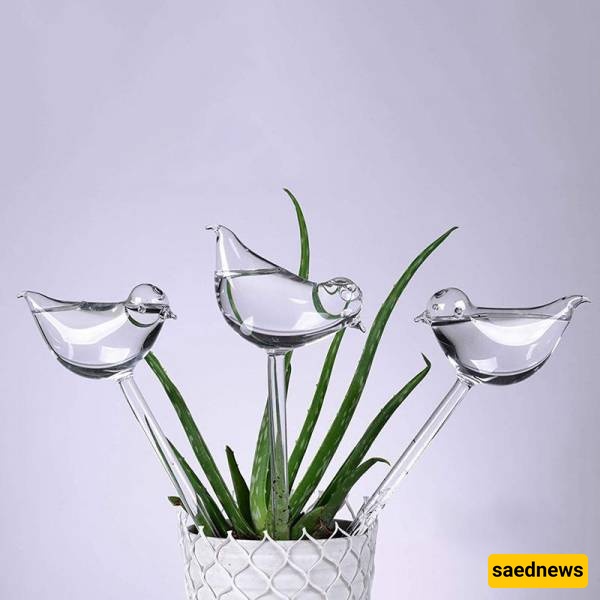
5. Water Globes or Spikes
Water globes are decorative and functional, suitable for one- to two-week trips. Ensure the tip is not blocked, and secure a mesh over the opening before inserting it into the soil. Best for small indoor and outdoor plants.
6. Moisture Crystals
Water-retaining crystals work best when combined with another watering method. Use them as a supplement if you plan to be away for a month or longer.
7. Drip Irrigation
Drip systems are similar to water globes but allow precise control of water flow. Suitable for both indoor and outdoor plants.
8. Tray or Bath Method
Place a plant pot with drainage holes in a shallow tray or bath with 2–3 cm of water. The soil absorbs water gradually.
Tip: Avoid stagnant water that can attract pests. Mix a teaspoon of 3% hydrogen peroxide and three drops of soap in a cup of water and stir before adding to the tray. Ideal for indoor potted plants.
9. Fabric Wick with Tray
Place a damp towel or strip of cloth under the pot, with the other end submerged in a water container placed slightly higher. The cloth will wick water into the soil gradually.
10. Fertilizer and Mulching
For outdoor plants, a few inches of fertilizer or mulch helps retain moisture. Indoor plants can benefit from moist compost layers or a damp cloth around the base covered with a plastic bag.
Tip: This method is temporary; leaving it for too long can cause decay.
11. Soaking Method for Outdoor Gardens
If outdoor plants don’t have a drip system, a hose with a timer or gentle perforated watering can work well.
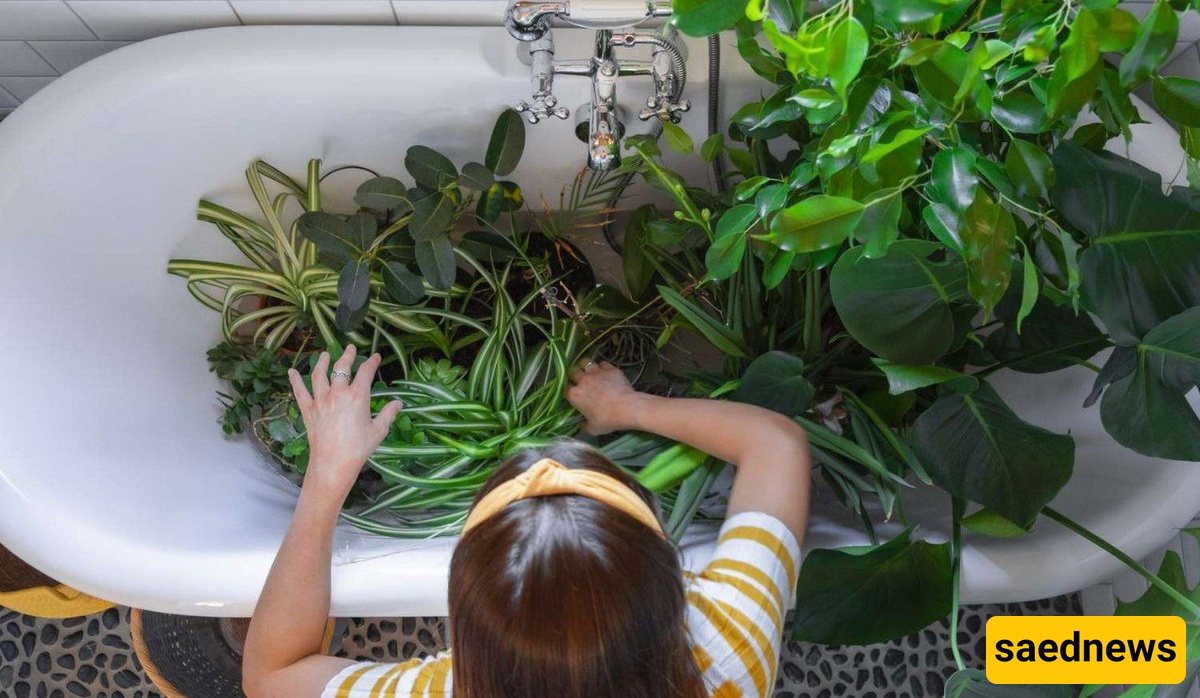
How to Water Potted Plants Properly
The goal is to saturate the potting mix and allow excess water to drain. You can water directly on top or place the pot in a shallow tray to let water absorb through the drainage holes (plant bath technique). Never leave pots submerged for more than 15 minutes unless necessary.