SAEDNEWS: Join Us with Some Flowering Cacti That Thrive in Apartments and Require Minimal Care
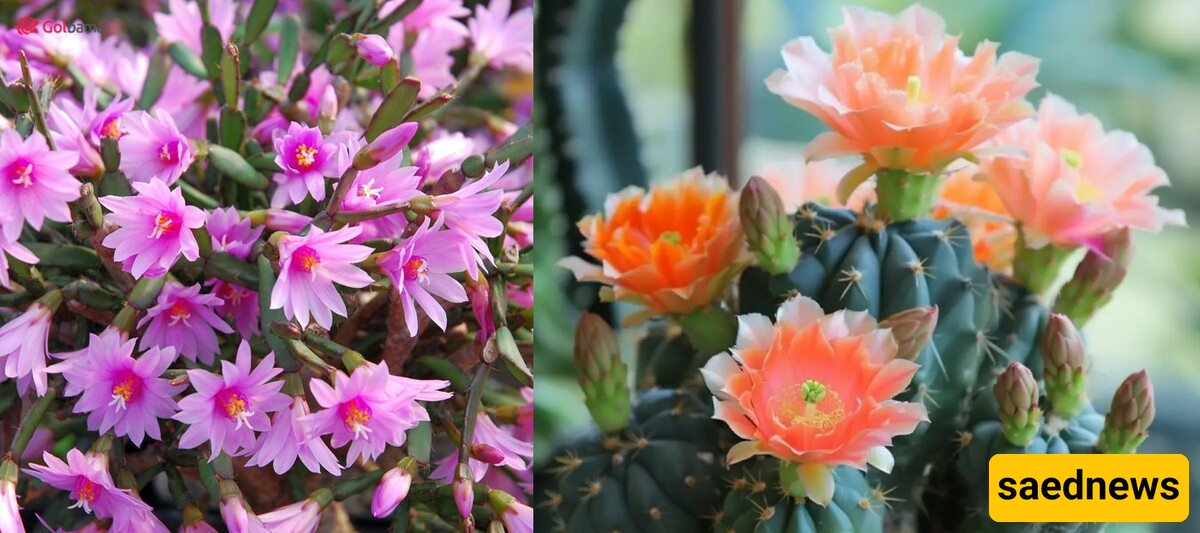
According to Family Magazine, cacti are not only resilient and low-maintenance plants but also symbols of beauty in simplicity. In today’s hectic and stressful world, having a few cacti at home can bring a calm and stylish touch to your interior. With their diverse shapes and colors, these plants can transform any space into a modern and unique environment. Cacti easily complement any type of décor. Here are 14 chic and modern cacti that are easy to care for:
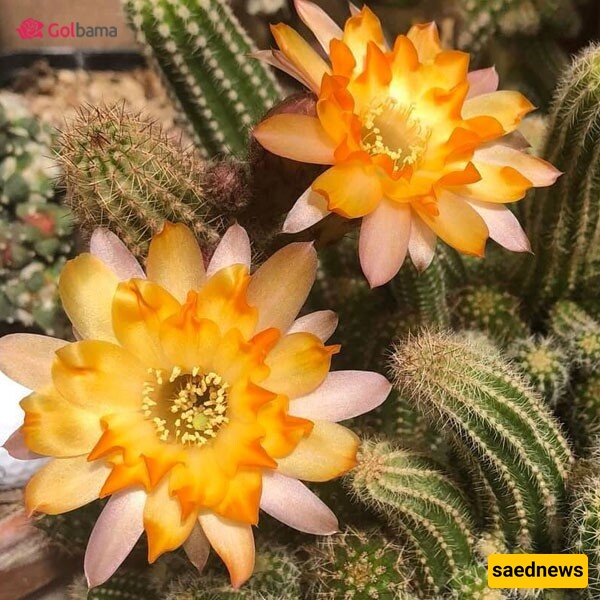
A fast-growing, flowering cactus that produces clusters of tall columnar stems and bright yellow flowers. It requires plenty of light throughout the year but should be protected from direct sun during the hottest hours. It tolerates moderate temperatures and can survive cold as long as the soil remains dry. Water only when the soil is dry—once a week in spring and summer, and reduce to once every two months in autumn and winter. Well-draining soil is essential, and fertilizing once a year is sufficient.
Light: Indirect light
Watering: When soil is completely dry
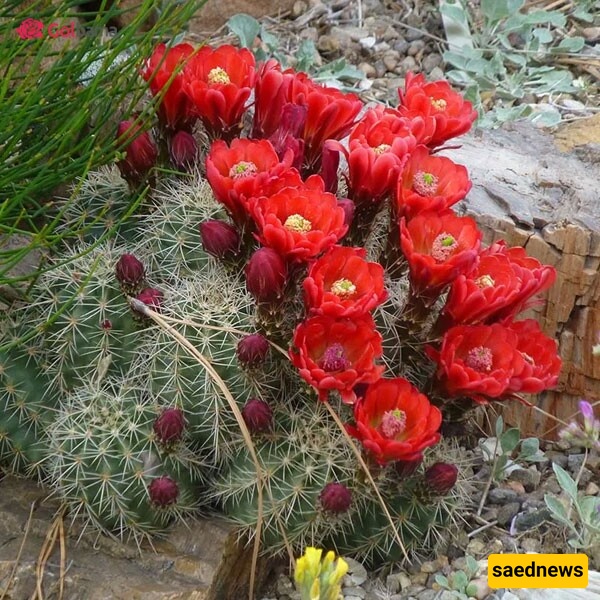
This flowering cactus is known for its bright orange blossoms and produces juicy fruits that taste like strawberries. Native to the deserts of the southwestern United States, it can grow up to 25 cm tall and 10 cm wide under ideal conditions. Its cylindrical stems bloom with numerous flowers that last several days. Flower colors may vary slightly depending on soil and genetics.
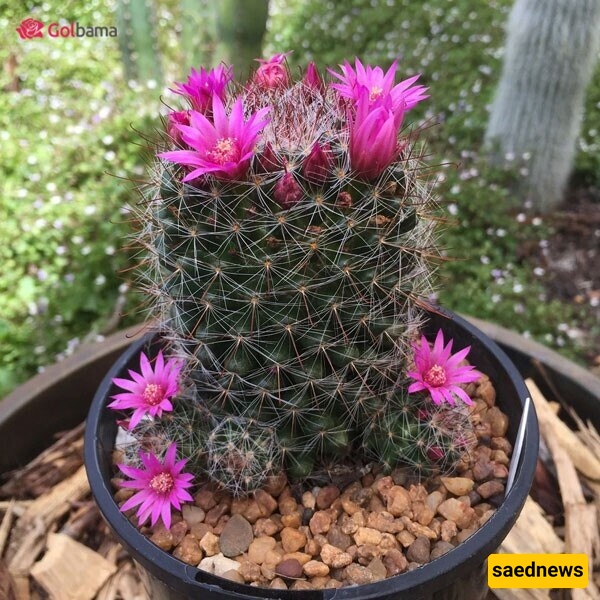
One of the largest cactus genera, native to Mexico but also found in Venezuela, Colombia, and Central America. Depending on the species, Mammillaria grows singly or in clusters, forming small spherical or elongated shapes. Its funnel-shaped flowers range from white to yellow, pink, or red, usually growing in rings around the stems. Red, elongated fruits are also common. Extremely drought-tolerant, this cactus stores water in its body for survival.
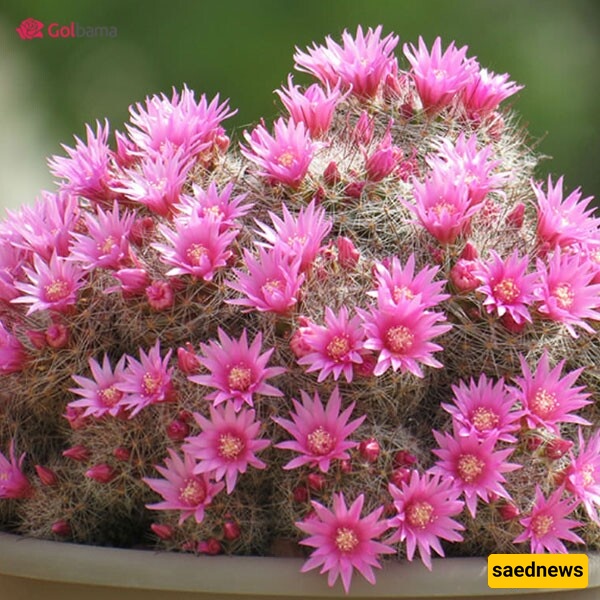
Named for its abundant, beautiful pink flowers, this cactus grows in spherical to cylindrical forms, reaching 12.5 cm in height and 7.5 cm in diameter. It has four central reddish spines and clusters of 15–18 hair-like spines. Flower rings are present most of the year. For optimal flowering, it should experience a dry winter period. Repotting is possible in warm seasons but ensure the soil is completely dry beforehand.
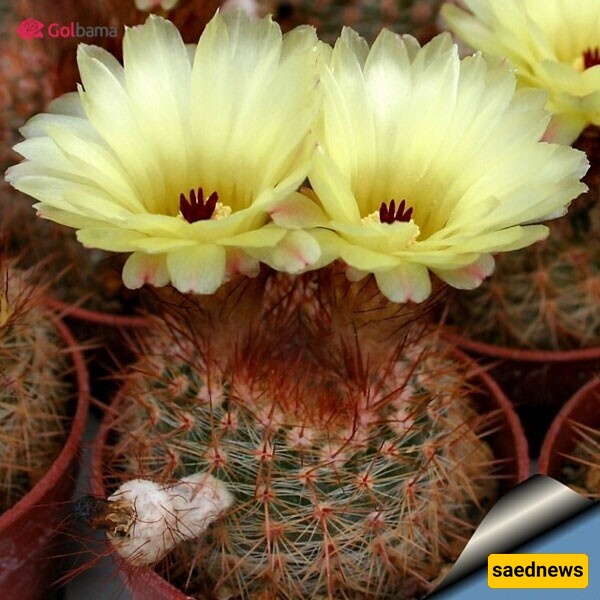
A round to cylindrical cactus growing up to 20 cm high and 12 cm wide, with dense, short, stiff spines and white radial spines. Produces lemon-yellow flowers. Easy to maintain; requires more water in summer but soil should remain dry in winter. Prefers bright light but should avoid direct sun during very hot hours.
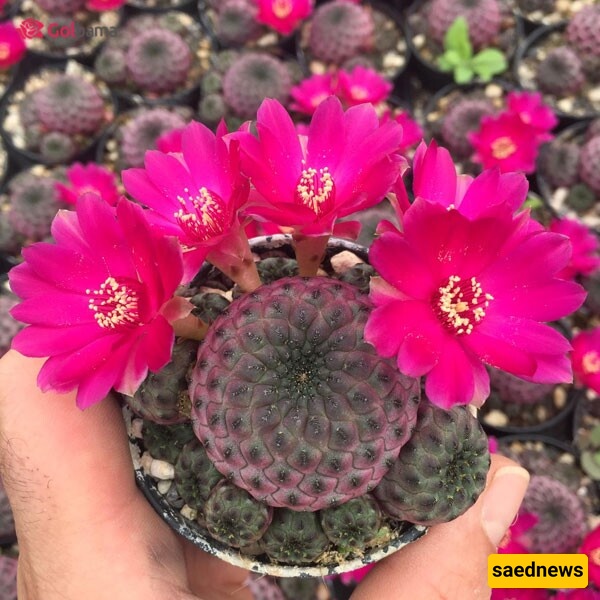
A compact, small, cold-hardy cactus with interlaced spines and vibrant pink flowers. Requires sunlight to thrive and minimal maintenance. Water moderately in warm weather and stop watering completely during cold winter months.
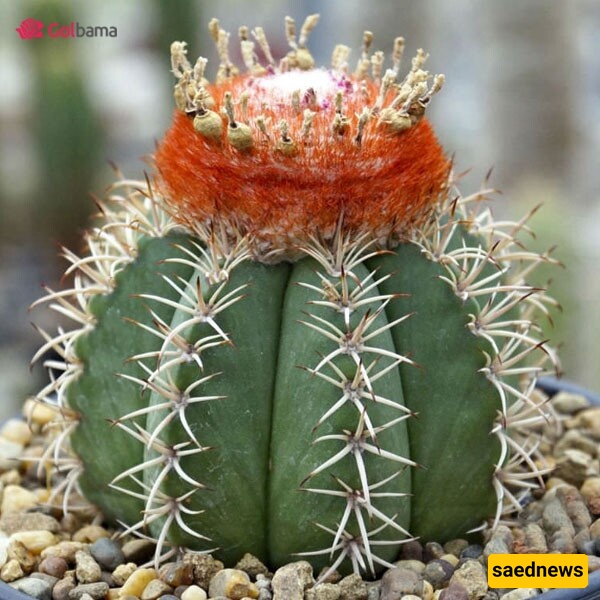
Native to Cuba and endangered in the wild, this slow-growing small cactus has copper-colored spines and crowned pink flowers. Sensitive to soil, drainage, water levels, and sunlight, it is not suitable for everyone. Soil should never be completely dry, even in winter.
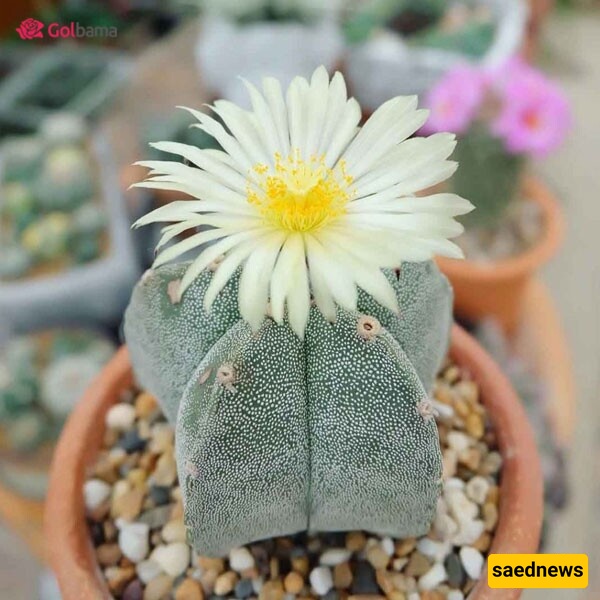
Spineless with star-shaped stems, native to central and northern Mexico. It produces yellow flowers with red or orange centers. Flowers last only a few days but bloom continuously for a long period. Prefers bright indirect light until mature, and requires well-draining soil with moderate watering in spring and summer, remaining dry in autumn and winter.
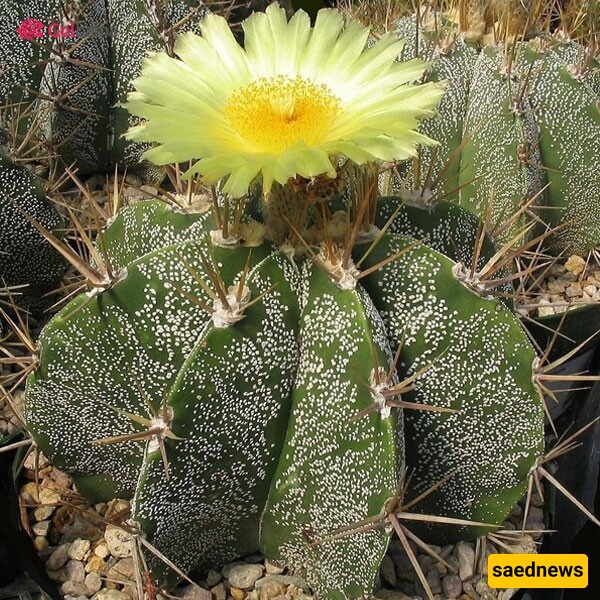
Native to Mexico’s central plateau and popular as a houseplant. It has an interesting geometric shape, resembling an 8-ribbed star from above. Blooms in late spring with 6-cm cream-yellow fragrant flowers. Easy to maintain with sufficient light and moderate watering. In winter, reduce water by half and keep at around 21°C for best growth.
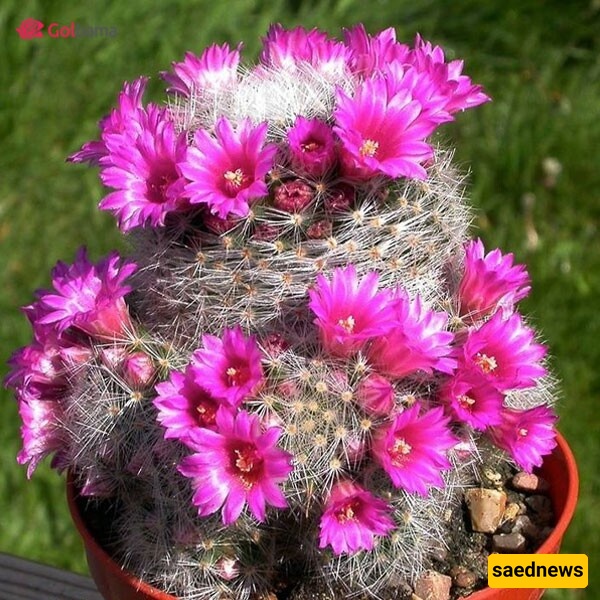
One of the most beautiful Mammillaria species, featuring striking pink flowers with mostly white spines. Covered in woolly white spines, it blooms in summer with pink flowers and yellow centers under suitable growth conditions.
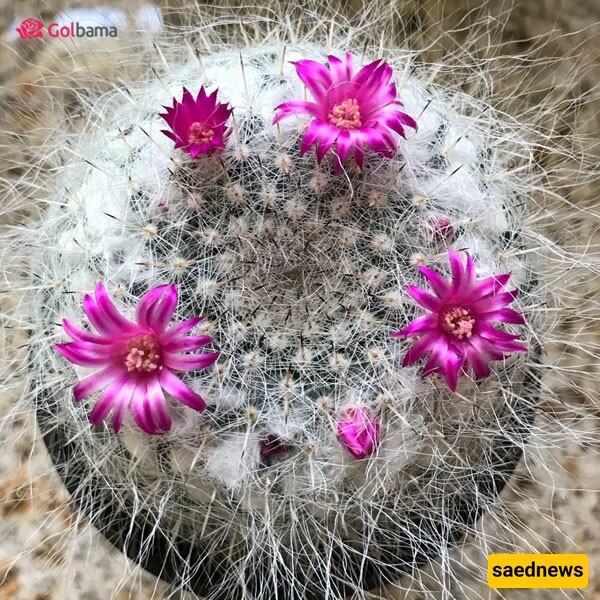
A charming, small spherical cactus growing up to 25 cm, covered with fine white hair and spines. If healthy, it may produce a halo of pink crown-like flowers.
Light: Bright, consistent light
Watering: Every 2 weeks to monthly
Flower colors: Pink
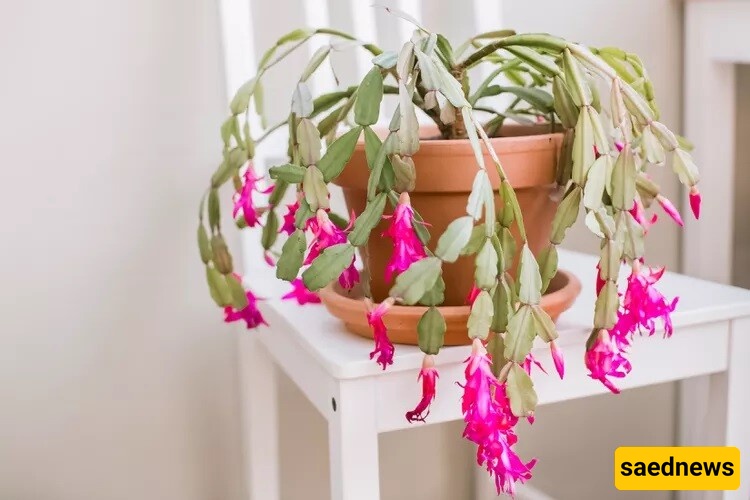
Unlike most cacti, it has flat, segmented leaves with soft spines. Produces flowers in red, pink, orange, and white, usually blooming in winter. Popular for interior decoration and gifts.
Light: Indirect light
Watering: Regular, allow soil to dry between watering
Flower colors: Pink