SAEDNEWS: On the twenty-seventh day of the holy month of Ramadan, special traditions are observed, including bringing iftar meals and gifts for newlywed brides.
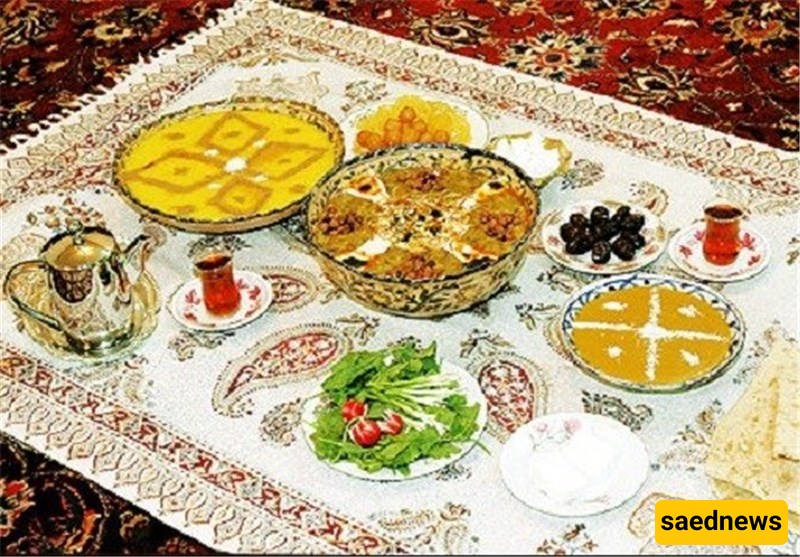
According to SAEDNEWS, Giving gifts to a newlywed bride is one of the sweetest and most beautiful traditions among Iranians. In Iran, not only do the groom’s family present gifts to the bride on occasions such as Nowruz, Eid al-Fitr, and Eid al-Adha as a sign of love and affection, but in some cities, giving gifts on the 27th of Ramadan—also known as Morad Keshun—is a customary practice performed with special rituals and etiquette. Below, we explore the traditions of the 27th of Ramadan.
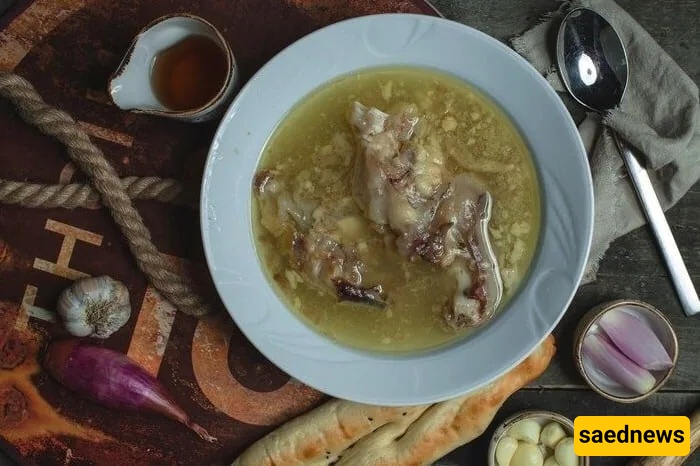
The 27th of Ramadan is the twenty-seventh day of the holy month in the Islamic lunar calendar. In some cities, Shia communities commemorate this night with the Morad Keshun celebration, as they believe it is the day when the assassin of Imam Ali, the first Shia Imam, was killed. The celebration typically includes fasting, charitable meals, Quran recitations, eating kaleh pacheh (sheep head and trotters) for iftar, and enjoying special nuts called Ajil Morad.
In some cities and provinces, especially in Isfahan, it is customary to prepare gifts for the bride on this day. The groom’s mother prepares five copper trays, covering them with colorful lace cloths. Five women or men carry the trays on their heads and, accompanied by close relatives, head to the new bride’s home. During the journey and upon arrival, the groom’s mother distributes sweets and barley bread among the guests.
The gifts traditionally include:
Clothes
Gold earrings
Sweets
Rice
Cooking oil
Special Ramadan foods (iftar items for the bride)
Soap
Henna
Towels
Meat
Fruit
Fresh herbs
Earrings
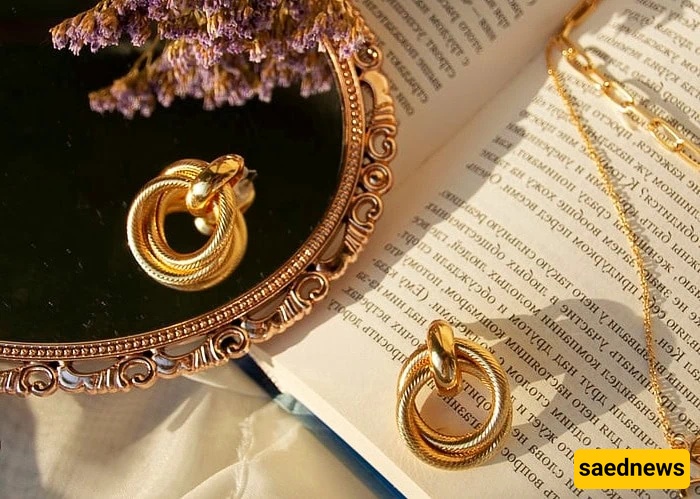
It is worth noting that only in the first year does the groom’s family present gifts to the bride; in the following Ramadan, the bride’s family reciprocates with gifts for the groom.
Eating Kaleh Pacheh
A key custom is consuming kaleh pacheh. Wealthier families slaughter a sheep on this night and invite relatives and friends for iftar, claiming it commemorates the act of “defeating Ibn Muljam,” the assassin.
Taking the Bride to the Mosque
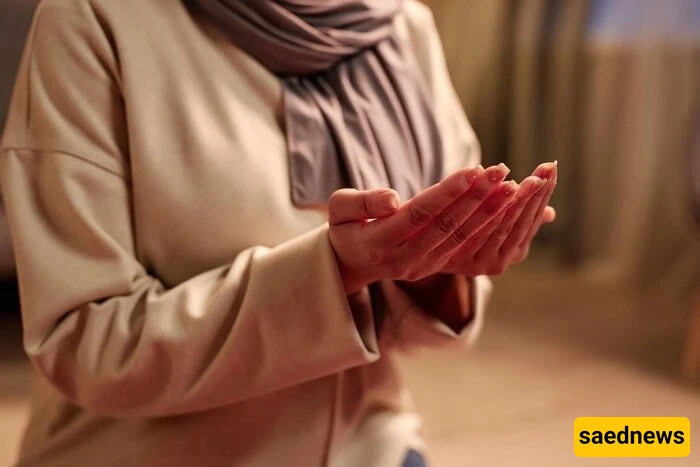
In some cities, the bride, along with sweets and gifts, is brought to the mosque on the night of the 27th. She is placed in the front row for prayers, and after Maghrib and Isha, sweets or dates are distributed among worshippers.
Making the Morad Ring
Another tradition is creating a “Morad Ring.” Money is collected from people named after the Imams (Muhammad, Ali, Fatimah), supplemented by additional contributions. A gold or silver ring is crafted and placed on the finger of a sick or needy person. For men, the ring is hung on the right ear.
Ajil Morad (Morad Nuts)
Special nuts called Ajil Morad—including dates, pistachios, hazelnuts, seeds, almonds, and sugar—are eaten before Suhoor. These are prepared with contributions from people named Muhammad, Ali, or Fatimah.
Reciting a Prayer
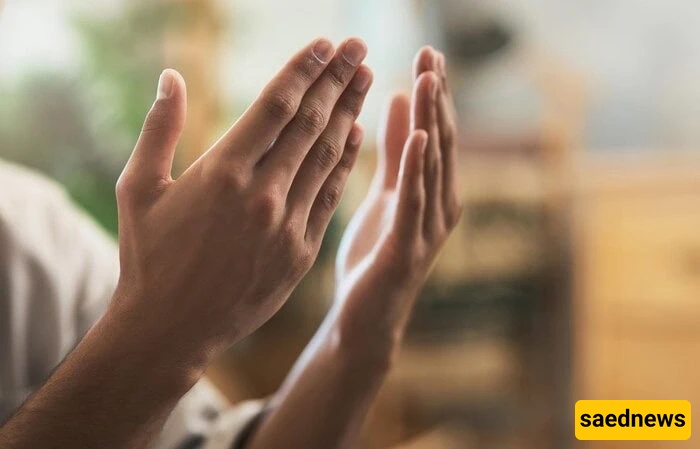
On this day, people gather in mosques and homes to repeatedly recite “Nada ‘Aliya Mazhar al-Aja’ib” and curse Ibn Muljam with “Allahumma ‘aln qatlahu Amir al-Mu’minin.”
Baking Morad Bread
Families with sick members or children in the military bake Morad Bread (or “Bread of the 27th”) using flour from seven Sayyids. The bread is shared among the community.
Fortune-Blessing with Walnuts
To bless the futures of unmarried girls, they carry walnuts, locks, and sweets up the steps of the central mosque, breaking a walnut on each step. At the top, they pray, circle the dome seven times, then hand the lock to the first young man they meet, who opens it and receives sweets.
Sewing the Morad Shirt
On the 27th, women sew a “Morad Shirt” between the two prayers of the day. It is believed that wearing this shirt fulfills wishes.

Making the Morad Pouch
A special pouch is sewn from a piece of cloth between the noon and afternoon prayers. A colored thread is passed through the pouch and tied to a coin given by someone with a wish. The pouch is kept until the wish is fulfilled; afterward, the coin is sewn under clothing to be kept unseen but always with the person.