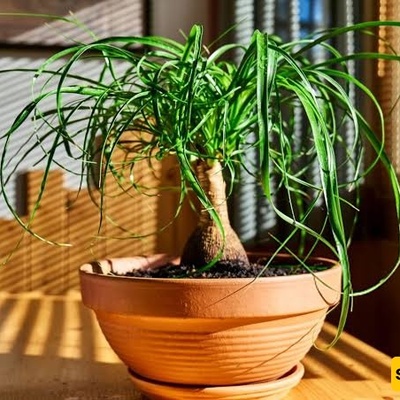
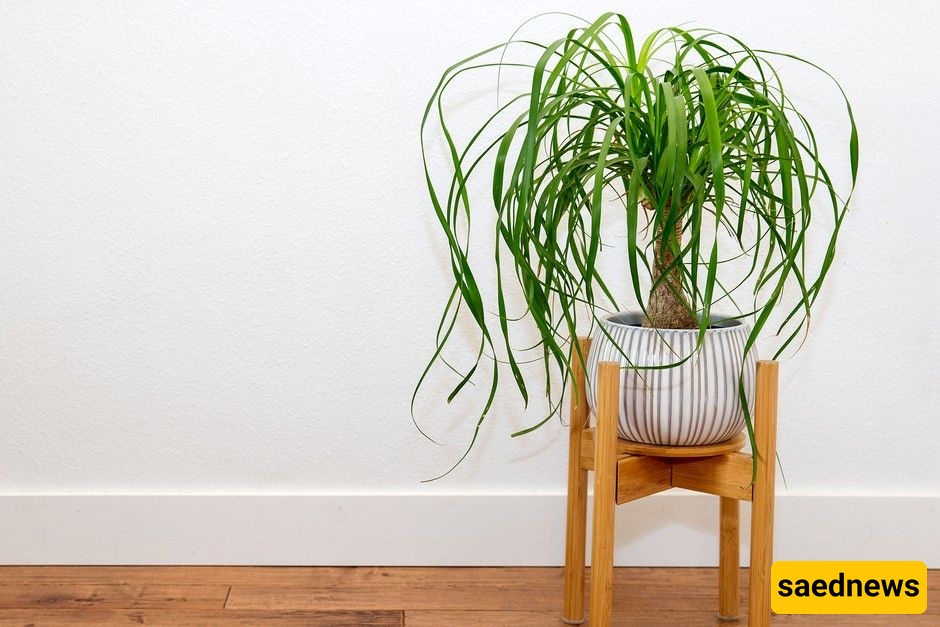
SAEDNEWS: The Ponytail Palm is a popular ornamental houseplant native to Mexico. Adapted to desert conditions, it is known for its cascading leaves and distinctive swollen trunk.
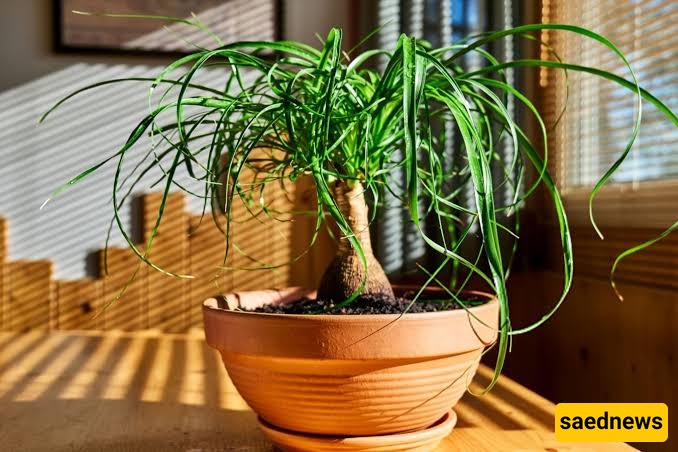
According to Saednews, The Ponytail Palm, also known as the Elephant’s Foot Plant, is one of the most popular ornamental houseplants. Native to Mexico, it is naturally adapted to dry, desert-like environments. Its popularity comes from its distinctive appearance, featuring long, slender leaves and a swollen, bulb-like trunk that resembles an elephant’s foot.
The Ponytail Palm is a relatively hardy and low-maintenance plant. Its main sensitivity is overwatering. Since it stores water in its swollen trunk, it does not require frequent watering. In fact, overwatering is one of the most common causes of problems with this plant.
The Ponytail Palm originates from desert regions and therefore prefers plenty of bright light. However, like most houseplants, it should be protected from excessive direct sunlight, particularly during intense summer conditions.
Ideally, place your Ponytail Palm near a bright window where it can receive approximately four hours of sunlight daily, except during the hottest summer months (July and August).
If your apartment does not receive much natural light, there is no need to worry. The Ponytail Palm can also grow in partial shade, although moving it to a brighter location from time to time will help maintain healthy growth.
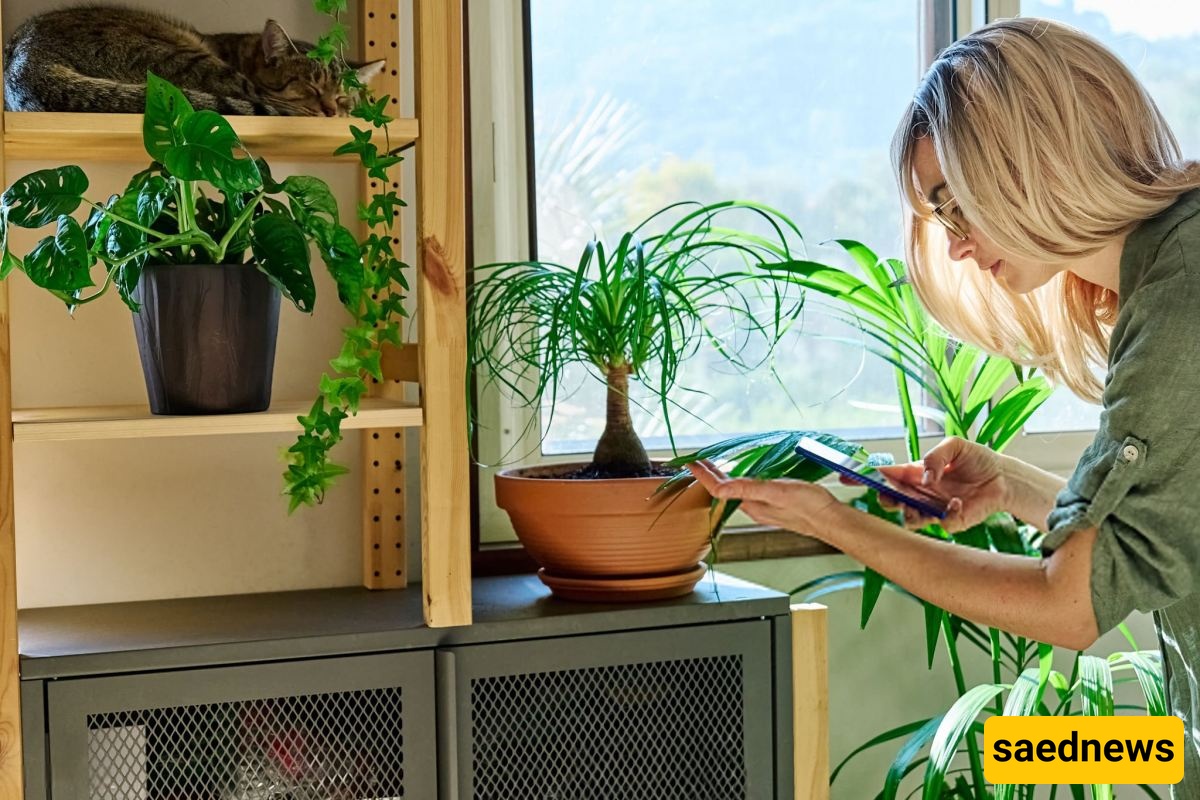
Light misting once a week throughout the year is generally sufficient.
Avoid misting the plant when temperatures fall below 10°C (50°F).
The ideal temperature range for a Ponytail Palm is between 18°C and 25°C (64°F–77°F).
During winter, temperatures of 10–13°C (50–55°F) are preferable, while approximately 21°C (70°F) is suitable during summer.
Overall, this adaptable plant can tolerate temperatures ranging from 5°C to 30°C (41°F–86°F).
Watering is the most important aspect of Ponytail Palm care.
Because of its natural desert habitat, the plant's swollen base can store enough water to sustain it for extended periods, potentially up to a year under certain conditions.
Excessive watering can cause root and trunk rot, eventually leading to the plant's death.
Keep the soil relatively dry and always allow it to dry out completely between waterings.
During the growing season: Water approximately once every three weeks.
During winter: Water sparingly, just enough to prevent the leaves from becoming excessively wilted.
Remember that underwatering is generally much safer than overwatering for this plant.
Feed your Ponytail Palm approximately twice during spring and summer using a balanced, complete fertilizer.
Iron fertilizer can also be beneficial. It may be applied once a month during the growing season, following the recommended dosage on the product label.
A mixture of clay-based soil, sand, and organic matter provides a suitable growing medium for the Ponytail Palm.
A lightweight, well-draining soil mix is essential because the plant is naturally adapted to dry desert conditions.
You can also incorporate a small amount of peat moss and humus to improve the soil's organic content.
The most important requirement is excellent drainage. A well-aerated, fast-draining soil mix will help prevent waterlogging and root rot.
The Ponytail Palm does not need frequent repotting. Ideally, repot it approximately once every two years.
In the meantime, you can simply replace the top few centimeters of soil with fresh potting mix.
Frequent repotting can damage the plant's delicate roots and may encourage excessive vertical growth of its swollen base rather than healthy overall development.