SAEDNEWS: Relying on strict, self-directed diets that involve a sudden reduction in calorie intake can significantly slow metabolic rate and lead to muscle loss. This article examines the metabolic consequences of extreme dieting and highlights the importance of medically supervised, evidence-based weight management.

According to Saednews, Relying on restrictive, self-prescribed diets and drastically cutting calorie intake can slow metabolic processes and lead to muscle loss. This article explores the potential metabolic consequences of extreme dieting and explains why medically supervised, evidence-based weight management is essential for achieving sustainable results.
Today, easy access to fitness and weight-loss information has encouraged many people to pursue quick fixes and restrictive diets to reach their desired weight. But does seeing the numbers on the scale drop rapidly always mean you are making progress toward better health?
In reality, unsupervised weight-loss decisions and severe calorie restrictions can often backfire, creating more complex challenges. This article examines how the body responds to unsafe dieting practices and highlights evidence-based approaches to preventing metabolic complications.
Losing weight and achieving a healthy physique are major concerns for many people today. However, the overwhelming amount of misinformation, repeated dieting, and unscientific advice have left many trapped in a frustrating cycle of losing weight and gaining it back.
Relying on unsafe weight-loss methods and severely restricting calories without a proper assessment of an individual's physiological condition and laboratory results often leads to disappointing outcomes.

Over millions of years of evolution, the human body has developed complex mechanisms to protect itself and ensure survival. When energy intake drops suddenly and significantly, the body may interpret the situation as a period of severe food scarcity. In response, adaptive mechanisms are activated, and basal metabolic rate (BMR) may decrease substantially.
This metabolic adaptation can slow the rate of fat loss and make continued weight management more difficult. It may also contribute to a range of physical and psychological challenges.
One of the most fundamental mistakes in self-prescribed diets is focusing solely on how much weight is lost rather than the quality of that weight loss. The number on the scale alone cannot determine whether a dietary plan is healthy or successful.
When calorie intake is restricted without careful medical assessment, the body may break down muscle protein, alongside using fat stores, to help meet its energy needs.
Muscle loss is particularly concerning because skeletal muscle contributes to the body's energy expenditure, even at rest. As muscle mass decreases, resting energy requirements may decline, making long-term weight management more challenging.
Consequently, the body may become more susceptible to weight regain after a restrictive diet ends. This phenomenon, commonly known as weight regain, can be especially frustrating for people who have struggled to maintain their results.
Severe energy restriction and rapid weight loss can affect the endocrine system and the hormones involved in appetite regulation.
Two important hormones in this process are leptin, which helps regulate satiety, and ghrelin, which stimulates hunger. During weight loss, leptin levels may decline while ghrelin levels increase, intensifying hunger and making appetite management more difficult.
In addition, the physical and psychological stress associated with restrictive dieting may influence cortisol, a hormone involved in the body's stress response. Changes in cortisol levels can affect appetite, fat distribution, and other metabolic processes.
Together with adaptive changes in energy expenditure, these hormonal responses may contribute to a weight-loss plateau, a stage at which progress slows or temporarily stops despite continued efforts to manage food intake.
Breaking the cycle of repeated dieting and achieving sustainable weight loss requires a more comprehensive approach to obesity management. Obesity is a complex chronic disease involving multiple physiological and metabolic factors, and effective treatment requires appropriate assessment and individualized care.
One of the first steps is to evaluate the body's composition rather than relying exclusively on body weight or body mass index (BMI).
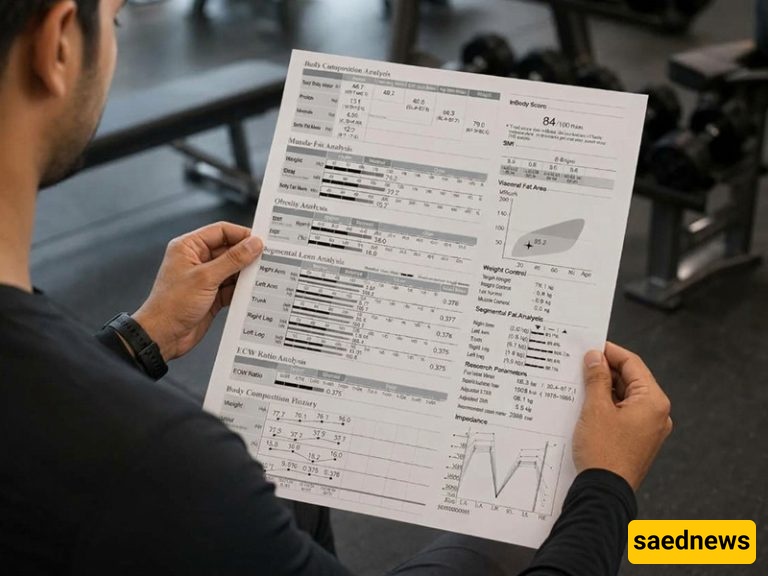
Assessing visceral fat, skeletal muscle mass, body water, and extracellular fluid can provide useful information about an individual's physical condition and help guide a weight-management plan.
A comprehensive assessment using specialized tools, such as body composition analysis, can help a treating physician develop a strategy tailored to the individual's physiological needs rather than relying on a generic diet plan.
These measurements can also help assess whether changes in body weight are primarily associated with fat loss or with reductions in water and lean tissue.
Sustainable weight loss is not a one-time intervention or a short-term process. It requires a long-term approach that may include medical guidance, regular monitoring, and individualized adjustments.
Each person responds differently to weight-management interventions depending on their medical history, laboratory findings, hormonal status, and level of physical activity.
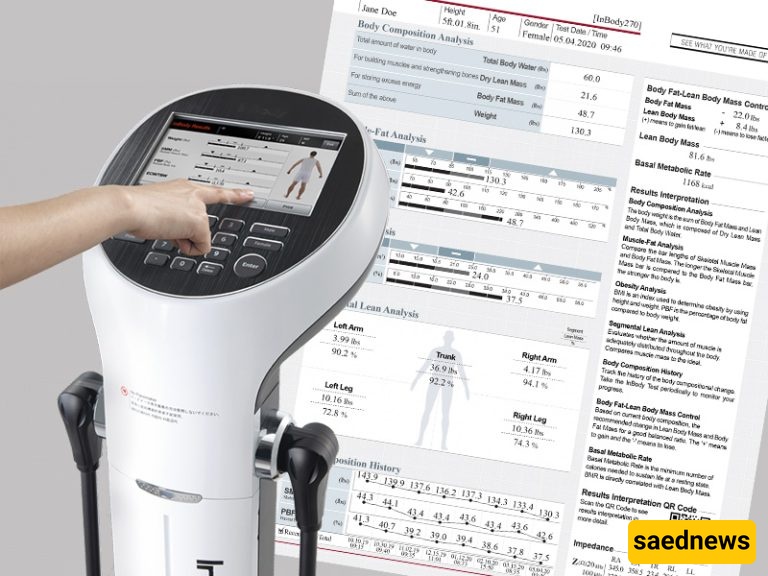
For this reason, treatment adjustments, specialized nutrition plans, and periodic health assessments should be carried out under appropriate medical supervision. Monitoring can help identify potential complications, including low blood pressure, fatty liver disease, hair loss, and changes in skin appearance.
Regular consultations at a weight-loss and metabolic clinic that emphasizes clinical monitoring and evidence-based assessment can help structure obesity treatment around the individual's needs.
Beyond supporting overall health, this approach can improve the likelihood of maintaining weight-loss results over time while helping preserve muscle mass and support healthy metabolic function.