SAEDNEWS: Parents who frequently compare their children with others may unintentionally undermine their children's self-esteem and emotional well-being. This article explores the characteristics, psychological roots, and potential consequences of this parenting pattern.
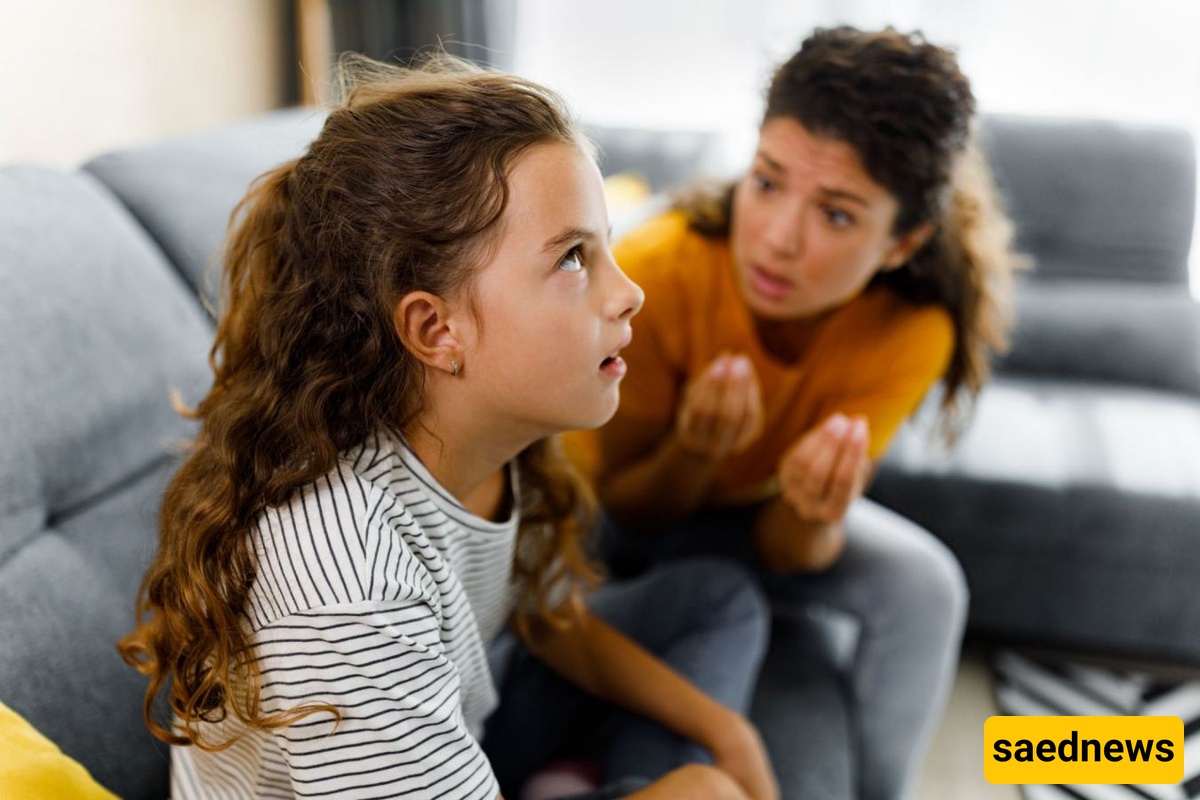
According to Saednews, Parenting is one of the most complex and delicate responsibilities in human life. Among the various parenting styles, one of the most common yet potentially harmful approaches is raising children through comparison.
Parents who frequently compare their children with others often do so with good intentions, hoping to motivate them to improve. However, they may not realize that repeated comparisons can undermine a child's self-confidence and emotional well-being.
This article explores the key characteristics of parents who compare their children, the psychological roots of this behavior, and its potential effects on children's personalities. Recognizing these patterns is the first step toward improving parenting practices and building healthier relationships between parents and children.
Comparative parents are those who repeatedly and systematically measure their children against other children, including siblings, classmates, relatives' children, or even fictional characters.
These comparisons may be direct and verbal or subtle and indirect. In either case, the child may receive the same underlying message: "You are not good enough."
Comparison is not an unusual or exceptional behavior. In many cultures, it is considered normal and sometimes even acceptable as a parenting technique. This normalization can make the behavior more difficult to recognize and change.

Parents who compare their children do not limit comparisons to a single area. They may compare academic grades, physical appearance, behavior, social skills, athletic abilities, and even emotional responses.
As a result, children may begin to feel that they are neither capable nor accepted in any area of their lives.
These parents tend to emphasize outcomes instead of recognizing the effort and progress their children make.
For example, if their child scores 18 out of 20 while a neighbor's child scores 20, they may dismiss the child's achievement entirely.
This results-oriented approach can weaken intrinsic motivation and make children increasingly dependent on external approval.
One of the most noticeable characteristics of comparative parents is rigid perfectionism.
They set unrealistic expectations for their children and may view any achievement that falls short of those standards as a failure.
In this environment, being "good" is never enough. Children are expected to be "better than everyone else."

Many parents believe that comparing their children with others will encourage better behavior.
For example, they might say, "Look how polite your cousin is. Why can't you behave like that?"
Although such comments may be intended to correct behavior, they can instead foster feelings of inadequacy, resentment, and unhealthy competition.
Comparative parents often overlook the biological, cognitive, and emotional differences between children.
They may struggle to accept that every child has unique talents, learning speeds, interests, and personality traits.
Ignoring these differences places additional psychological pressure on children and creates expectations that may not match their individual abilities.
In many cases, parents' tendency to compare their children may be connected to their own childhood experiences or unfulfilled ambitions.
Parents who experienced painful comparisons growing up may unconsciously repeat the same patterns. Others may view their children as a way to fulfill dreams they were unable to achieve themselves.
Without self-awareness, these unresolved experiences can influence how they treat their children.
Comparative parents may base their own sense of worth on their children's success.
When their child is not praised by others or appears to fall behind peers, they may experience embarrassment, shame, or a sense of personal failure.
This emotional dependence can make parental acceptance feel conditional on the child's performance.
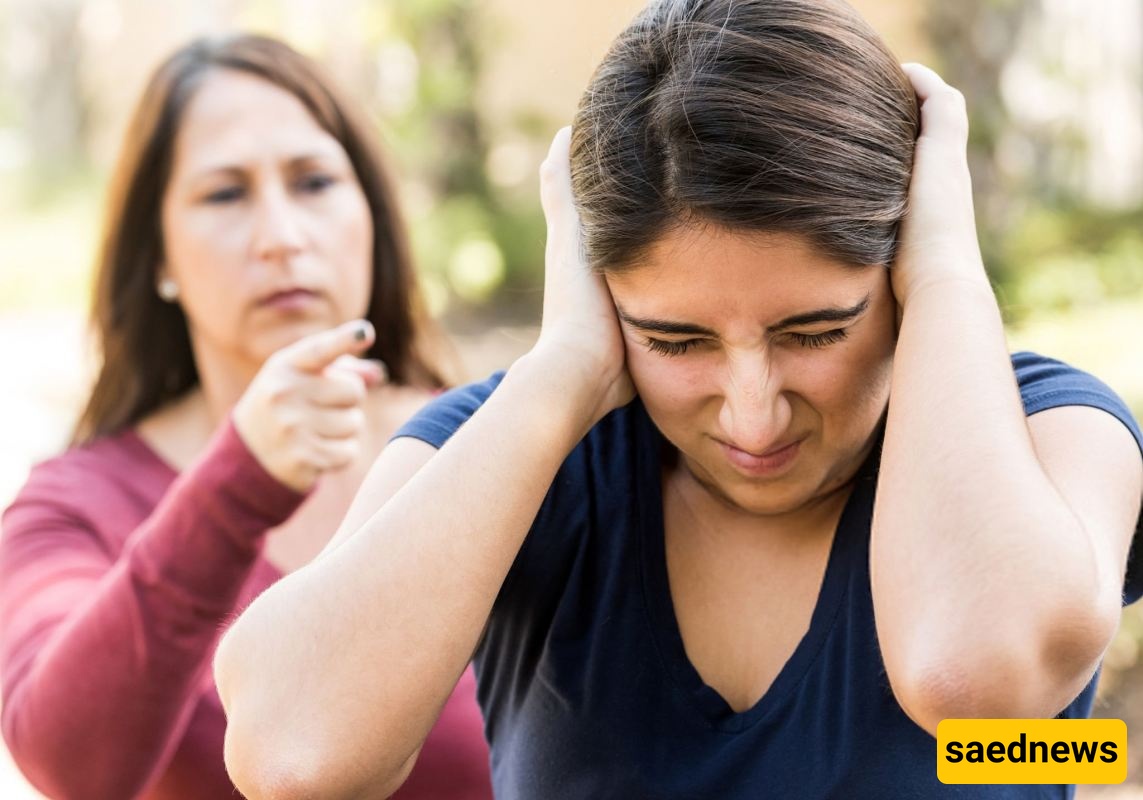
In this parenting style, affection and approval may become closely linked to achievements and superiority over others.
Children may learn that they are lovable only when they perform well or outperform their peers.
Over time, this conditioning can undermine emotional security and make children feel that they must earn their parents' love.
Parents who frequently compare their children may struggle to listen to their feelings and understand their emotional experiences.
Instead of responding with empathy, they may offer criticism, lectures, blame, or further comparisons.
When parents fail to acknowledge their children's emotions, emotional communication can gradually deteriorate, creating distance within the family.
Another important characteristic is making comparisons in front of other people.
At family gatherings, parties, or social events, these parents may point out their children's weaknesses under the guise of humor or concern.
Such behavior can intensify feelings of embarrassment, anger, humiliation, and shame, particularly when children feel exposed in front of people whose opinions matter to them.
Comparative parents may respond unpredictably to their children's behavior and achievements.
At times, they may belittle a child through direct comparisons. At other times, they may excessively praise another child, increasing the pressure on their own child to compete.
This inconsistency can make the family environment feel unpredictable and contribute to children's anxiety.
In families where comparisons are frequent, siblings may gradually become unwilling rivals rather than sources of support for one another.
Jealousy, resentment, and emotional distance can develop between children. These tensions may continue into adulthood, affecting sibling relationships for years.
Comparing children is not simply a parenting mistake; it may also stem from deeper psychological patterns.
Potential contributing factors include:
Social anxiety and concerns about how other people perceive the family.
A strong need for social approval and recognition.
Having experienced comparison-based parenting during childhood.
Unfulfilled personal ambitions and unresolved emotional difficulties.
Limited communication, emotional regulation, and empathy skills.
Some parents attempt to meet their own need for validation through their children. As a result, they may view a child's performance as a reflection of their own worth.
Understanding these underlying factors can help parents recognize why they compare their children and begin changing their behavior.
Children who are repeatedly compared with others may experience a range of emotional and behavioral difficulties, including:
Lower self-esteem: They may begin to believe that they are less capable or valuable than others.
Anxiety and depression: Persistent criticism and pressure can contribute to emotional distress.
Excessive self-criticism: Children may become overly focused on their mistakes and shortcomings.
Fear of failure: They may avoid challenges because they are afraid of disappointing their parents.
Difficulty enjoying achievements: Even success may feel meaningless if someone else performs better.
Dependence on external validation: They may rely on praise and recognition to feel worthy.
Destructive or rebellious behavior: Some children may respond to constant pressure with anger, withdrawal, or oppositional behavior.
Difficulty maintaining healthy relationships: Competition and jealousy may interfere with friendships and sibling relationships.
Instead of pursuing personal growth for its own sake, children may become focused on proving their worth to others. Over time, this can leave them feeling emotionally exhausted and disconnected from their own needs and interests.
Not every child responds to comparison in the same way, but repeated negative comparisons can increase the risk of these difficulties.
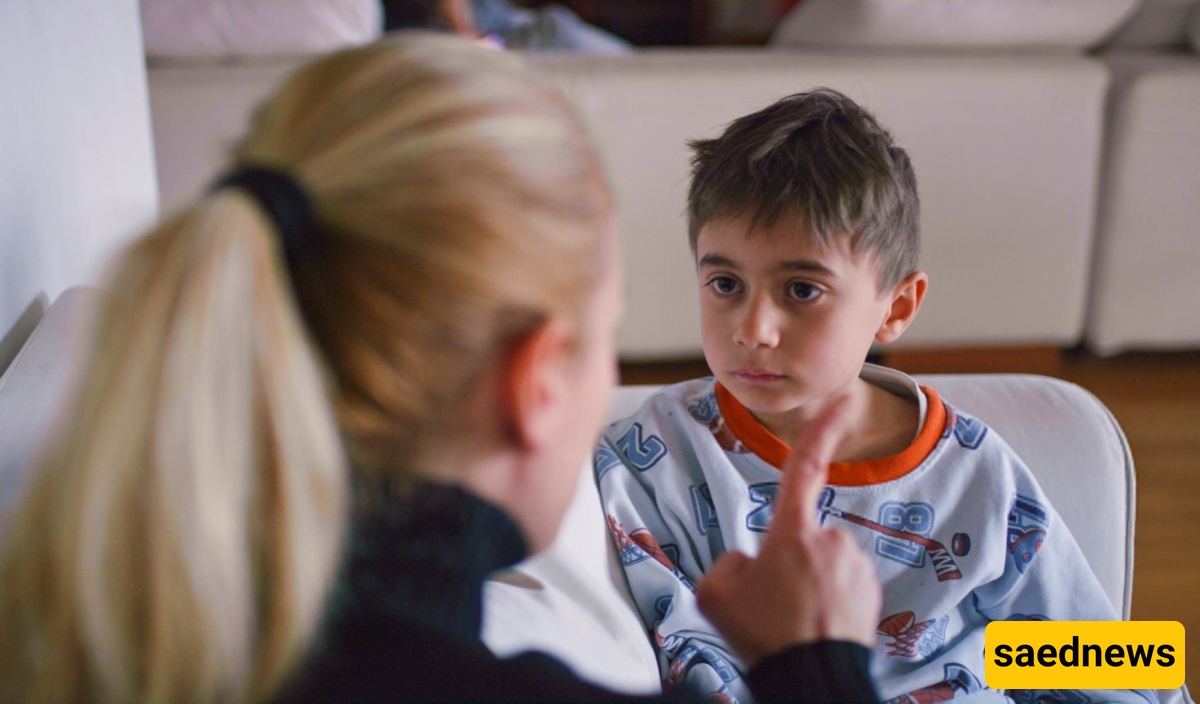
Changing this parenting pattern begins with awareness and a willingness to adopt healthier approaches.
Parents should recognize that comparison is not a reliable substitute for effective parenting.
Pay attention to moments when you compare your child with siblings, classmates, relatives, or other children. Consider what triggers these reactions and whether they reflect your own expectations or insecurities.
Instead of measuring children against others, recognize their personal development.
Praise effort, persistence, problem-solving, and improvement. Help children set realistic goals based on their abilities and interests.
For example, rather than saying, "Your classmate got a better grade," try saying, "You've worked hard, and you've improved since your last test."
Make it clear that your love does not depend on grades, awards, behavior, or achievements.
Children need to know that they are valued as individuals, even when they make mistakes or struggle to meet expectations.
Unconditional acceptance does not mean ignoring inappropriate behavior. It means correcting behavior without attacking a child's identity or worth.
Listen actively when your child expresses frustration, disappointment, or insecurity.
Acknowledge their feelings before offering advice, and encourage open conversations without fear of humiliation or punishment.
Understanding a child's perspective can help build trust and strengthen the parent-child relationship.

Never use family gatherings or social events as opportunities to highlight a child's weaknesses.
If a behavior needs to be addressed, discuss it privately and respectfully. Focus on the behavior itself rather than comparing the child with someone else.
Every child develops at a different pace and has different strengths, interests, and needs.
Avoid imposing identical expectations on siblings or assuming that success in one area determines a child's overall value.
Encouraging each child's individual abilities helps them develop a stronger sense of identity and confidence.
If comparison-based parenting is connected to unresolved childhood experiences, persistent family conflict, or significant emotional difficulties, family counseling or individual therapy may be helpful.
Professional support can help parents understand their behavioral patterns, develop healthier communication skills, and create a more supportive family environment.
Parents who constantly compare their children may unintentionally cause emotional harm. Behaviors such as repeated comparisons, excessive perfectionism, conditional affection, and a lack of empathy can create an environment filled with pressure, insecurity, and anxiety.
By contrast, parents who accept their children unconditionally and focus on individual progress can help foster self-esteem, intrinsic motivation, emotional security, and psychological well-being.
Healthy parenting is not about teaching children to compete with everyone around them. It is about supporting them as they discover their strengths, develop their abilities, and grow into confident individuals.