SAEDNEWS: Box breathing is a breathing technique that involves four equal phases: inhaling, holding your breath, exhaling, and holding your breath again. It may help reduce stress, improve sleep, and enhance concentration.

According to Saednews, In today’s fast-paced and stressful world, many people are looking for simple, quick, and accessible ways to reduce stress and regain focus. One technique that has attracted considerable attention in recent years is box breathing.
Box breathing is a controlled breathing exercise that helps calm the mind and body by creating a regular rhythm between inhaling and exhaling. It is widely used not only by military personnel and professional athletes but also by individuals seeking effective ways to manage anxiety, improve sleep, and enhance concentration.
In this article, we explore what box breathing is, how to practice it, its potential benefits, and what scientific evidence says about its effectiveness.
Box breathing, also known as square breathing or four-square breathing, is a breathing technique that involves four equal and distinct stages performed in sequence.
These four stages are:
Inhaling
Holding the breath
Exhaling
Holding the breath again
The most common pattern is 4-4-4-4, which means inhaling for four seconds, holding for four seconds, exhaling for four seconds, and holding again for four seconds.
Visualizing a square, with each side representing one stage of the exercise, can help maintain a steady breathing rhythm. This is why the technique is called box breathing.

Box breathing has roots in ancient yoga and meditation practices. In yoga, a similar technique called Sama Vritti Pranayama involves breathing in and out for equal durations.
However, the modern practice and name of box breathing became particularly popular in military training, especially among elite units such as the United States Navy SEALs. These personnel use the technique to remain calm, regulate their heart rate, and maintain focus in high-pressure situations.
Today, box breathing is also used in psychology, sports, performing arts, and stress-management programs.
The effectiveness of box breathing can be explained from both physiological and psychological perspectives.
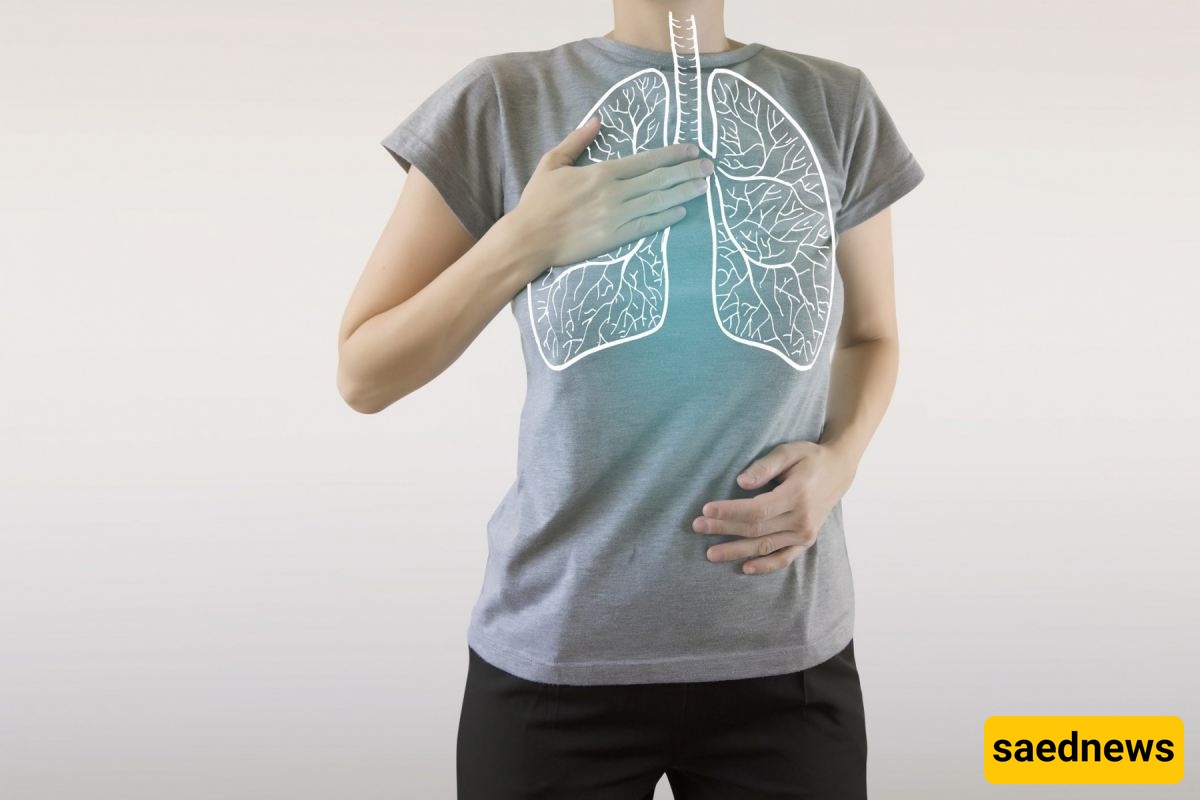
Slow, controlled breathing can help activate the parasympathetic nervous system, which is associated with the body's “rest and digest” response. This system counterbalances the sympathetic nervous system, which is responsible for the “fight or flight” response.
When breathing becomes slower and more controlled, it may influence vagal activity, help regulate heart rate, and support the body's relaxation response. Slow breathing can also affect blood pressure and stress-related physiological processes.
Additionally, controlled breathing may improve heart rate variability (HRV), a measure of the variation in time between heartbeats that is often used as an indicator of autonomic nervous system regulation.
Counting the seconds and concentrating on the four stages of breathing can redirect attention away from anxious thoughts and repetitive thinking.
This process acts as a mental anchor, helping individuals focus on the present moment rather than becoming overwhelmed by worries. For this reason, box breathing is sometimes considered a mindfulness-based practice.
Box breathing may offer several benefits for physical and mental well-being. The most commonly discussed benefits include the following.
One of the best-known uses of box breathing is stress and anxiety management. By encouraging a slower, more controlled breathing pattern, the technique may help the body move away from a heightened state of alertness and promote a sense of calm.
It may be particularly useful before stressful situations, such as job interviews, examinations, or public speaking.

Box breathing requires attention to counting and breathing, which may help reduce distractions and improve concentration.
After several cycles, some people report feeling more mentally clear and better able to focus on their tasks.
Slow breathing can influence heart rate and cardiovascular regulation. It may also help support healthy blood pressure levels in some individuals.
However, box breathing should not be considered a substitute for medical treatment for high blood pressure or other cardiovascular conditions.
People who experience anxiety or intrusive thoughts before bedtime may find box breathing helpful as part of a relaxing nighttime routine.
The exercise can encourage physical and mental relaxation, potentially making it easier to settle down before sleep.
Athletes, musicians, actors, and professionals working in demanding environments may use box breathing to manage stress and maintain concentration.
By providing a structured way to regulate breathing and attention, the technique may help people feel more composed before or during challenging situations.
When feelings of anger, excitement, or frustration become intense, box breathing may provide a brief pause before reacting.
Taking a few controlled breathing cycles can help some people regain composure and respond more thoughtfully rather than impulsively.

Box breathing is simple to learn and requires no special equipment. Follow these steps to get started.
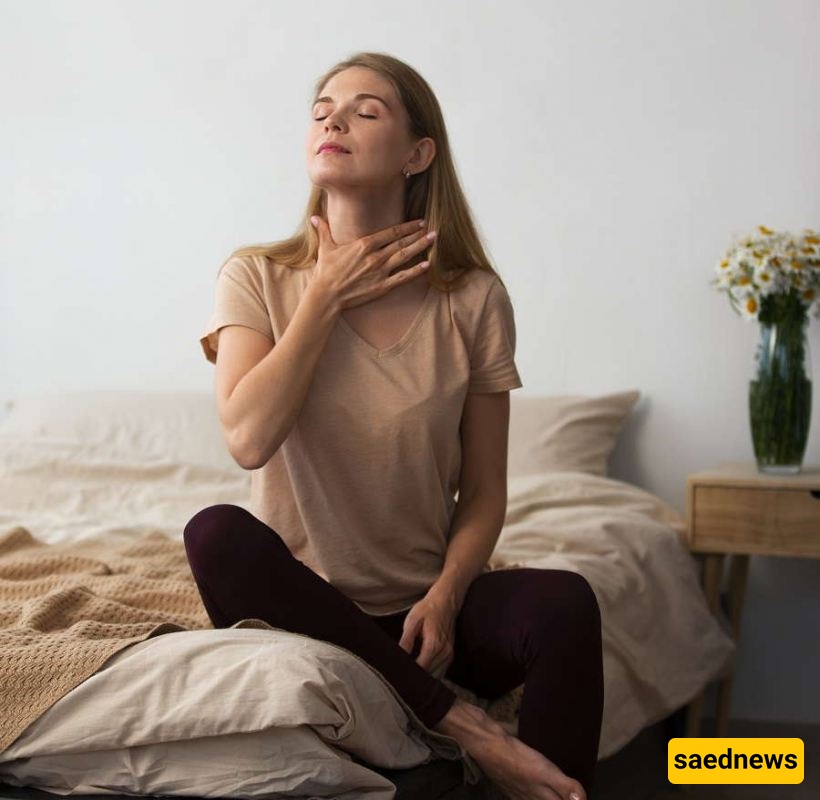
Get comfortable: Sit in a quiet place, keep your back comfortably straight, and relax your shoulders.
Exhale gently: Breathe out slowly to release the air from your lungs without forcing it.
Inhale for four seconds: Breathe in gently through your nose.
Hold for four seconds: Pause and hold your breath comfortably.
Exhale for four seconds: Slowly breathe out through your nose or mouth.
Hold again for four seconds: Pause after exhaling, without straining.
Repeat the cycle: Complete four or five cycles, or continue for as long as feels comfortable.
As you become more familiar with the technique, you can gradually adjust the duration or number of cycles, provided the exercise remains comfortable.
Maintain a comfortable posture: You can sit or lie down. If sitting, keep your back supported, relax your shoulders, and place your feet flat on the floor if possible.
Breathe with your diaphragm: Try to let your abdomen expand gently as you inhale instead of relying only on your chest.
Avoid forcing your breath: If holding your breath feels uncomfortable, shorten the intervals or return to normal breathing. The goal is relaxation, not strain.
Focus on counting: Count silently from one to four during each stage, or imagine tracing the four sides of a square.
Choose a calm environment: Beginners may find it easier to concentrate in a quiet place with minimal distractions.
Practice consistently: Five to ten minutes a day may be a reasonable starting point. You can incorporate the exercise into your morning routine or practice it before bedtime.
If you are new to box breathing, you do not need to begin with four-second intervals.
You can start with a shorter pattern, such as 2-2-2-2 or 3-3-3-3, and gradually increase the duration as you become more comfortable.
The most important factor is maintaining a gentle, steady rhythm without feeling breathless or uncomfortable.

Several related breathing exercises may also help promote relaxation.
This method involves inhaling for four seconds, holding the breath for seven seconds, and exhaling for eight seconds. Some people use it as part of a relaxation routine before sleep.
However, the longer breath-holding interval may not be comfortable for everyone.
Triangle breathing involves three stages: inhaling, holding the breath, and exhaling, usually for equal durations.
Because it has fewer stages than box breathing, it may be a simpler starting point for beginners.
In this technique, the exhalation lasts longer than the inhalation. For example, you might inhale for four seconds, pause comfortably for four seconds, and exhale for six seconds.
A longer, gentle exhalation may help support relaxation and parasympathetic activity.
Research suggests that controlled breathing exercises may help reduce perceived stress and anxiety, support mood regulation, influence heart rate, and improve certain measures of heart rate variability.
However, it is important to distinguish evidence for slow breathing techniques in general from evidence specifically examining box breathing. Although the broader research on controlled breathing is promising, more high-quality studies are needed to establish the specific benefits of box breathing and determine how effective it is for different individuals and conditions.
Box breathing is not a proven cure for mental health disorders or physical illnesses. It is best viewed as a complementary self-management technique that may be used alongside appropriate medical care and healthy lifestyle habits.
People experiencing severe anxiety, depression, or cardiovascular or respiratory conditions should consult a healthcare professional before attempting exercises that involve breath-holding.
Although box breathing is generally accessible to many people, breath-holding may not be suitable for everyone.
Consider your health conditions: If you are pregnant or have heart disease, high blood pressure, epilepsy, severe respiratory conditions such as asthma, or panic disorder, consult a healthcare professional before practicing prolonged breath-holding.
Stop if you feel unwell: If you experience dizziness, shortness of breath, palpitations, or significant discomfort, stop the exercise and return to natural breathing.
Avoid practicing while driving: Do not perform box breathing while driving or during activities that require uninterrupted attention and alertness.
Never force the intervals: The timing should feel manageable. Shorter intervals or ordinary relaxed breathing may be more appropriate if breath-holding causes discomfort.
Box breathing can be incorporated into daily life in several ways.
Before bedtime: To help settle the mind and body.
Before an examination or interview: To manage nervousness and prepare for a task.
During the workday: To take a short mental break between demanding activities.
Before a performance or competition: To support composure and concentration.
During stressful moments: To create a pause before responding to a difficult situation.
When feeling angry or overwhelmed: To redirect attention toward breathing and allow time to regain emotional balance.
Box breathing is a simple, accessible breathing technique that uses a regular rhythm to support relaxation and concentration. By combining inhalation, breath-holding, exhalation, and another brief pause, it gives people a structured way to focus their attention and manage everyday stress.
For many people, it can become a useful part of a daily wellness routine. However, its effects vary from person to person, and the scientific evidence specific to box breathing is still developing.
If you are looking for a practical way to pause, refocus, and relax, box breathing may be worth trying. Start with short, comfortable intervals, practice consistently, and adjust the technique to suit your needs.